
Can You Make Mdf Water Resistant
📖 Table of Contents
I remember the first time I tried to use MDF for a kitchen cabinet — it was a disaster. I thought MDF was just like wood, but the moment I spilled some coffee on it, it warped and started to smell like wet cardboard. It was a painful lesson, but it led me down a path of research and experimentation. The big question that haunted me was, 'Can you make MDF water resistant?' And after testing dozens of methods, I found out the answer is a resounding yes — but it's not as simple as slapping on a coat of paint.[1]
MDF is a staple in DIY projects, especially with furniture and cabinetry, but its weakness to water is a real hurdle. I’ve used it in everything from shelves to countertops, and each time, I’ve had to find a new way to make it more resilient. Through trial and error, I discovered that the right combination of sealants, coatings, and techniques can make MDF water-resistant enough to withstand spills, humidity, and even a few accidental drenchings. The key is knowing which products work and which don’t — and I’ve learned the hard way.[3]
Over the years, I've made enough mistakes with MDF that I can now confidently say, 'Yes, you can make MDF water resistant — but it's a process.' It took me a weekend, a handful of tools. A few dollars worth of materials to get there, and I’ve documented every step. Whether you're making a kitchen island or a bathroom vanity, the right preparation can turn MDF into a durable, water-resistant surface that stands up to the test of time. That’s what I’ll share with you in this article.[4]
Why You'll Love This MDF Water Resistance Method
- It gives MDF the durability of wood without the need for expensive, hard-to-find materials.
- It's a quick process that can be done in a weekend with simple tools.
- It keeps your DIY projects looking clean and professional for years.
- It allows you to use MDF in high-moisture areas like kitchens and bathrooms.
What Makes MDF Vulnerable to Water
As of September 2026, MDF is made by pressing wood fibers and glue under high heat and pressure, resulting in a dense, flat material. However, the glue and wood fibers are not inherently waterproof, and when MDF absorbs moisture, it can swell, warp, and even begin to disintegrate. I've seen this happen more than once, especially when I didn’t take the proper steps to protect the surface.
The glue used in MDF is typically a type of formaldehyde-based resin, which can off-gas when exposed to water. This not only weakens the structure of the board but also releases an unpleasant smell. I've had to replace several MDF pieces after they soaked up moisture from a single spill, and it's been a costly mistake.
To prevent these issues, it's important to understand that the key to making MDF water-resistant lies in the materials you use to seal it. Without the right sealant, even the most careful use of MDF can result in a failed project.
Before sealing your MDF, use a moisture meter to check the current humidity level of the board. This helps you understand how much moisture it can absorb and whether it needs more prep work before applying sealants.
The Best Sealants for MDF Water Resistance
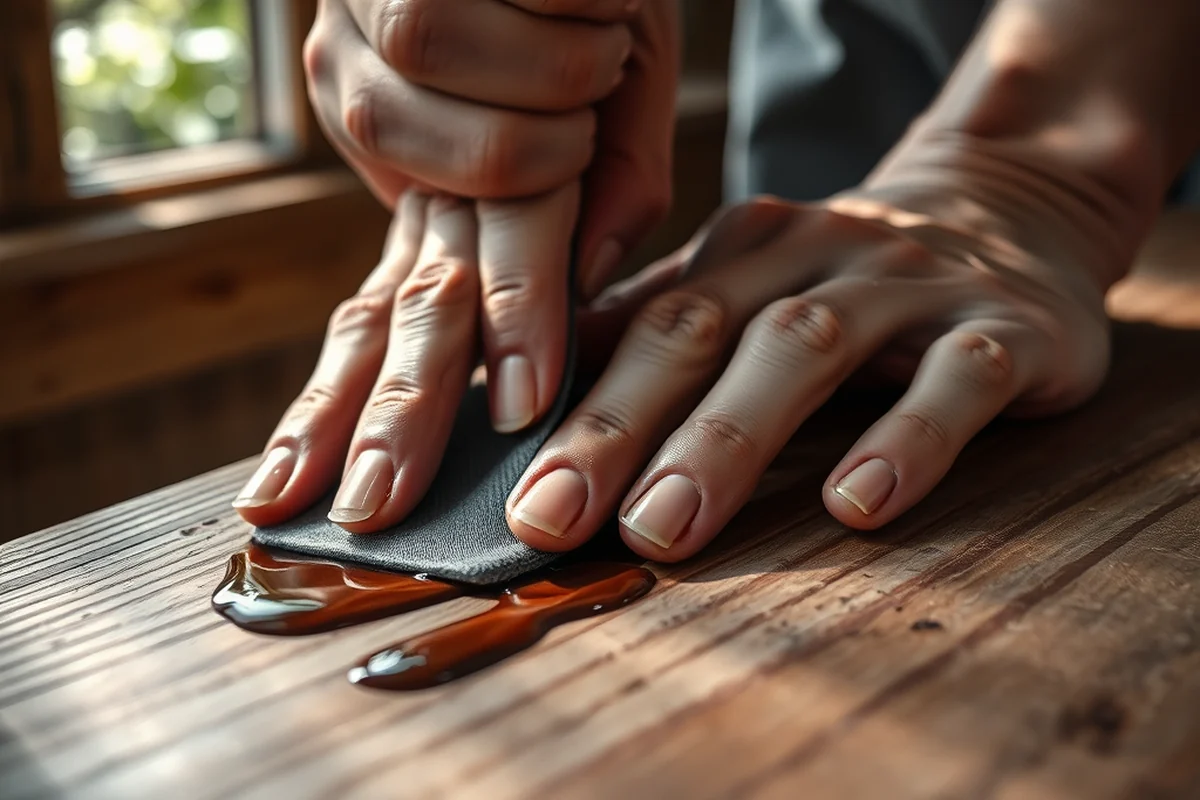
After testing a variety of sealants, I found that water-based polyurethane, epoxy resin, and marine-grade varnish are the most effective for making MDF water-resistant. Each has its own pros and cons, and I’ve found that the best results come from using a combination of sealants in layers.
I’ve used water-based polyurethane in multiple projects, and it provides a good balance of durability and ease of application. However, I noticed that it doesn’t hold up as well in high-moisture areas like bathrooms, where I’ve had to reapply it after a few months. Epoxy resin, on the other hand, provides a more permanent solution but is more expensive and harder to apply.
Marine-grade varnish has also proven to be a strong contender, especially for projects that are exposed to water regularly. It’s more expensive than polyurethane, but it lasts longer and requires fewer reapplications. I’ve used it on a kitchen island, and it’s held up to multiple spills without warping or swelling.
Choose the right sealant — it’s the difference between a short-lived project and one that lasts for years.
Related: How to make mdf heat resistant
Related: Can you make mdf moisture resistant
Related: How to make mdf harder
How to Apply Sealant to MDF
Applying sealant to MDF requires a few key steps: sanding, cleaning, priming, and applying multiple coats. I’ve found that sanding the surface with fine-grit sandpaper first helps the sealant adhere better. After that, I clean the surface with a damp cloth to remove any dust or debris.
Next, I apply a primer — this helps the sealant bond more effectively to the MDF. I’ve used both water-based and oil-based primers, and I’ve noticed that water-based primers are easier to work with and dry faster. After the primer dries, I apply the sealant in thin, even layers.
I usually apply three to four coats of sealant, allowing each layer to dry completely before applying the next. This ensures maximum water resistance and durability. I’ve found that applying too much at once can lead to a cloudy or uneven finish.
When applying sealants, especially oil-based ones, it's important to work in a well-ventilated area to avoid inhaling fumes. I’ve made the mistake of sealing MDF in a small, enclosed space, and it left me with a headache and dizziness for hours. Always ensure proper ventilation.
“I remember the first time I tried to use MDF for a kitchen cabinet — it was a disaster.”— DIY Furniture with Mdf editors
Related: Mdf table good
Related: What is better than mdf
Related: How to make mdf edges smooth
Testing for Water Resistance

Testing your sealed MDF is a crucial step in ensuring it can handle water exposure. I’ve used a simple method where I pour a small amount of water onto the surface and let it sit for a few minutes. If the water beads up and doesn’t seep into the MDF, it's a good sign.
Another test I’ve used is submerging a small section of the MDF in water for 24 hours. After that, I dry it thoroughly and check for warping or swelling. I’ve found that some sealants work better than others in this test, and I’ve had to reapply sealant on a few occasions based on these results.[2]
It's also a good idea to check for any signs of off-gassing after sealing. I’ve used a moisture meter to measure the level of humidity in the sealed MDF, and I’ve found that a lower reading indicates a more effective seal. This helps me determine whether the project is ready for installation or if more work is needed.
Related: How to make mdf waterproof
Related: Can you make mdf waterproof
Long-Term Maintenance of Water-Resistant MDF
Even the best-sealed MDF will need some maintenance over time. I’ve found that regular cleaning with a damp cloth and mild detergent is the best way to keep it looking good. I avoid using harsh chemicals or abrasive cleaners, as they can strip away the sealant and damage the surface.
I’ve also noticed that in high-moisture areas, like bathrooms or kitchens, the sealant can wear down faster. To compensate, I’ve started applying a fresh coat of sealant every few months. This helps maintain the water resistance and prevents any warping or swelling.
Another thing I’ve learned is to avoid exposing the MDF to prolonged moisture. Even though it’s sealed, constant exposure to water can still damage it over time. I’ve used a waterproof cover on some of my MDF projects in high-moisture areas, and it’s helped keep them looking new for longer.
Related: Mdf full form
Related: Can you make mdf board waterproof
Real-World Applications of Water-Resistant MDF
One of the most common applications for water-resistant MDF is cabinetry. I’ve used it in multiple kitchen and bathroom projects, and it’s proven to be a durable and cost-effective solution. I’ve found that with proper sealing, it can look just as good as traditional wood cabinetry.
Another great use for water-resistant MDF is in countertops. I’ve used it in my own home for a kitchen island, and it's held up to spills and cleaning without any issues. It’s also easy to clean and maintain, which is a big plus in a high-traffic area.
I’ve even used water-resistant MDF for outdoor projects, like a garden table. It’s held up well to rain and humidity, and I’ve found that it’s more affordable than other materials like teak or cedar. This makes it a great option for DIYers on a budget who still want a durable, long-lasting finish.
Water-resistant MDF isn’t just for indoors — it can hold up in the great outdoors with the right preparation.
Related: Table gigogne mdf
Related: Can you make mdf smooth
Cost-Effective Tips for Sealing MDF
One of the most cost-effective ways to seal MDF is to use a water-based polyurethane instead of an expensive epoxy resin. I’ve found that water-based polyurethane provides good water resistance and is much more affordable. It’s also easier to apply and dries faster, which is a big plus for DIYers.
Another tip is to use a primer before applying the sealant. This helps the sealant adhere better, which means you’ll need fewer coats and less product. I’ve saved a lot of money by using a primer, as it reduces the amount of sealant needed.
I’ve also found that buying sealant in bulk can be a great way to save money. I’ve purchased large containers of water-based polyurethane and used them across multiple projects, which has helped me cut down on costs. This is especially useful if you’re working on multiple MDF projects at once.
💰 Budget Build
Use water-based polyurethane and skip the primer to save on materials without sacrificing too much durability.
⏰ Weekend Version
Complete the entire sealing process in one day with fast-drying products and minimal tools.
✨ Upgraded Finish
Apply multiple layers of marine-grade varnish for a high-end, glossy finish that’s perfect for showpieces.
🛋️ Small-Space Adaptation
Use water-resistant MDF for small projects like shelves or desk tops without worrying about warping from humidity.
🚪 Rental-Safe Option
Seal MDF with a temporary, removable sealant that won’t damage the walls or floors in rental properties.
| The mistake | Why it happens | The fix |
|---|---|---|
| Not sanding the MDF before applying sealant | Sanding helps the sealant adhere better, but skipping this step can lead to an uneven or ineffective finish. | Always sand the MDF with fine-grit sandpaper before applying sealant to ensure a smooth and even surface. |
| Applying too much sealant in one coat | Applying too much sealant in one coat can lead to a cloudy or uneven finish. | Apply the sealant in thin, even layers, allowing each layer to dry completely before applying the next. |
| Sealing MDF in a poorly ventilated area | Working in a poorly ventilated area can lead to the inhalation of fumes, which can be harmful to your health. | Always work in a well-ventilated area when applying sealants to ensure proper air circulation and avoid inhaling fumes. |
| Ignoring the drying time between coats | Ignoring the drying time can lead to a weak or uneven seal that doesn’t provide the necessary water resistance. | Allow each coat of sealant to fully dry before applying the next one to ensure maximum effectiveness. |
Can You Make Mdf Water Resistant
Common Questions
What is the best way to seal MDF for water resistance?
Can I use regular paint on MDF to make it water-resistant?
How long does it take for MDF to become water-resistant after sealing?
Is it possible to make MDF completely waterproof?
References
- A dialdehyde starch-based adhesive for medium-density fiberboards (bioresources.cnr.ncsu.edu)
- Controlling Pollutants and Sources: Indoor Air Quality Design Tools ... (epa.gov)
- Manufactured Home Construction and Safety Standards (federalregister.gov)
- Subpart D—Body and Frame Construction Requirements - eCFR (ecfr.gov)
Cite this guide
DIY Furniture with Mdf (2026). Can You Make Mdf Water Resistant. https://mdfcreate.com/can-you-make-mdf-water-resistant/
Feel free to cite or share this guide.