
How To Make Diy Keychains At Home
📖 Table of Contents
I remember the first time I made a DIY keychain at home — it was during a rainy afternoon while I was waiting for a friend. I had a box of leftover materials from a previous project, and I thought, why not try something quick and fun? That simple keychain became a keepsake, and it opened my eyes to how much creativity can live in small, everyday projects. Now, I can't help but make one every few weeks, whether I need a new accessory or just want to try out a new technique.[1]
DIY keychains are more than just cute little gadgets; they're a way to personalize your belongings and express your personality. I've made keychains from wood, leather, metal, and even repurposed old jewelry, and each one has a unique story. The best part is that they’re incredibly easy to make, even if you're just starting out. With the right tools and a bit of patience, you can create something that's both functional and meaningful.
This guide is for anyone looking to make their own DIY keychains at home — from beginners to seasoned crafters. I've tested dozens of methods and materials, and I'm here to share what works. Whether you're looking for a quick project to kill an hour or a way to make a gift for someone special, this article has you covered. You'll find step-by-step instructions, materials lists, and tips to make your keychain stand out.
Why You'll Love This DIY Project
- It's a fun and creative way to spend an afternoon with minimal effort.
- You can customize your keychain to match your style or make a unique gift.
- You'll use up leftover materials and reduce waste in your home.
- It's a great way to practice basic crafting techniques that can be applied to bigger projects.
Choosing the Right Materials
As of September 2026, for a budget-friendly option, wood is a great choice. It's easy to work with, and you can find small pieces at most hardware stores. I once used leftover scrap wood from a table project, which made the keychain feel like a natural extension of the larger piece.
Leather is another popular option because it's long-lasting and has a luxurious feel. However, it can be a bit more expensive and requires some specific tools like a hole punch and sewing needles. I’ve found that using pre-punched leather keychain blanks can save time and make the project more accessible for beginners.
Metal keychains are also an option, especially if you're making something for a friend or as a gift. They’re sturdy and can be engraved, which adds a personal touch. However, working with metal can be more challenging if you're new to crafting, so I recommend starting with something simpler.[2]
For a keychain that will last, go with leather or metal. For something quick and personal, wood or fabric works well. I always check for durability before finalizing my choice.
Cutting and Shaping Your Material
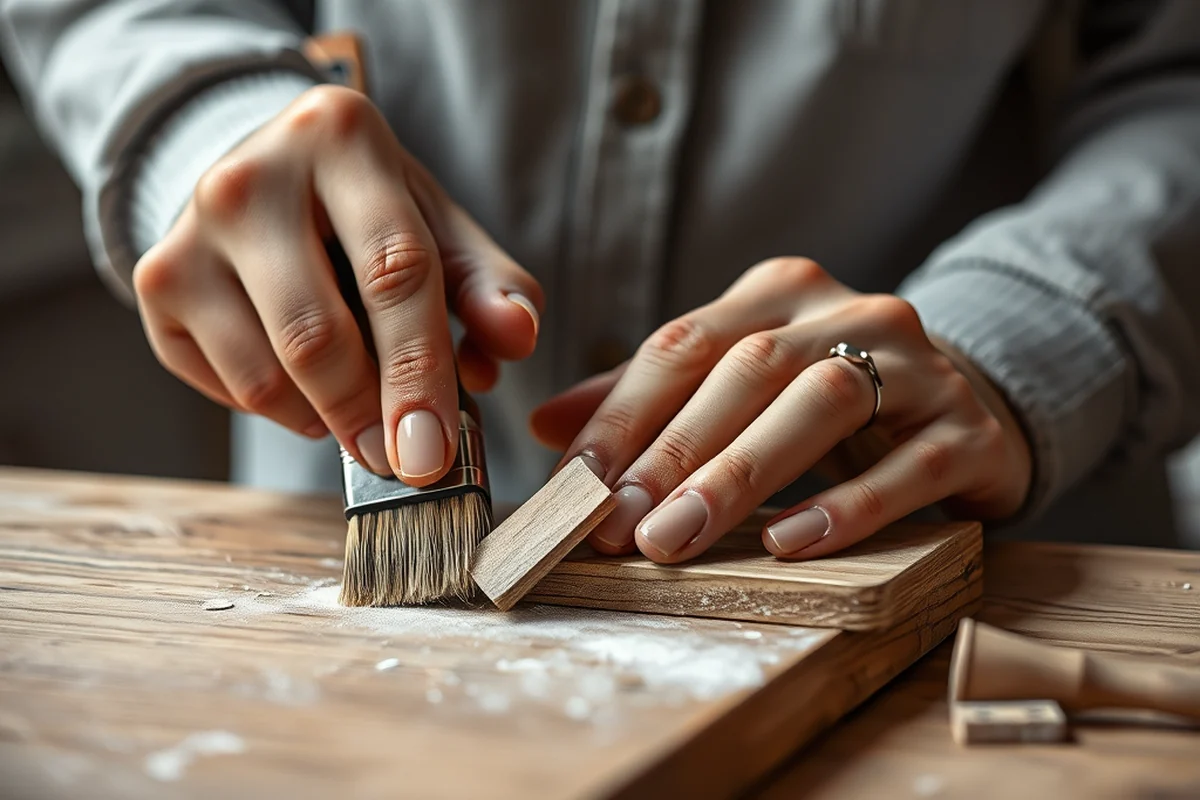
If you're using wood, a small handsaw or a jigsaw works well. I’ve found that using a ruler and a pencil to mark the cuts helps ensure precision. For curved shapes, a coping saw is a great tool. I once made a custom-shaped keychain with a heart design, and the coping saw made the job much easier.
When working with leather, a utility knife and a cutting mat are essential. I always use a ruler to guide my cuts and avoid mistakes. I’ve made mistakes before by not using a ruler, and it resulted in uneven edges that needed extra work to fix.
For metal keychains, a metal cutting tool or a nibbler is necessary. I recommend using protective gloves to avoid cuts. I once used a nibbler to create a small metal keychain, and it worked well for making precise cuts.
Precision is key — even the smallest mistake can affect the final look of your keychain.
Related: Easy diy things to make and sell
Related: Diy alkansya design easy with paper
Related: How to make diy toys at home for kids
Related: How to make dog house at home easy diy
Related: How to make diy squishies at home with balloons
Related: How to make diy squishies at home with paper
Adding Personalization and Detail
Engraving is a popular method, especially with metal and wood. I’ve used a Dremel tool with an engraving bit to add names or initials to my keychains. It’s a quick and effective way to add a personal touch. I once engraved a keychain with my daughter's name, and it became a favorite among her friends.
Painting is another option, especially if you’re working with wood or fabric. I’ve used acrylic paints and wood markers to add color and patterns. For a more professional look, I recommend using a fine brush and painting in small sections. I once painted a small wooden keychain with a sunflower pattern, and it turned out beautifully.
Stitching is a great option for leather keychains. I’ve used a needle and thread to sew patterns directly onto the leather. I’ve also used a sewing machine for more intricate designs. I once sewed a simple heart design onto a leather keychain, and it gave it a unique, handmade feel.
Even a small engraving or a simple painted design can transform a plain keychain into something special. I always take time to personalize each one I make.
“I remember the first time I made a DIY keychain at home — it was during a rainy afternoon while I was waiting for a…”— DIY Furniture with Mdf editors
Related: Easy diy at home
Related: How to make diy at home
Related: How to make diy fidgets at home easy
Drilling and Attaching the Key Ring
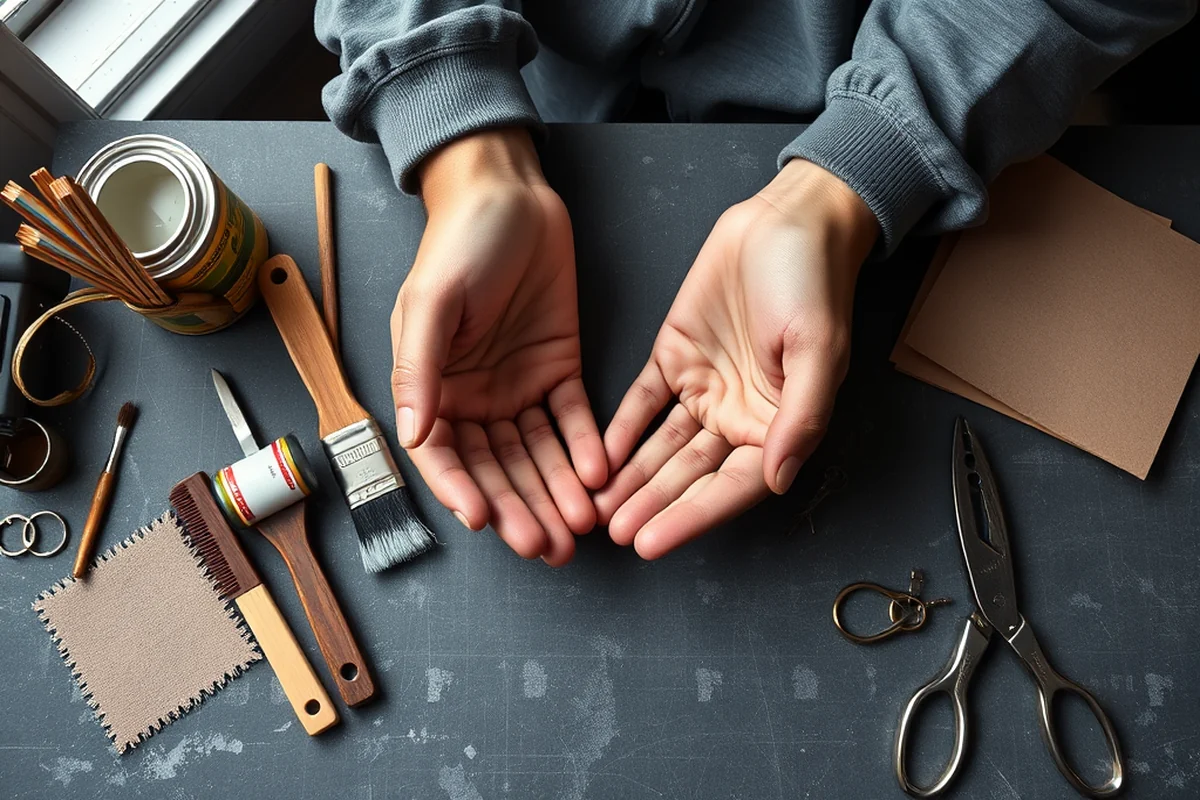
For wood, a small drill bit and a hand drill work well. I always start with a small pilot hole to avoid cracking the wood. I’ve made mistakes before by drilling too quickly, which caused the wood to splinter.
When working with leather, a hole punch is a great option. I’ve used a leather hole punch to create clean, even holes without any damage. I’ve also used a Dremel tool with a hole-making attachment, which gives more control.
For metal, a metal drill bit is necessary. I’ve used a bench drill to create precise holes. I always make sure to hold the metal securely to avoid any accidents.
Related: How to diy at home
Finishing and Polishing Your Keychain
For wood, sanding with fine-grit sandpaper helps smooth out any rough edges. I always start with a coarser grit and finish with a finer one for a polished look. I’ve also used wood polish to add a shine and protect the keychain from wear.
Leather keychains can be finished with a leather conditioner or a dye. I’ve used both to enhance the color and make the leather more supple. I always apply the conditioner in a thin, even layer and let it dry completely.
Metal keychains can be polished with a metal polish or a buffing wheel. I’ve used a polishing cloth to give the metal a high shine. I’ve also used a small brush to apply the polish in small sections.
Related: Diy ideas easy
Testing and Troubleshooting
I always test the key ring to make sure it moves smoothly and isn’t too tight or loose. If the key ring is too tight, it can cause the keychain to break over time. I’ve had a few keychains where the key ring was too tight, and they eventually snapped under stress.
I also test the strength of the material. For example, I once made a wooden keychain that broke after a few weeks because the wood wasn't strong enough. I now use a harder type of wood for my keychains.
Finally, I test the finish to make sure it holds up over time. I’ve noticed that some finishes wear off quickly, especially if the keychain is used frequently. I now use a more durable finish for my keychains.
Testing your keychain before using it is essential — it can help you avoid future problems.
Related: How to do diy at home
Storing and Displaying Your Keychain
For storage, I always keep my keychains in a small box or a drawer to protect them from dust and damage. I’ve found that storing them in a clear container with dividers helps organize my collection.
For display, I’ve hung some of my keychains on a small board or a piece of wood using small nails or hooks. It's a great way to showcase my work and keep them visible.
I’ve also used keychain organizers to keep my collection together. They’re a great way to keep things organized and easy to find. I’ve found that using a hanging organizer on a wall is a space-saving solution.
💰 Budget Build
Use affordable materials like scrap wood or fabric to create a keychain without spending much.
⏰ Weekend Version
A quick and easy keychain you can make in an afternoon with minimal tools and materials.
✨ Upgraded Finish
Add a professional touch with high-quality finishes like wood polish or leather conditioner.
🏠 Small-Space Adaptation
Make your keychain in a small space using compact tools and a mini workbench.
🔒 Rental-Safe Option
Create a keychain that won’t damage rental furniture or require permanent modifications.
| The mistake | Why it happens | The fix |
|---|---|---|
| Drilling a hole that’s too small or too large. | A hole that’s too small can make the key ring difficult to insert, while a hole that’s too large can damage the keychain over time. | Use a ruler to measure the hole carefully before drilling. I always start with a small pilot hole and adjust the size as needed. |
| Not testing the key ring’s movement. | A key ring that’s too tight or too loose can cause the keychain to break or not function properly. | Test the key ring before finishing the keychain. Make sure it moves smoothly and isn’t too tight or too loose. |
| Using low-quality materials. | Low-quality materials, like thin wood or cheap leather, may not last long and can break easily with regular use. | Always choose durable materials, even if they cost a bit more. I’ve found that investing in quality materials pays off in the long run. |
| Forgetting to sand or polish the keychain. | Not sanding or polishing can leave rough edges or a dull finish, making the keychain less appealing and more prone to damage. | Always sand and polish the keychain before finishing. I use fine-grit sandpaper and a polishing cloth to ensure a smooth, shiny finish. |
How To Make Diy Keychains At Home
Common Questions
What tools do I need to make a DIY keychain?
How long does it take to make a keychain?
Can I make a keychain without any special tools?
What’s the best material for a durable keychain?
References
- 6-20-2016 = 4,566 LTBB NATURAL (ltbbodawa-nsn.gov)
- range a innovative school-to-work approaches found in the United (files.eric.ed.gov)
Cite this guide
DIY Furniture with Mdf (2026). How To Make Diy Keychains At Home. https://mdfcreate.com/how-to-make-diy-keychains-at-home/
Feel free to cite or share this guide.