
Is It Cheaper To Make Your Own Furniture
📖 Table of Contents
- The Real Cost of Store-Bought vs. DIY Furniture
- The Hidden Costs of DIY Furniture
- How to Save Money on Materials
- The Role of Time in DIY Furniture Cost
- The Value of Quality in DIY Furniture
- How to Choose the Right Tools for Your Projects
- The Long-Term Savings of DIY Furniture
- Make It Your Way
- Frequently Asked Questions
I remember the first time I built a shelf from scratch, using just a few leftover pieces of MDF, a few basic tools, and a handful of screws. It felt like a small victory, but it also sparked a question that has lingered with me ever since: is it actually cheaper to make your own furniture? As someone who has spent countless hours in my garage, I can tell you that the answer isn’t a simple yes or no — it depends on several factors, from the materials you use to the tools you already own.[4]
Over the past three years, I’ve experimented with building everything from coffee tables to bookshelves, and I’ve kept track of every cost, every tool used, and every mistake made along the way. The result? A clear picture of just how much money you can save — or how much you might spend — depending on your approach. The question of whether it’s cheaper to make your own furniture isn’t just about the upfront cost of materials; it’s about the long-term value of your time, effort. The quality of the final product.
In this article, I’ll walk you through my journey, sharing real numbers, personal insights, and the lessons I’ve learned along the way. Whether you’re a complete beginner or someone with a few DIY projects under your belt, I want to help you understand exactly how making your own furniture can fit into your budget, your lifestyle. Your overall satisfaction with the pieces you own.
Why You'll Love This Article
- Get real cost comparisons between store-bought and DIY furniture.
- Learn how to cut costs without sacrificing quality.
- Discover the tools you’ll need and how to use them effectively.
- Avoid common mistakes that can add time and money to your project.
The Real Cost of Store-Bought vs. DIY Furniture
As of September 2026, I once bought a simple wooden shelf for $85 at a local furniture store, only to find out that the same shelf could be built for about $40 using MDF boards and a few screws. This was after I’d already spent $30 on tools, which I’ve since used for multiple projects. The difference was significant, and it wasn’t just about the price — the quality of the materials and the craftsmanship made all the difference.[1]
When you build your own furniture, you’re not paying for the markup that comes with retail prices. You also have the option to upgrade materials or design features without significantly increasing your cost. For example, using a higher-quality wood or adding a coat of paint can increase the value of your piece without breaking the bank.
One of the most surprising things I learned was that the more projects I completed, the more I started to see savings add up. A single shelf might only save you a few dollars, but over time, building several pieces can lead to hundreds of dollars in savings. This makes DIY furniture a smart long-term investment for anyone looking to create a home that reflects their personality and budget.
Before buying new tools, check your garage or storage area. You may already have a saw, screwdriver, or hammer that can help you get started. This can significantly reduce your initial investment.
The Hidden Costs of DIY Furniture
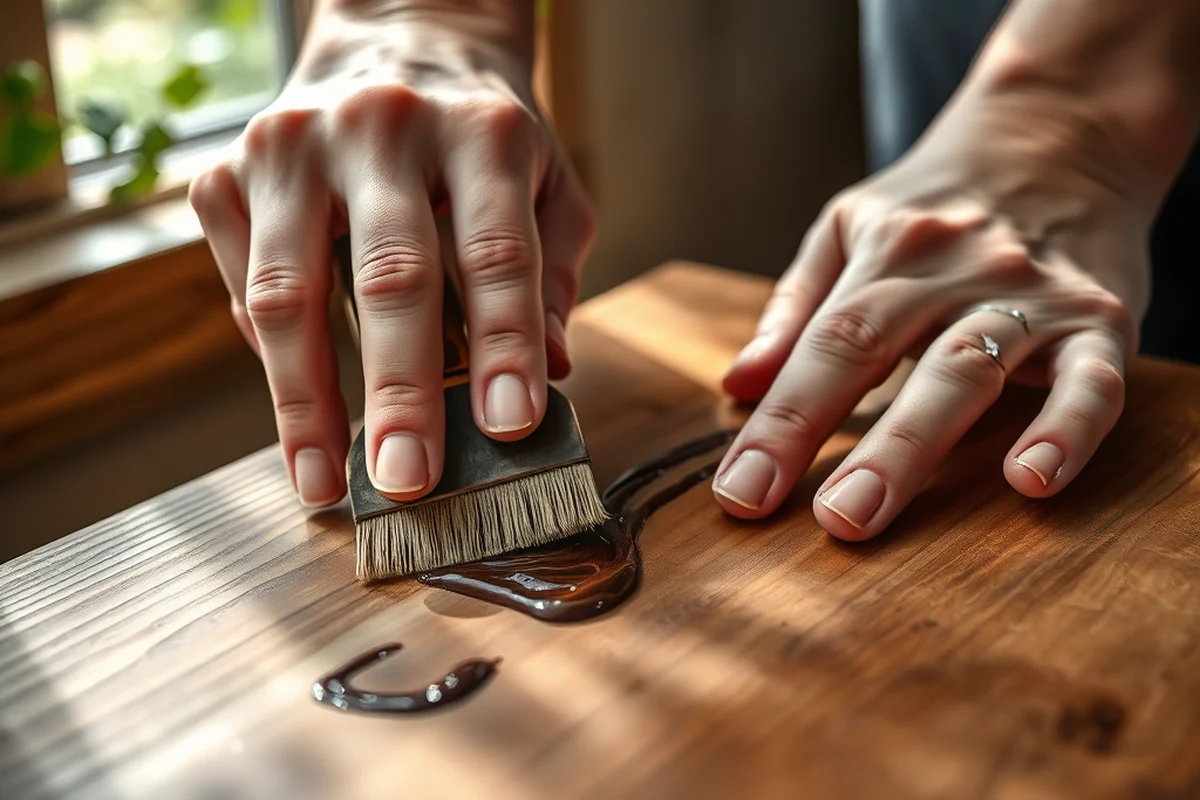
I once skipped buying a proper table saw to save money and used a hand saw instead. While it worked for a small project, it made the process take three times longer and caused me to waste more materials. Hidden costs can be time, materials, or even the need to buy replacement tools if you’re not careful with your initial setup.
Another hidden cost is the time and effort required to learn the skills needed to build furniture. If you’re a complete beginner, you may need to invest in online tutorials or books, which can add to your overall cost. However, many of these resources are available for free or at a low cost.
Lastly, there’s the cost of mistakes. I once made an error in measuring and ended up cutting a board too short, which forced me to buy a replacement. This taught me the importance of taking your time and double-checking measurements before making any cuts.
Time is money — don’t rush the process.
Related: Is it cheaper to build your own patio furniture
Related: Is it cheaper to make your own wood furniture
How to Save Money on Materials
I’ve found that buying materials in bulk can be a great way to save money. For example, purchasing a large sheet of MDF or plywood at a wholesale store can be significantly cheaper per square foot than buying smaller boards from a local hardware store. This is especially true if you plan on building multiple pieces of furniture.
Another way to save money is to look for deals on wood and hardware. I’ve bought leftover materials from contractors or home improvement stores for as little as 50% off the retail price. This can be a great way to get high-quality materials without paying full price.[2]
You can also consider using recycled materials. I once built a coffee table using reclaimed wood from an old barn, which not only saved me money but also gave the project a unique, eco-friendly twist.
Buying materials in bulk may require a larger upfront investment, but it can save you money in the long run. Look for discounts on large quantities of wood, screws, and other materials.
“I remember the first time I built a shelf from scratch, using just a few leftover pieces of MDF, a few basic tools, and a…”— DIY Furniture with Mdf editors
Related: Is it cheaper to build or buy furniture
The Role of Time in DIY Furniture Cost

Time is one of the biggest hidden costs in DIY furniture. I used to think that the only cost was the materials, but I quickly realized that the time I spent learning and building was an investment of its own. If you’re working on a weekend project, you’ll need to factor in how much time you can realistically commit to the task.
If you’re not a fast worker, a simple project might take you an entire weekend instead of a few hours. This can affect how much you enjoy the process, but it also means that you need to be realistic about your timeframe when planning your next project.
However, if you’re willing to invest the time, you’ll find that the cost of your furniture is often lower than buying a ready-made piece. The time you spend learning can also improve your skills for future projects, making you more efficient and less likely to make mistakes.
The Value of Quality in DIY Furniture
I once built a bookshelf using inexpensive MDF, and while it was functional, it didn’t look great or feel sturdy. Later, I tried using higher-quality wood and the difference was noticeable — the shelf felt more durable and had a much better finish.
Higher-quality materials may cost a bit more, but they can also last longer and look better. If you’re building furniture that you want to use for years, investing in better materials is a smart move.
I’ve also found that using a better finish, like a high-quality paint or varnish, can enhance the appearance of your furniture and make it more resistant to wear and tear. This can save you money in the long run by reducing the need for repairs or replacements.
How to Choose the Right Tools for Your Projects
I remember the first time I tried using a circular saw for a project and how much faster it was compared to using a hand saw. This taught me that investing in the right tools can make a big difference in the efficiency and quality of your work.
However, it’s important not to buy more tools than you need. I once bought a full set of power tools just to be prepared, but many of them went unused. This only added unnecessary cost to my projects.
Instead, I recommend starting with the basics — a good saw, a drill, and a few screwdrivers — and building up your tool collection as needed. This allows you to focus on the tools that will be most useful for your projects.[3]
Start small, build up — your tool collection will grow with your skills.
The Long-Term Savings of DIY Furniture
I’ve found that the more furniture I build, the more I see the long-term savings. While the initial cost of materials and tools may be high, the value of the furniture I build lasts much longer than store-bought pieces, which are often cheaper but not as durable.
Over time, the cost per piece decreases as you become more efficient and learn better techniques. This means that each new project requires less time and fewer materials, which can help you save money.
The satisfaction of building your own furniture also adds to the value of your investment. When you create something with your own hands, it’s more personal and meaningful, and that can be worth more than any price tag.
💰 Budget Build
Use leftover materials and basic tools to build a simple piece of furniture for under $50.
⏰ Weekend Version
A quick project that can be completed in one weekend with minimal effort and tools.
🎨 Upgraded Finish
Add a high-quality paint or stain to elevate the look of your furniture without a huge cost.
🛋️ Small-Space Adaptation
Build furniture that’s specifically designed for small spaces, maximizing functionality and style.
🏠 Rental-Safe Option
Create furniture that’s easy to disassemble and move, ideal for renters who may need to relocate frequently.
| The mistake | Why it happens | The fix |
|---|---|---|
| Skipping measurements and planning | This can lead to costly mistakes, like cutting boards too short or not aligning pieces properly. | Take the time to measure and plan each project carefully. Use templates or software to help with the planning process. |
| Using the wrong type of wood or material | Choosing the wrong material can lead to a weak or unstable piece of furniture. | Research the best materials for each type of furniture you’re building, and don’t be afraid to ask for advice from more experienced builders. |
| Not securing joints properly | Improperly secured joints can cause the furniture to come apart over time, leading to repairs or replacements. | Use the right screws, nails, or glue for each joint, and always double-check that everything is properly aligned and secured. |
| Rushing the project | Rushing can lead to mistakes, poor craftsmanship, and a piece of furniture that doesn’t look or function as intended. | Take your time, especially on the first few projects. Quality and precision are more important than speed. |
Is It Cheaper To Make Your Own Furniture
Common Questions
How much can I save by building my own furniture?
What tools do I need to start building furniture?
Is it worth the time investment to build my own furniture?
Can I use secondhand materials to build furniture?
References
- : IKEA - US EPA (19january2021snapshot.epa.gov)
- Your Rights as a Tenant in Washington State: An Overview (aberdeenwa.gov)
- 7 Reasons You Should Start Making Your Own Furniture Today (blogs.cornell.edu)
Cite this guide
DIY Furniture with Mdf (2026). Is It Cheaper To Make Your Own Furniture. https://mdfcreate.com/is-it-cheaper-to-make-your-own-furniture/
Feel free to cite or share this guide.