
What Is Modular Furniture
📖 Table of Contents
- What Is Modular Furniture, and How Does It Work?
- Why Choose Modular Furniture for Your Home?
- How to Get Started with Modular Furniture
- Real-World Applications of Modular Furniture
- How to Customize Your Modular Furniture
- Common Challenges When Building Modular Furniture
- The Future of Modular Furniture
- Make It Your Way
- Frequently Asked Questions
The first time I put together a modular furniture kit, I was struck by how different it was from traditional, fixed-design pieces. Instead of one rigid table or chair, I had a set of interlocking panels and joints that could be rearranged in countless ways. I remember the moment I slid the first two pieces together — it clicked into place with a satisfying snap, and I immediately saw the potential for customization and adaptability that modular furniture offers.[1]
Modular furniture isn’t just about flexibility; it's about practicality. As I continued experimenting with different configurations in my living room, I realized how much more versatile these pieces were compared to my old sofa or bookshelf. I could move them around to suit different needs — one day as a reading nook, the next as a home office setup. The idea of building something that could grow and change with my life was incredibly appealing, especially for someone who values both functionality and aesthetics in their space.
When I first heard the term 'modular furniture,' I assumed it was something complex or industrial. But after building my own set, I realized how accessible it is — especially for DIYers like myself who enjoy crafting with their hands. Modular systems are designed to be user-friendly, with clear instructions, precise measurements, and often a range of finishes to choose from. What struck me most was how little time and effort it took to assemble them, and how much value they brought to my home. That’s why I’m excited to share what I’ve learned about modular furniture, from its origins to its real-world applications.
Why You'll Love This DIY Modular Furniture Project
- Customize your furniture to fit your unique space and style.
- Save money by assembling it yourself, without needing professional help.
- Easily reconfigure the piece as your needs change over time.
- Enjoy the satisfaction of building something functional and beautiful by hand.
What Is Modular Furniture, and How Does It Work?
As of September 2026, at its core, modular furniture consists of standardized units that snap, click, or bolt together. These units might be made from MDF, wood, or even metal, and they’re typically designed with notches, slots, or connectors that allow for easy assembly. I’ve worked with several systems that use a combination of these techniques, and each one has its own unique way of securing the pieces together.
One of the most common types of modular furniture I’ve built is a shelf system with adjustable brackets and pre-drilled holes. This allows you to move shelves up or down to accommodate different items, and even to add or remove sections as needed. The beauty of this design is that it can be tailored to your specific needs — whether you're building a bookcase for a library or a storage solution for a home office.
The key to understanding modular furniture is recognizing its flexibility. Unlike traditional furniture, which is built for a specific purpose and space, modular pieces are designed to be repurposed and reconfigured. This makes them ideal for people who live in small spaces, rent, or simply want furniture that can evolve with their lives.
When assembling modular furniture, always use a level to check that each component is aligned and stable. This will prevent wobbling and ensure the piece is safe and functional.
Part of our Furniture board guide.
Why Choose Modular Furniture for Your Home?
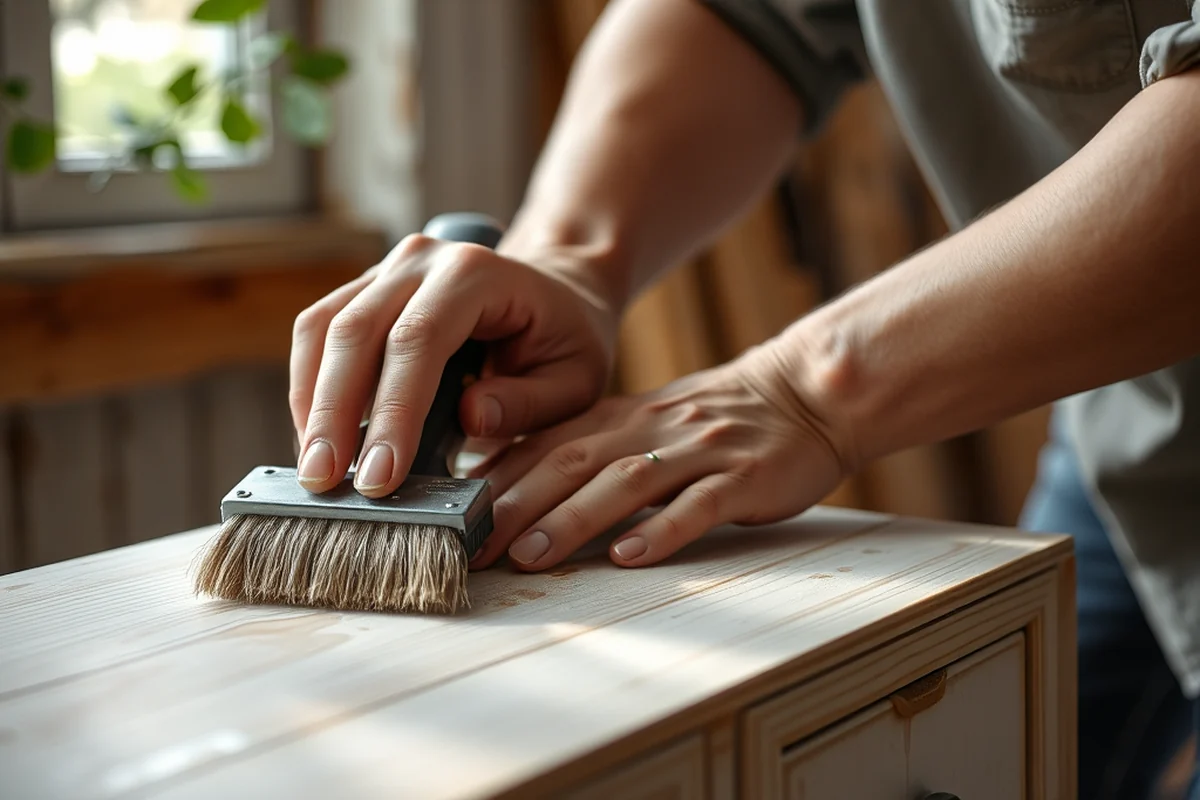
One of the biggest advantages of modular furniture is its adaptability. I’ve found that it’s especially useful in small or multi-functional spaces where furniture needs to serve multiple purposes. For example, I built a modular coffee table that can be expanded into a dining table or folded into a compact unit when not in use. This type of flexibility is invaluable when you're working with limited square footage.
Cost is another major benefit. While some high-end modular furniture can be expensive, many systems are designed for DIY assembly and come with pre-cut components that are easy to put together. In fact, I built an entire modular bookcase for under $60, and it looks just as good as store-bought options that cost several times more.[2]
Beyond cost and space, modular furniture also has a long lifespan. Because it can be reconfigured and upgraded over time, it doesn’t become obsolete as quickly as traditional furniture. This means you’re investing in a piece that can grow with you and your home.
Modular furniture is the future of smart, adaptable living.
Related: Mdf vs solid wood
How to Get Started with Modular Furniture
Getting started with modular furniture is straightforward, but it’s important to choose the right system for your needs. I recommend starting with a small project, like a shelf unit or a storage bench, to get a feel for how these systems work. Once you’re comfortable with the basics, you can move on to more complex builds.
When selecting a modular furniture kit, look for one that includes detailed instructions and pre-cut components. I’ve found that kits with interlocking joints or magnetic connectors are the easiest to assemble, even for beginners. These systems often come with templates or guides to help you align the pieces correctly.
In terms of tools, you’ll typically need a drill, screwdriver, level, and possibly a saw if you need to make any custom cuts. I’ve built several pieces using just a hand drill and a few basic screws, so don’t be intimidated by the complexity. With the right approach, even a first-time builder can create a beautiful modular piece.
Look for modular furniture kits that include alignment templates or guides. These make it much easier to assemble the pieces correctly and ensure that everything fits together perfectly.
“The first time I put together a modular furniture kit, I was struck by how different it was from traditional, fixed-design pieces.”— DIY Furniture with Mdf editors
Related: Mdf furniture company
Real-World Applications of Modular Furniture
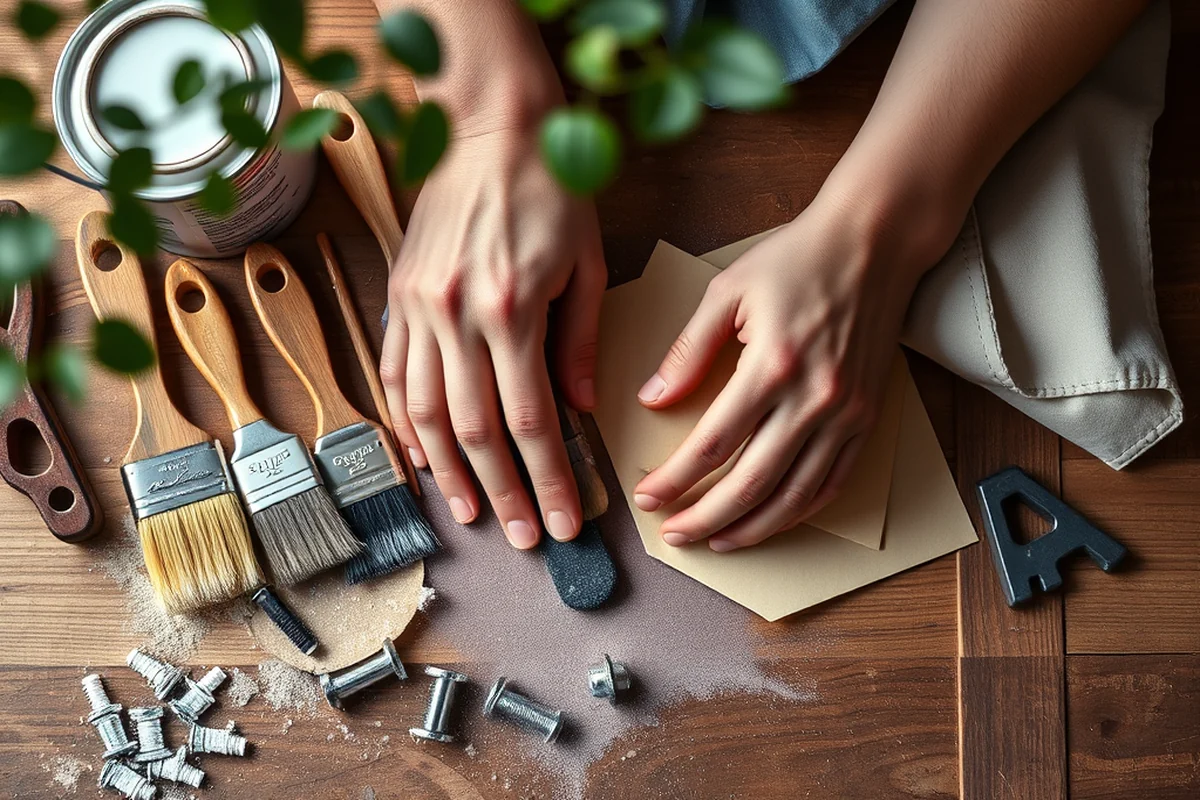
I've seen modular furniture used in everything from home offices to commercial spaces, and it's clear that its versatility makes it a great choice for a wide range of applications. One of my favorite projects was building a modular wall system for a client's home office. The system included adjustable shelves, drawers, and cabinets that could be rearranged to accommodate different needs over time.
Another common use case is in apartments or rental properties, where modular furniture can be easily disassembled and moved without damaging the space. I've built several modular storage units for tenants who needed temporary furniture solutions, and they've all been incredibly satisfied with how easy it was to put the pieces together and take them apart.
In commercial environments, modular furniture is often used in co-working spaces, retail stores, and even healthcare facilities. The ability to reconfigure the pieces quickly and efficiently is a huge advantage in these settings, where the layout may need to change frequently.
Related: Mdf furniture feet
How to Customize Your Modular Furniture
One of the best things about modular furniture is that it can be customized in a variety of ways. Whether you want to paint the pieces, add hardware, or even modify the layout, the options are nearly endless. I've painted several of my modular pieces with chalkboard paint to create interactive surfaces that I can use for writing or displaying artwork.
Another popular customization option is adding different finishes or textures to the pieces. I've used wood veneers, fabric covers, and even metal accents to give my modular furniture a unique look. These modifications not only enhance the appearance of the pieces but also make them more durable and functional.
Customization can also include adding extra features like lighting, built-in storage, or even integrated power outlets. I've installed LED strips in one of my modular shelf systems to create a subtle ambient glow that adds a warm, inviting feel to the space.
Related: What is nadeau furniture
Common Challenges When Building Modular Furniture
One of the most common challenges I've encountered is ensuring that all the pieces align correctly. This is especially important when working with systems that use interlocking joints or slots. If even one piece is slightly misaligned, it can cause the entire structure to wobble or feel unstable.
Another challenge is making sure that the pieces are cut to the correct dimensions. If you're using a kit that requires some customization, it's important to measure carefully and double-check your cuts. Even a small error can cause problems when assembling the pieces.
Finally, some modular systems require a certain level of precision when attaching the components. This means taking your time and ensuring that each piece is properly aligned and secured. Rushing through the process can lead to mistakes that are difficult to fix later.
Precision is key when building modular furniture — take your time and double-check your work.
Related: What is polywood furniture
The Future of Modular Furniture
Looking ahead, I believe that modular furniture will continue to evolve in exciting ways. One of the most promising trends is the integration of smart technology into modular pieces. I've seen prototypes of modular furniture with built-in wireless charging, motion sensors, and even voice-activated controls. These innovations are still in the early stages, but they represent a significant shift in how we interact with our furniture.
Another trend I've noticed is an increasing focus on sustainability. Many modular furniture systems are now being designed with eco-friendly materials and production methods that reduce waste. This is a welcome development, especially for DIYers who are looking for ways to build furniture that's both functional and environmentally responsible.
As modular furniture continues to gain popularity, I expect to see more options that cater to a wider range of needs and preferences. Whether you're looking for affordable home office setups, space-saving solutions for small apartments, or even high-end furniture with custom finishes, there will be more choices than ever before.
💰 Budget Build
A cost-effective approach using pre-cut MDF panels and basic hardware to assemble a functional modular furniture piece.
⏰ Weekend Version
A quick and easy project that can be completed in a single weekend with minimal time and effort.
🎨 Upgraded Finish
Enhance your modular furniture with custom finishes, textures, or hardware for a more refined look.
🏠 Small-Space Adaptation
A compact and flexible modular setup designed for small apartments or rooms with limited space.
🔒 Rental-Safe Option
A modular furniture system that is easy to disassemble and transport, making it ideal for renters.
| The mistake | Why it happens | The fix |
|---|---|---|
| Assuming all modular furniture kits are the same. | Different kits have varying levels of complexity, materials, and instructions. It’s important to choose one that matches your skill level and needs. | |
| Skipping the alignment steps during assembly. | Even a small misalignment can cause the entire structure to wobble or feel unstable. | |
| Using the wrong type of hardware. | Using the wrong screws or fasteners can compromise the structural integrity of the piece. | |
| Overlooking the need for reinforcement. | Some modular furniture systems may require additional reinforcement to ensure they are sturdy and long-lasting. | |
| Ignoring the importance of proper storage. | Improper storage can lead to damage or misalignment of the pieces, especially if you're planning to move them later. |
What Is Modular Furniture
Common Questions
Can I build modular furniture without any prior experience?
What tools do I need to build modular furniture?
Is modular furniture durable?
Can I reconfigure my modular furniture after I’ve built it?
References
- CAO Semiannual Report - Chief Administrative Officer - House.gov (cao.house.gov)
- 14 FAM 410 PERSONAL PROPERTY MANAGEMENT (fam.state.gov)
Cite this guide
DIY Furniture with Mdf (2026). What Is Modular Furniture. https://mdfcreate.com/what-is-modular-furniture/
Feel free to cite or share this guide.