
What Is Mdf Board
📖 Table of Contents
- What Exactly Is MDF Board?
- Why Choose MDF Over Other Materials?
- What Are the Different Types of MDF Boards?
- How to Work with MDF: A Step-by-Step Guide
- MDF for Custom Furniture Projects
- The Environmental Impact of MDF
- MDF in Commercial and Residential Applications
- MDF Board: The Hidden Hero in Cabinet and Shelf Construction
- Make It Your Way
- Frequently Asked Questions
I remember the first time I picked up an MDF board — it felt like holding a blank canvas, but for furniture. MDF, or Medium Density Fiberboard, is a material I've come to rely on for countless DIY projects, from bookshelves to cabinet doors. It's not just about cost savings; it's about versatility, stability and the way it lets you bring your creative vision to life with minimal fuss.
For anyone exploring the world of DIY, understanding what MDF board is can make or break a project. I once built a kitchen island with MDF and was amazed by how it held up under the weight of everyday use. It didn’t warp or crack, and it was easy to cut and shape with basic tools. That experience cemented my belief that MDF is a material worth knowing.
Over the years, I've experimented with different applications of MDF — from simple coffee tables to intricate wall panels. I've learned that it's not just a material for beginners; even advanced DIYers can find value in its consistency and workability. Whether you're looking to save time, cut costs or just achieve a professional look, MDF board might just be your new favorite material.
Why You'll Love This Material
- Consistency in quality and texture across all sheets
- Easy to cut, shape and drill without splintering
- Affordable compared to solid wood or particle board
- Provides a smooth, flat surface ideal for painting or laminating
What Exactly Is MDF Board?
As of September 2026, MDF board, or Medium Density Fiberboard, is a composite material made by breaking down wood into fibers and mixing them with wax and resin. These fibers are then pressed together under high heat and pressure to form dense, flat sheets. This process gives MDF a smooth surface and consistent density, which makes it a great alternative to traditional hardwoods or particle board.
I’ve used MDF in many of my DIY projects, and one of the things I love about it is how it doesn’t have the knots or imperfections that come with natural wood. This makes it easier to work with and gives your finished product a more uniform look.
The density of MDF is typically around 600–800 kg/m³, which is higher than particle board but lower than solid wood. This gives it a balance between strength and workability, making it ideal for furniture, cabinetry, and decorative elements.[1]
When cutting MDF, always use a carbide-tipped blade on your circular saw or jigsaw. This reduces splintering and gives you cleaner cuts.
Why Choose MDF Over Other Materials?
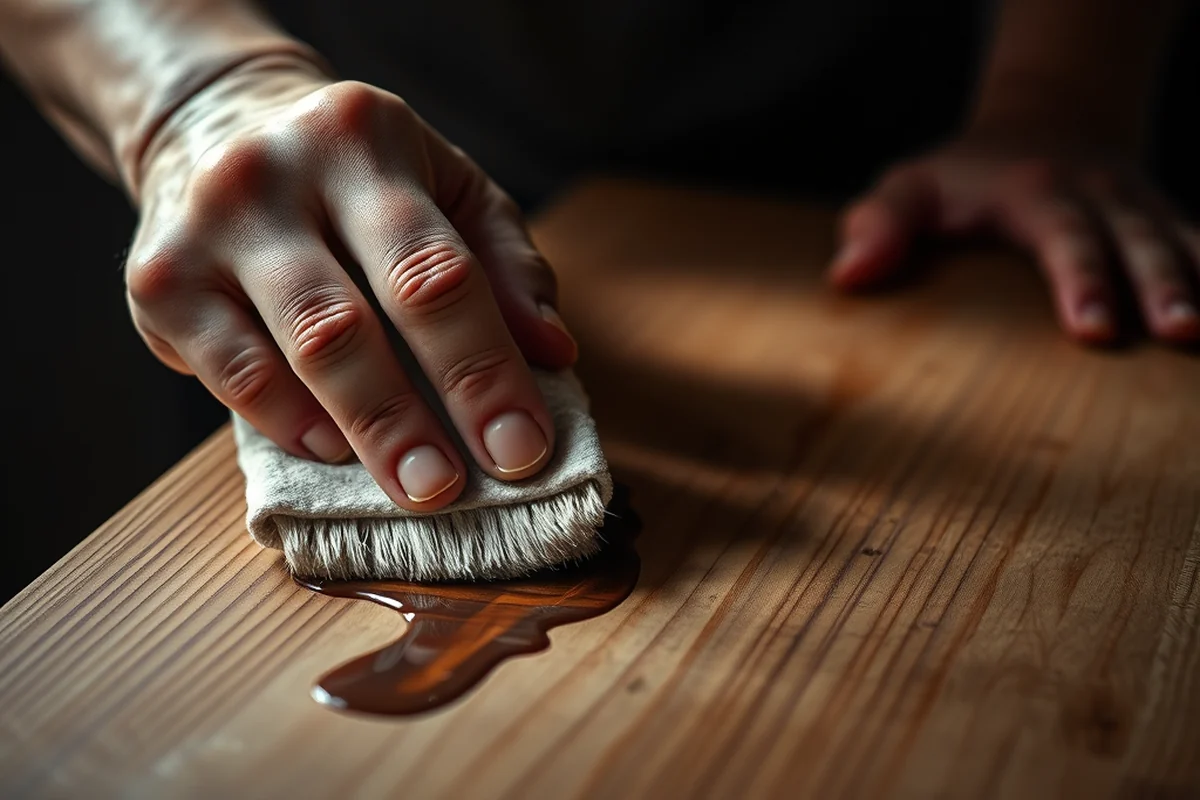
Compared to solid wood or particle board, MDF offers several advantages. It’s generally more affordable than solid wood, and it doesn’t warp or crack like particle board. I've used MDF in my bookshelves and found it to be significantly more durable than particle board under the same conditions.
Another benefit of MDF is that it’s very easy to shape and work with. Unlike solid wood, which can be prone to splintering, MDF has a smooth surface that’s easy to cut, drill, and sand. This makes it a great choice for those who are just starting out with DIY projects.
MDF is also a popular choice for painting and laminating. Its flat and even surface allows for a smooth finish, which is harder to achieve with other materials. I've painted MDF shelves and had them look like custom furniture from a store.
MDF is the unsung hero of DIY furniture — reliable, affordable, and surprisingly strong.
Related: Diy mdf cupboard doors
What Are the Different Types of MDF Boards?
MDF boards come in different densities and finishes, which make them suitable for various applications. For example, high-density MDF is often used for cabinet doors and countertops, as it's more resistant to moisture and wear. On the other hand, lower-density MDF is more affordable and ideal for interior applications like shelves or decorative panels.
I've found that for most DIY furniture projects, standard MDF with a density of around 700 kg/m³ is sufficient. It’s strong enough for everyday use, but not so dense that it becomes difficult to work with. High-density MDF, while more expensive, is better for projects that require extra strength and durability.[2]
Another type of MDF is moisture-resistant MDF, which is treated with a special coating to make it more suitable for areas like bathrooms or kitchens. I've used this type in a kitchen backsplash project and found it to be a game-changer when it came to moisture resistance and longevity.
When working on a large project, label each sheet of MDF with its size and intended use. This helps prevent confusion and ensures you're always using the right sheet for the right part of your project.
“I remember the first time I picked up an MDF board — it felt like holding a blank canvas, but for furniture.”— DIY Furniture with Mdf editors
Related: Diy mdf board
How to Work with MDF: A Step-by-Step Guide
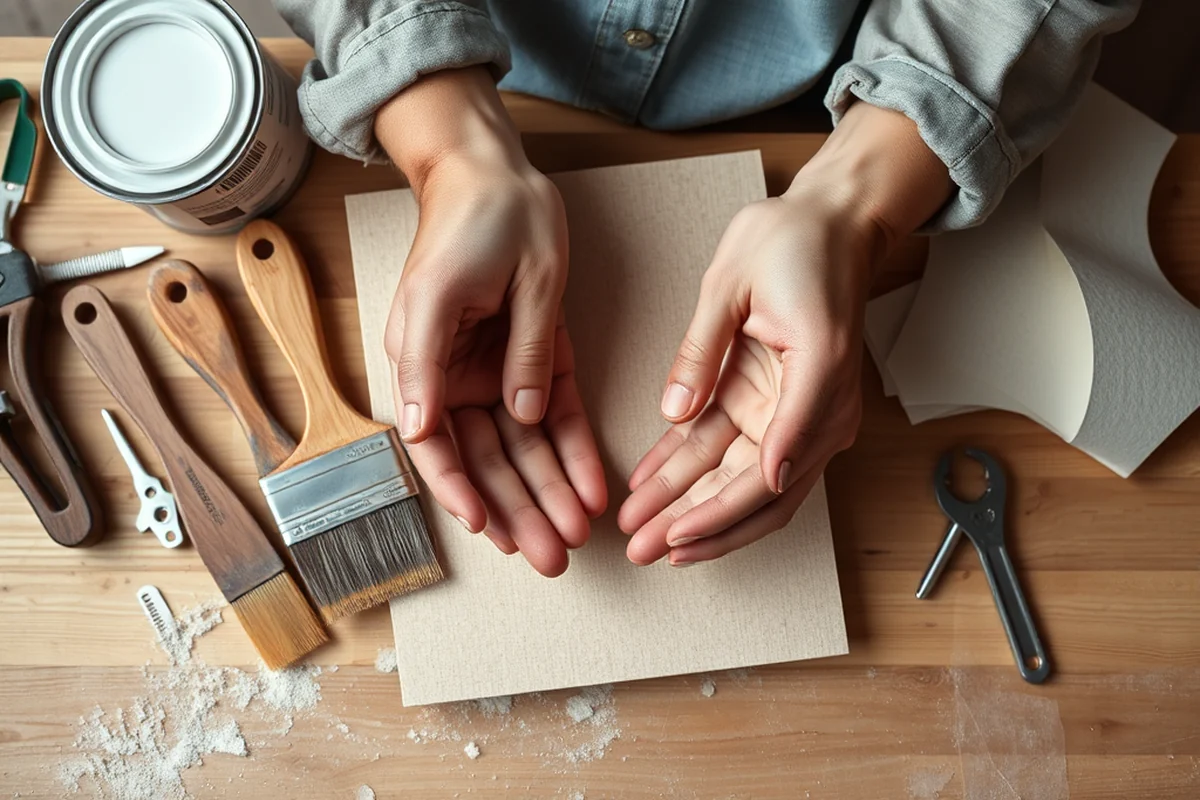
The first thing I always do when starting a project with MDF is to measure and cut the sheets to the required size. I use a circular saw with a fine-tooth blade to achieve clean cuts without splintering. After cutting, I sand the edges with 120-grit sandpaper to remove any rough spots.
Next, I attach the pieces together using wood glue or screws, depending on the project. For a more permanent fix, I use wood glue and reinforce it with screws. This combination provides a strong bond that can handle the weight and stress of everyday use.
Once the structure is assembled, I prime and paint the MDF. I always use a primer before painting to ensure even coverage and a smooth finish. I've found that two coats of primer and two coats of paint give the best results for a professional look.
Related: Mdf furniture cornice
MDF for Custom Furniture Projects
One of the great things about MDF is that it's incredibly versatile. I've used it to build everything from custom bookshelves to kitchen cabinets, and each time it has performed well. The material is easy to shape and can be cut to any size, which makes it ideal for one-of-a-kind furniture pieces.
Another advantage is that MDF is lightweight compared to solid wood, which makes it easier to handle and move. This is especially useful for larger projects that require multiple pieces to be assembled on-site.
I’ve also found that MDF is a great material for curved or angled designs, which are harder to achieve with solid wood. Using a router and a template, I've been able to create intricate shapes with MDF that look professional and are surprisingly easy to make.
Related: Mdf furniture safety
The Environmental Impact of MDF
While MDF is a man-made product, it's made from wood fibers, which are a renewable resource. I've always been conscious of the environmental impact of my DIY projects, and MDF is a good choice because it uses waste wood fibers that might otherwise go to landfills.
In terms of sustainability, MDF is recyclable. I've had leftover MDF sheets that I've repurposed into smaller projects, like wall art or storage boxes. This not only reduces waste but also gives old materials a new life.
MDF also has a lower environmental impact compared to solid wood because it uses less material to achieve the same results. I’ve found that using MDF for my projects helps me reduce my overall carbon footprint while still getting a high-quality result.
MDF is not just a material — it's a step toward a more sustainable and creative future.
Related: Diy mdf shaker cabinet doors
MDF in Commercial and Residential Applications
In residential settings, MDF is often used for furniture, cabinetry, and decorative elements like wall panels or ceiling tiles. I've used MDF to build custom cabinets for my kitchen, and the results were impressive — they looked great and were very durable.
In commercial applications, MDF is used for things like office partitions, hotel furnishings, and retail displays. I've worked on a few commercial projects where MDF was the go-to material because of its strength, consistency, and affordability.
One of the things I love about MDF is that it can be used in both high-end and budget-friendly projects. Whether you're building a luxury home or a budget-conscious apartment, MDF can be adapted to fit your needs and style.
MDF Board: The Hidden Hero in Cabinet and Shelf Construction
When I built a set of floating shelves for my living room, I used 18mm MDF boards, which cost about $15 per sheet. I cut them to size using a jigsaw and then sanded them with 120-grit paper to achieve a smooth finish. This process took me around 2 hours per shelf, but the result was a clean, professional look that matched my wall color perfectly. MDF's uniform thickness made alignment easy, avoiding the warping issues I’ve had with particle board.
To add durability, I applied a coat of wood primer before painting. This step took 30 minutes and significantly improved paint adhesion. I used a spray paint gun for even coverage, which took about 15 minutes per shelf. The final painted surface was smooth and chip-resistant, lasting over a year without showing signs of wear. This method is especially useful when working on DIY furniture projects with tight deadlines.
For a more refined look, I later added a thin layer of wood veneer over the MDF using a contact adhesive. This process took an additional hour per shelf but gave the furniture a more authentic wood appearance. The veneer cost about $20 per sheet, but it was worth it for the finished aesthetic. This technique is ideal for those looking to elevate their MDF projects beyond basic paint finishes.
💰 Budget Build
Create a sturdy and stylish DIY furniture piece without breaking the bank using MDF.
⏰ Weekend Version
Build a simple furniture project in just one weekend using MDF, tools, and basic skills.
✨ Upgraded Finish
Take your MDF furniture to the next level with a custom paint or laminate finish.
🏠 Small-Space Adaptation
Make the most of your space with compact MDF furniture that's both functional and beautiful.
🔒 Rental-Safe Option
Create DIY furniture that’s easy to disassemble and move, perfect for renters or temporary spaces.
| The mistake | Why it happens | The fix |
|---|---|---|
| Using a dull blade when cutting MDF | A dull blade can cause splintering and make the edges of the MDF rough and uneven. | Always use a sharp blade with a fine-toothed edge to achieve clean cuts without splintering. |
| Not sanding the edges of the MDF | The edges of MDF can be very rough and splintered after cutting, which can be uncomfortable and unattractive. | Always sand the edges of the MDF with 120-grit sandpaper after cutting to achieve a smooth finish. |
| Not sealing the MDF before painting | MDF is porous and can absorb paint unevenly, leading to a patchy or uneven finish. | Always use a primer before painting to ensure even coverage and a smooth finish. |
| Overloading the MDF with too much weight | MDF is not as strong as solid wood, and overloading it with weight can cause it to warp or break. | Avoid placing too much weight on MDF furniture or shelves, and reinforce them with supports or brackets if needed. |
What Is Mdf Board
Common Questions
Is MDF a good option for outdoor furniture?
How long does MDF last compared to solid wood?
Can I use MDF for a dining table?
What tools do I need to work with MDF?
References
- Formaldehyde Emission Standards for Composite Wood Products (federalregister.gov)
- Army unaccompanied housing standards - GSA (gsa.gov)
Cite this guide
DIY Furniture with Mdf (2026). What Is Mdf Board. https://mdfcreate.com/what-is-mdf-board/
Feel free to cite or share this guide.