
What Mdf Sheet
📖 Table of Contents
The first time I worked with MDF, I was assembling a simple bookshelf from a kit. I had no idea what MDF was, just that the instructions said 'use MDF sheets for this part.' I remember the texture — it was smoother than particle board. Not as stiff as solid wood. It felt like something I could cut and shape with a few basic tools. That first project took me less than a weekend, and the result looked good enough to display in my living room.
Since that moment, I've learned a lot about MDF sheets. They're not just a material for beginners; they're versatile, affordable, and surprisingly strong when used right. I've built cabinets, made shelves, and even crafted a custom table. Each project has taught me something new about the material — how it holds screws, how it reacts to moisture, and even how it can warp if not handled carefully. If you're new to DIY, MDF might just be the perfect starting point.
What I love most about MDF sheets is their consistency. Unlike natural wood, which varies in grain and density, MDF is made from compressed wood fibers and adhesive. This means every sheet is uniform, which makes it easier to work with. I've found that even the most basic tools — like a jigsaw and a drill — can handle MDF sheets with ease. If you're thinking about your first DIY furniture project, MDF is a great material to start with.
Why You'll Love This MDF Sheet Project
- Consistent texture and density make it easier to work with than natural wood.
- Affordable price point makes it ideal for budget furniture builds.
- Strong enough for many DIY projects when used properly.
- Easy to cut and shape with basic tools.
What Exactly Is MDF?
As of September 2026, MDF is made by breaking down wood into fibers, mixing them with adhesive, and pressing them under high heat and pressure to form dense, flat sheets. The result is a smooth, uniform material that’s much easier to cut and shape than natural wood. I've used it for everything from cabinets to shelves, and it’s held up remarkably well in each case.
One of the biggest advantages of MDF is that it doesn’t have the grain or knots of natural wood. This makes it ideal for beginners who might not have the tools to work with wood grain. I’ve found that even with just a jigsaw and a drill, I can create clean, professional-looking cuts and screw holes.
Another benefit is that MDF is relatively affordable. I’ve priced it out at around $20 to $30 per sheet depending on the thickness and size, which is a big win for DIYers on a budget. It’s also available in standard sizes, which makes it easy to find and use in most projects.[1]
When cutting MDF, use a fine-tooth blade on your saw to prevent splintering. I’ve found that a blade with 80 teeth or more works best for smooth edges.
How MDF Compares to Other Materials
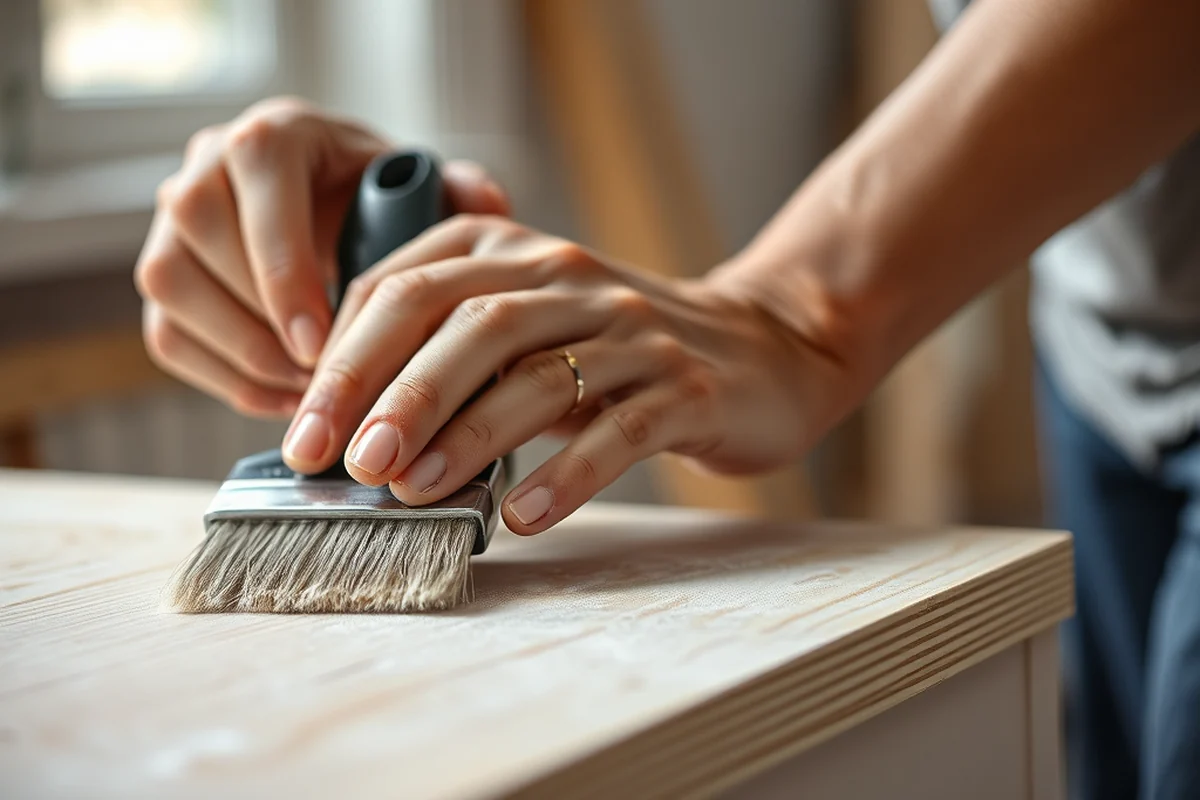
Compared to particle board, MDF is more durable and less prone to warping. I’ve had particle board shelves sag over time, but my MDF shelves are still sturdy after two years of use. MDF also holds screws better than particle board, which makes it ideal for furniture that requires mounting or attaching components.
When compared to solid wood, MDF is more affordable and easier to work with. I’ve had trouble with wood splinters when drilling into natural wood, but MDF doesn’t have this issue. It’s also less likely to crack or split when cut, which is a big plus for beginners.
MDF is also a good alternative to plywood in many projects. While plywood is stronger in some cases, MDF’s smooth surface and uniform density make it easier to paint and finish. I’ve painted several MDF pieces and found that the paint adheres evenly without the need for sanding.
MDF is the middle ground — not as expensive as solid wood, but not as flimsy as particle board.
Related: How to make mdf waterproof
Choosing the Right MDF Sheet
I usually go with 3/4-inch MDF sheets for most projects because they’re thick enough to hold up under weight without bending. For smaller items like shelves or picture frames, 1/2-inch sheets work just as well. I’ve found that thicker sheets are better for things that need to support more weight, like cabinets or tables.
The finish of the MDF sheet also matters. Some MDF sheets come with a veneer or laminate finish, which can help protect the board from moisture. I’ve used these in bathroom cabinets and found that they hold up better in humid environments. However, if you’re planning to paint the MDF, I recommend choosing a plain sheet without any pre-finished coatings.[2]
Another factor to consider is the type of adhesive used in the MDF. Some MDF sheets are made with formaldehyde-based adhesives, which can emit a mild odor. If you’re concerned about this, look for MDF sheets labeled as 'low-emission' or 'E0' rated. I’ve used these in my home and haven’t noticed any strong odors.
If you're concerned about indoor air quality, choose MDF sheets labeled as E0 or low-emission. These sheets have minimal formaldehyde release and are better for long-term use in your home.
“The first time I worked with MDF, I was assembling a simple bookshelf from a kit.”— DIY Furniture with Mdf editors
Related: Mdf full form
Common Uses for MDF Sheets
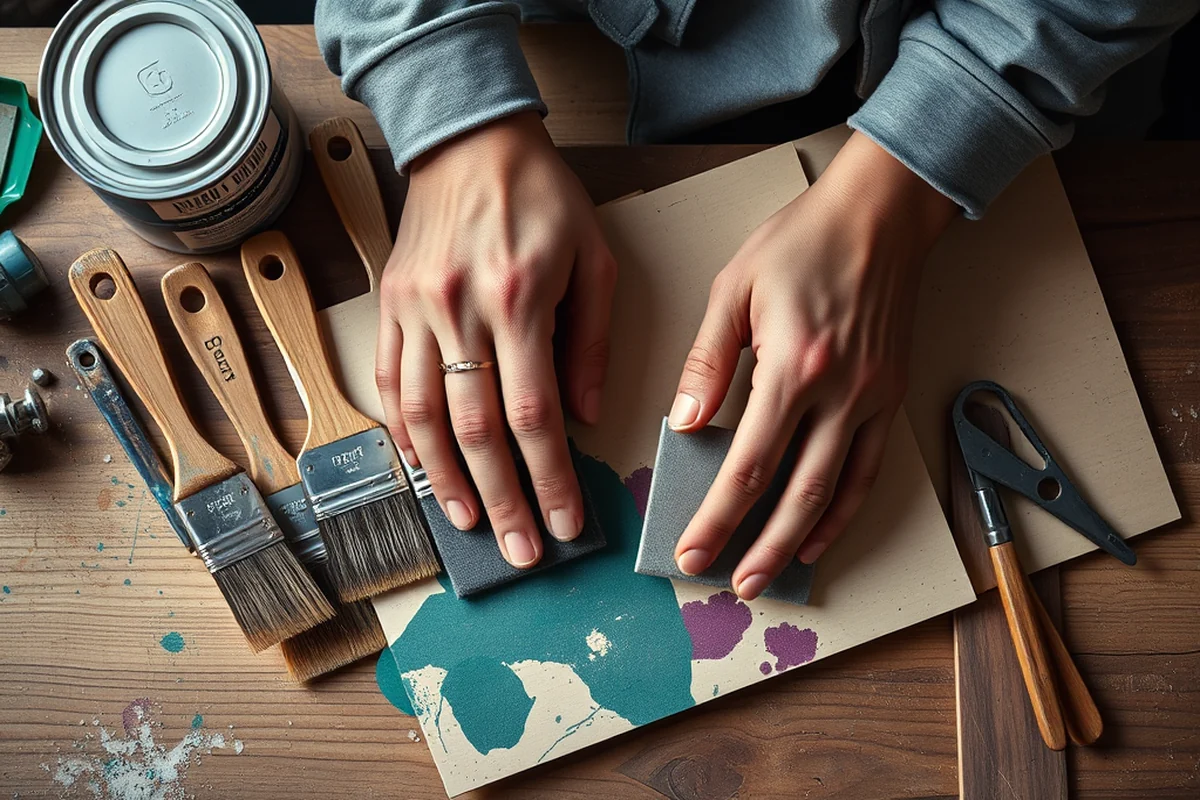
I’ve used MDF sheets to build cabinets, shelves, and even a custom desk. The versatility of MDF makes it ideal for furniture that needs to be cut and shaped to fit specific spaces. I’ve even used MDF to make decorative wall panels, and they look great when painted or finished.
MDF is also a good option for projects that require a smooth surface, like picture frames or decorative moldings. The material is easy to paint, and it holds the paint well without warping. I’ve painted several MDF pieces and found that the finished look is clean and professional.
Another common use for MDF is in creating custom cabinetry. I’ve built several kitchen cabinets using MDF, and they’ve held up well over time. The material is durable enough to support the weight of shelves and hardware, and it’s easy to work with even for someone new to DIY.
Related: Table gigogne mdf
Cutting and Shaping MDF Sheets
I’ve found that a jigsaw is the best tool for cutting curved or angled shapes in MDF. It’s easy to control and allows for precise cuts. I’ve also used a table saw for straight cuts, but I’ve found that the jigsaw is more versatile for most DIY projects.
If you’re planning to shape the MDF, I recommend using a router with a straight bit. I’ve used this to create decorative edges on shelves and cabinets, and the results look great. The router allows for clean, smooth edges that are easy to paint or finish.
Another tip is to use a clamp to secure the MDF sheet in place before cutting. I’ve had trouble with the sheet slipping when I didn’t use a clamp, and that can be dangerous. A clamp also helps prevent splintering and ensures clean, even cuts.
Related: How to make mdf edges smooth
Finishing and Painting MDF
I’ve painted several MDF projects, and the key to a smooth finish is proper preparation. The first step is to sand the MDF sheet lightly with 120-grit sandpaper. This helps create a smooth surface for the paint to adhere to. I’ve noticed that skipping this step can lead to a rough, uneven finish.
After sanding, I use a primer specifically designed for MDF. I’ve found that using a primer helps the paint stick better and prevents the wood fibers from bleeding through. I’ve used a water-based primer, and it dries quickly without leaving any residue.
Once the primer is dry, I apply two coats of paint using a brush or spray gun. I’ve found that two coats give a more even finish, and it looks much better than one coat. I’ve used both latex and oil-based paints, and both work well on MDF.
Proper preparation is key — a little sanding and a good primer can make all the difference.
Related: Can you make mdf water resistant
Common Mistakes to Avoid
One of the biggest mistakes I see is not using the right blade when cutting MDF. I’ve had several instances where I used a blade that was too coarse and ended up with splintered edges. I’ve learned that using a fine-tooth blade, like one with 80 teeth or more, gives the cleanest cuts.
Another common mistake is not securing the MDF properly before cutting. I’ve had the sheet slip in my hands a few times, and it was a real safety hazard. Using a clamp or a workbench with a vise helps keep the sheet in place and makes cutting easier.
I’ve also seen people skip the sanding step before painting, and it always leads to a rough finish. I’ve learned that even a light sanding with 120-grit paper can make a big difference in how the paint looks.
💰 Budget Build
Create a simple shelf or cabinet using affordable MDF sheets and basic tools.
⏰ Weekend Version
Finish a small project in a single weekend with MDF sheets and minimal effort.
🎨 Upgraded Finish
Add a professional touch with paint, stain, or decorative finishes.
🛋️ Small-Space Adaptation
Build a custom piece that fits perfectly in a small apartment or home office.
🏠 Rental-Safe Option
Create a temporary or moveable piece that can be easily disassembled and taken with you.
| The mistake | Why it happens | The fix |
|---|---|---|
| Not using the right blade | Using a blade with too few teeth can lead to splintered edges and poor cuts. | Use a fine-tooth blade with 80 teeth or more for clean, smooth cuts. |
| Not securing the MDF | Failing to clamp the sheet in place can lead to slipping and safety hazards. | Use a clamp or workbench with a vise to secure the MDF before cutting or drilling. |
| Skipping the sanding step | Not sanding the MDF before painting can result in a rough, uneven finish. | Always sand the MDF with 120-grit sandpaper before painting for a smooth surface. |
| Using MDF in humid environments | MDF is susceptible to warping in high humidity or direct sunlight. | Use MDF only for indoor projects and avoid using it in areas with high moisture or direct sunlight. |
What Mdf Sheet
Common Questions
What is the best way to cut MDF sheets?
Can I paint MDF sheets directly?
Is MDF suitable for outdoor use?
How thick should MDF sheets be for furniture projects?
References
Cite this guide
DIY Furniture with Mdf (2026). What Mdf Sheet. https://mdfcreate.com/what-mdf-sheet/
Feel free to cite or share this guide.