
Diy Furniture Ideas
📖 Table of Contents
- Choosing the Right MDF for Your Project
- Tools You'll Need for Your First Project
- Sanding and Finishing Tips for a Professional Look
- Building Your First DIY Furniture Project: A Step-by-Step Guide
- Customizing Your DIY Furniture to Match Your Space
- Troubleshooting Common Issues in DIY Furniture Building
- Adding Functional Features to Your DIY Furniture
- Make It Your Way
- Frequently Asked Questions
I remember the first time I assembled a DIY furniture piece — it was a simple bookshelf made from MDF panels. I had no idea how satisfying it would be to build something with my own hands, or how much it would improve the look of my living room. Since then, I've built dozens of pieces, from coffee tables to dressers, and I'm here to share my journey with you. DIY furniture ideas are more than just a way to save money; they're a creative outlet that lets you personalize your home and bring a sense of accomplishment with every finished project.[4]
The beauty of working with MDF is that it's affordable, easy to cut, and versatile enough to take on almost any design challenge. I've found that even the most basic DIY furniture ideas can transform a space when done right. Whether you're looking to build a custom desk for your home office or a sleek floating shelf for your bedroom, there's a project that fits your style and skill level. And the best part? You don't need a degree in woodworking or a full set of power tools to get started.
What I love most about DIY furniture is how it can be tailored to your exact needs. I once built a narrow side table for a small apartment, and another time, I crafted a massive entertainment center for a large living room — both projects were equally rewarding. DIY furniture ideas are limitless, and with the right tools and some guidance, you can create pieces that are not only functional but also a true reflection of your personality and taste.
Why You'll Love This DIY Furniture Experience
- You'll save hundreds on store-bought furniture by building your own pieces.
- Customization allows you to match your home's unique style and color palette.
- The satisfaction of creating something with your own hands is unmatched.
- DIY furniture is a great way to upcycle or repurpose old materials.
Choosing the Right MDF for Your Project
As of August 2026, MDF, or medium-density fiberboard, is a composite material made from wood fibers and resin. It's denser than particle board but more affordable than solid wood, making it ideal for DIY furniture. When I first started building, I used 18mm MDF for most of my projects, but I've since learned that 25mm is better for heavier pieces like tables or cabinets.[1]
I always check the grade of the MDF before buying. Higher-grade MDF has fewer voids and is more stable, which is important for pieces that will be painted or finished. I once used lower-grade MDF for a shelf and had to sand it down multiple times because of the imperfections.
Another thing to consider is the weight of the project. If you're building a large piece like a dresser or bookcase, 25mm MDF is the way to go. For smaller items like picture frames or wall shelves, 12mm MDF might be sufficient, especially if you're using it with brackets or support structures.
Higher-grade MDF is more stable and less prone to warping or splitting, which is important for long-term durability.
Tools You'll Need for Your First Project
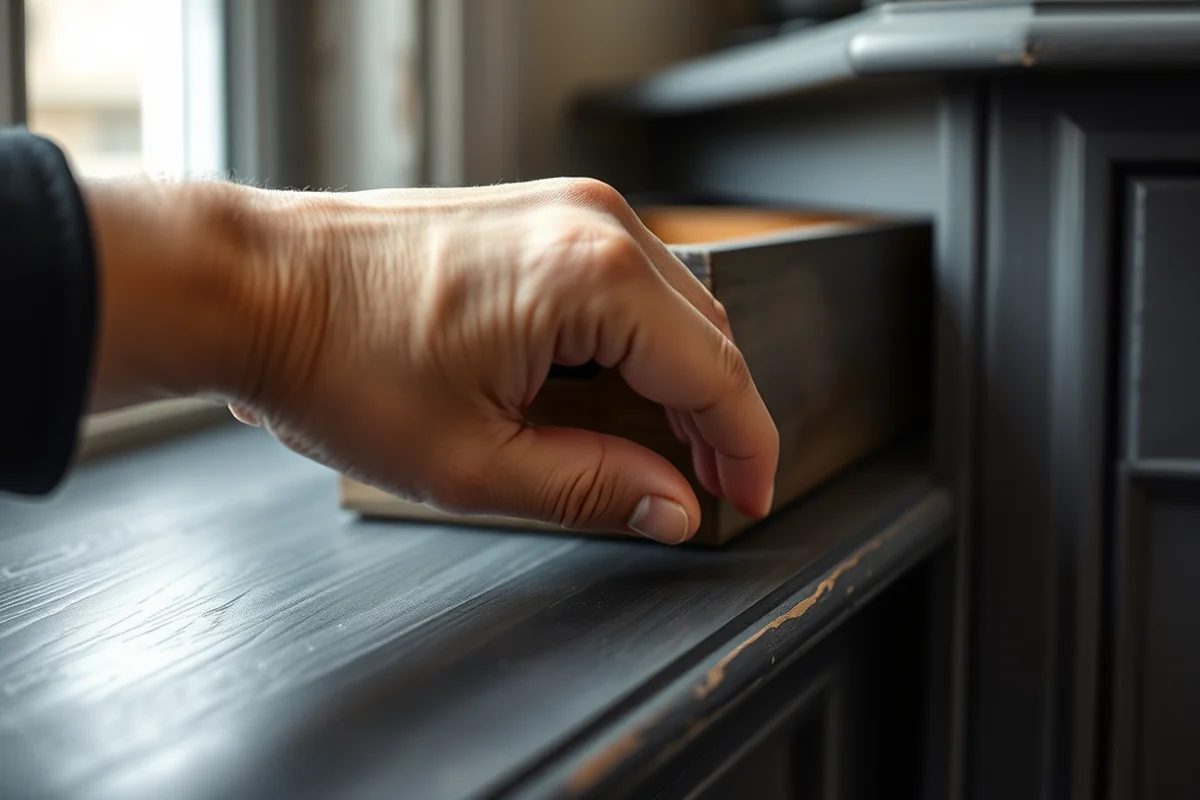
For most DIY furniture ideas, a circular saw or jigsaw is essential for cutting MDF panels to size. I've found that a jigsaw is more versatile for curved or angled cuts, while a circular saw is faster for straight edges. A hand saw works too, but it takes longer and can be more laborious.
Clamps are another must-have. I use them to secure pieces together while I apply glue or screws. A good set of clamps can make a huge difference in the quality of your final piece. I once skipped using clamps on a table project and ended up with crooked joints that I had to fix with wood filler.
A screwdriver or power drill is also important for assembling your pieces. For my first table, I used a manual screwdriver, but after that, I invested in a power drill with a screwdriver bit set. It cuts down on time and effort, especially for larger projects.
A little preparation with the right tools goes a long way in DIY furniture building.
Related: Diy furniture kit
Related: Diy furniture hire
Related: Diy furniture appliques
Related: How To Diy Furniture
Related: Best Diy Furniture Paint
Related: How to diy barbie furniture
Related: Diy Patio Furniture Ideas
Related: Diy furniture classes near me
Sanding and Finishing Tips for a Professional Look
After cutting and assembling your MDF pieces, I always sand them with a medium-grit sandpaper, like 120-grit, to smooth out any rough edges or imperfections. For a smoother finish, I'll follow up with 220-grit sandpaper. I once skipped the sanding step on a desk, and the paint didn't adhere properly — it ended up looking patchy and uneven.[2]
Once the surface is smooth, I apply a primer to help the paint or stain adhere better. I've found that using a water-based primer works best with MDF, as it dries quickly and doesn't cause the wood to swell. Primer also helps cover any imperfections in the MDF before painting.
After priming, I apply my favorite paint or stain. If I'm going for a natural wood look, I use a wood stain and finish with a clear polyurethane coat. For a more modern look, I'll go with a flat or satin paint finish. I always let each coat dry completely before applying the next one.
This step ensures a smooth, even finish and helps the paint or stain adhere properly to the surface.
“I remember the first time I assembled a DIY furniture piece — it was a simple bookshelf made from MDF panels.”— DIY Furniture with Mdf editors
Related: Diy furniture fabric cleaner
Related: Diy furniture cleaner
Related: Diy furniture instagram
Building Your First DIY Furniture Project: A Step-by-Step Guide
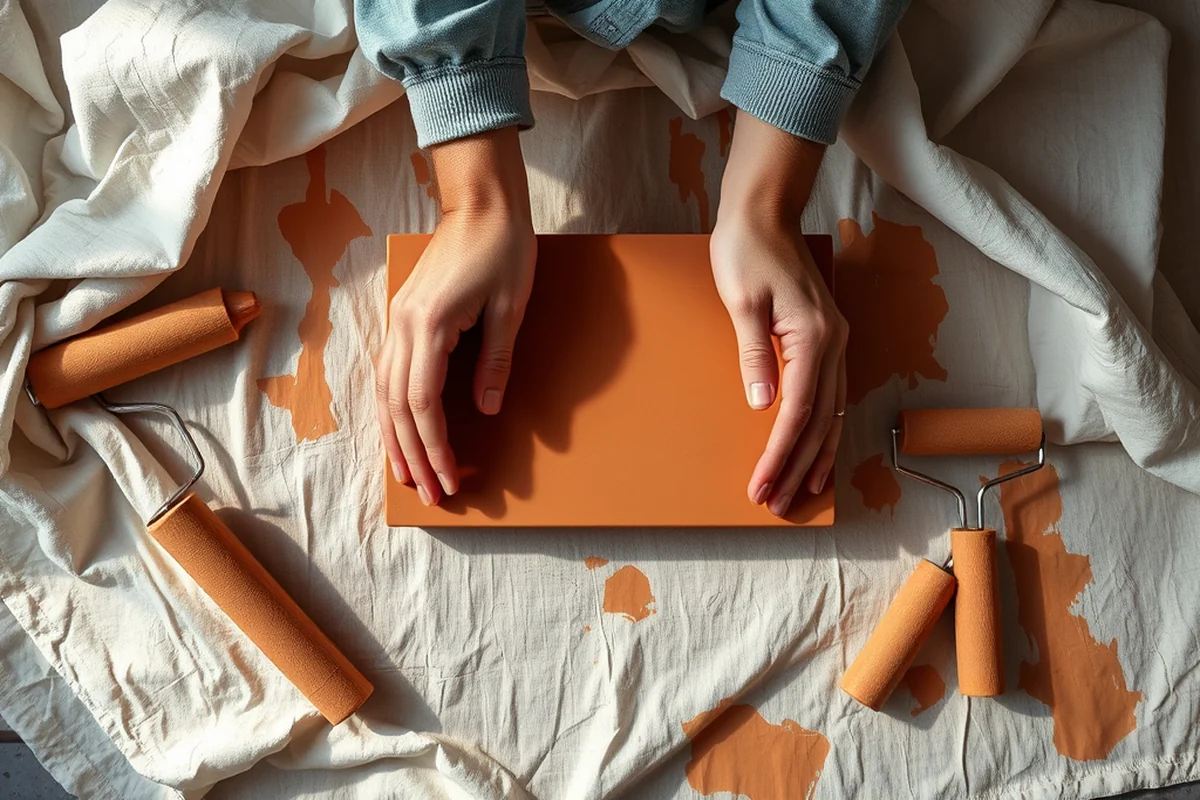
Start by choosing a project that fits your skill level. I recommend starting with something simple, like a floating shelf or a basic bookcase. These projects are relatively easy to assemble and don't require complex joinery or advanced techniques.[3]
Once you've selected your project, gather all the materials and tools you'll need. I always make a list of everything I need before starting, including the MDF panels, screws, wood glue, and any hardware like brackets or hinges. This helps avoid any last-minute trips to the store.
After you've cut and assembled the pieces, take your time to check the fit and make any adjustments before attaching the final parts. I once rushed through the assembly of a desk, and the drawers didn't fit properly, which required me to go back and adjust the frame.
Related: Best diy furniture cleaner
Related: Diy furniture ana white
Related: Diy furniture accessories
Customizing Your DIY Furniture to Match Your Space
I love adding unique details to my DIY furniture, like decorative inlays or custom hardware. For a modern look, I've used sleek metal handles on my cabinets, while for a more rustic feel, I've used wooden knobs. These small touches can make a big difference in the overall look of the piece.
Another way to customize your DIY furniture is by choosing the right color. I've painted my pieces in bold colors like deep blue or rich green to make a statement in my home. For a more neutral look, I've used light grays or warm whites that blend well with other furniture.
You can also experiment with different finishes, like matte, gloss, or wood grain. I've found that using a matte finish gives a more modern and sophisticated look, while a gloss finish adds a touch of elegance and shine.
Related: Diy furniture cleaning solution
Related: Diy furniture tips
Related: Diy furniture covers
Troubleshooting Common Issues in DIY Furniture Building
One common issue I've encountered is warping or bowing in MDF panels, especially if they're not stored properly or used in high-moisture areas. To prevent this, I always make sure to store my MDF in a dry place and avoid using it in areas like bathrooms or kitchens where there's a lot of humidity.
Another issue is loose joints or weak connections. I've found that using wood glue in addition to screws helps strengthen the joints and ensures a more secure fit. I once skipped using wood glue on a table and ended up with wobbly legs that needed reinforcement.
If your piece doesn't look quite right after assembly, take a step back and check your measurements and cuts. I've had to redo entire projects because of a small error in measurement. Taking your time to double-check everything can save you a lot of headaches later.
A little patience and attention to detail can make all the difference in DIY furniture building.
Related: Diy furniture book
Related: Diy exterior furniture
Related: Diy furniture app
Adding Functional Features to Your DIY Furniture
One of my favorite DIY furniture ideas is adding storage to a piece, like drawers or shelves. I've built a few dressers with built-in drawers and found that it's a great way to maximize space in a small bedroom. I've also added open shelves to my bookcases to display books, plants, and other decor items.
Another functional feature I like to add is lighting. I've installed LED strips under my floating shelves, which not only looks great but also provides soft ambient lighting in the room. I've also used battery-powered LED lights in my cabinets, which are a safe and energy-efficient option.
You can also add features like USB ports or charging stations to your DIY furniture. I've installed a built-in charging station in my desk, which is a huge convenience for working from home. These small additions can make a big difference in the overall functionality of your furniture.
💰 Budget Build
Use affordable MDF, minimal tools, and simple paint finishes to create a functional piece without breaking the bank.
⏰ Weekend Version
Complete a small project in one day with pre-cut MDF panels and basic assembly steps for a quick, satisfying build.
🎨 Upgraded Finish
Invest in high-quality paint, stains, and hardware to elevate the look of your DIY furniture to a professional standard.
🏠 Small-Space Adaptation
Design compact, space-saving furniture like wall shelves or narrow tables to maximize limited square footage.
🔒 Rental-Safe Option
Create temporary or portable furniture that won't damage rental floors or walls, perfect for short-term stays.
| The mistake | Why it happens | The fix |
|---|---|---|
| Skipping the sanding step | Not sanding the MDF can result in a rough, uneven surface that doesn't take paint or stain well. | Always sand the surface with medium-grit sandpaper before applying primer or paint. |
| Not using wood glue | Skipping wood glue can lead to weak joints that are prone to breaking or loosening over time. | Use wood glue in conjunction with screws for stronger, more durable joints. |
| Cutting pieces too small | Miscalculating the dimensions can lead to gaps or misalignment in the final piece. | Double-check your measurements before cutting and use a measuring tape to ensure accuracy. |
| Not securing the pieces properly | Failing to use clamps or brackets can result in a wobbly or unstable piece. | Always use clamps or brackets to secure the pieces together during assembly for a more stable result. |
Diy Furniture Ideas
Common Questions
What thickness of MDF should I use for different projects?
Can I use MDF for outdoor furniture?
How do I prevent my MDF from warping?
What tools are essential for DIY furniture building?
Cite this guide
DIY Furniture with Mdf (2026). Diy Furniture Ideas. https://mdfcreate.com/diy-furniture-ideas/
Feel free to cite or share this guide.
References
- Viking Furniture - Berry College (berry.edu)
- Furniture Design Research Papers - Academia.edu (academia.edu)
- Furniture - Procure to Pay - Cal Poly (afd.calpoly.edu)
- Leslie P. and George H. Hume American Furniture Study Center | Yale University Art Gallery (artgallery.yale.edu)