
What Is Hardwood Furniture
📖 Table of Contents
- What Is Hardwood Furniture, Really?
- The Natural Beauty of Hardwood Grain
- Hardwood vs. Softwood: What’s the Difference?
- How Hardwood Furniture is Made
- The Benefits of Choosing Hardwood Furniture
- How to Care for Your Hardwood Furniture
- Sustainability and Hardwood Furniture
- Make It Your Way
- Frequently Asked Questions
I still remember the first time I saw a piece of hardwood furniture in a shop — the grain was so intricate, the wood so solid, it felt like I was holding a piece of history in my hands. It wasn’t just the beauty that struck me, but the way it sat there, unshaken by time. That’s what hardwood furniture really is: not just a category, but a living, breathing testament to craftsmanship and durability.[1]
Hardwood furniture is more than just a term you might see on a product label. It’s the result of years of tree growth, the careful selection of the right wood, and the skill of the carpenter who shapes it. When I first started working with hardwoods, I was amazed at how different they were from the MDF and particle boards I had used before — harder, heavier. Far more resistant to wear and tear.[2]
Now, as someone who builds furniture from scratch, I can confidently say that choosing hardwood over other materials makes a world of difference. It’s not just about looks — though the grain patterns and natural color variations are stunning — it’s about how the furniture stands up to daily use. Whether it’s a dining table that sees daily meals or a bookshelf that holds your life’s collection, hardwood is built to last.
Why You'll Love This Guide to Hardwood Furniture
- Hardwood furniture can last for generations with proper care.
- It offers unmatched durability and resistance to scratches and dents.
- Each piece has unique grain patterns that make it one-of-a-kind.
- Hardwood is a sustainable choice when sourced responsibly.
What Is Hardwood Furniture, Really?
As of October 2026, Hardwood furniture is not just any type of furniture — it's defined by the kind of wood it's made from. Unlike softwoods, like pine or cedar, hardwood comes from deciduous trees that shed their leaves annually. This type of wood is denser, heavier, and has a tighter grain structure, which makes it more durable and resistant to warping over time.
When I first started working with hardwoods, I was amazed by how different they felt compared to MDF or particle board. The weight alone was a clue — I could feel the density in my hands. It wasn’t just about the look, though. I remember building a small coffee table from walnut and realizing that it could withstand the daily knocks and spills that would have dented softer materials.
Hardwood furniture isn’t just a luxury — it’s a practical choice. It’s the kind of furniture that can be passed down through generations, still looking as good as the day it was made. The key is choosing the right type of wood and ensuring it’s properly finished and cared for.
Different hardwoods have different characteristics. For example, oak is great for furniture that needs durability, while walnut is prized for its rich color and grain. Always check the wood’s hardness rating before starting a project.
Part of our Furniture board guide.
The Natural Beauty of Hardwood Grain
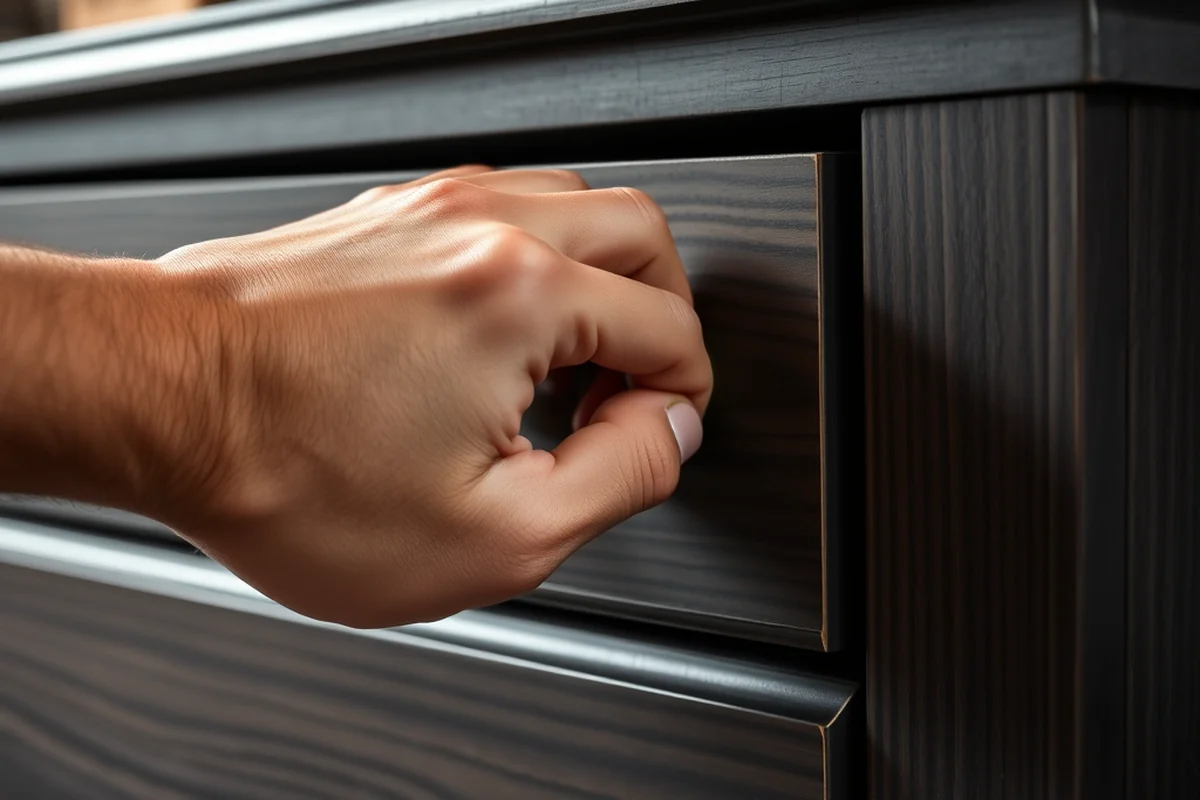
If you’ve ever looked closely at a hardwood table or chair, you’ve probably noticed the distinct grain patterns — some look like riverbeds, others like waves or even abstract art. These patterns are the result of the tree’s growth and the way the wood is cut, and they add a level of character that can’t be replicated by man-made materials.
I remember once building a dining table from a single piece of oak. The grain ran through it in a way that looked like a map of the forest. It was something that couldn’t be duplicated — even with the best paint or stain. That’s the magic of hardwood: it carries a story in every grain.
These natural patterns are not just for show. They also influence how the wood behaves. For example, straight grain tends to be more stable, while curly or wavy grain can be more prone to warping. Understanding these patterns helps you choose the right wood for your project.
The grain of hardwood is a fingerprint — unique, natural, and full of character.
Related: What is lane furniture
Hardwood vs. Softwood: What’s the Difference?
It might seem confusing at first, but the difference between hardwood and softwood isn’t based on the texture or hardness of the wood — it’s about where the wood comes from. Hardwood comes from deciduous trees, while softwood comes from coniferous trees like pine or spruce.
Softwood is often used for things like cabinetry or interior trim because it’s easier to work with and less expensive. But with furniture that needs to last, hardwood is the way to go. I’ve built several pieces using both types, and I can tell you that hardwood is much more resilient with daily wear and tear.
Choosing between hardwood and softwood depends on the purpose of the furniture. For pieces that will see heavy use or need to look good for years, hardwood is the better option. Softwood is more affordable but doesn’t hold up as well over time.
Hardwood is ideal for furniture that needs durability — think dining tables, chairs, and bookshelves. Softwood is better suited for projects like picture frames or interior trim, where cost and ease of work are more important.
“I still remember the first time I saw a piece of hardwood furniture in a shop — the grain was so intricate, the wood so…”— DIY Furniture with Mdf editors
Related: Modern living room furniture
How Hardwood Furniture is Made
The process of making hardwood furniture starts with selecting the right piece of wood. This is where the skill of the craftsman comes in — choosing a board with minimal knots and a straight grain for maximum stability. Once the wood is selected, it’s cut and shaped using a combination of hand and power tools.
I remember the first time I built a hardwood chair — it took a lot of patience. I had to join the legs carefully, ensuring that each part fit perfectly. The process was slower than with MDF, but the result was worth it. The chair was sturdy, and I knew it would last for years.
After the wood is shaped, it’s finished — this can be done with paint, stain, or oil. The finishing process not only enhances the natural beauty of the wood but also helps protect it from moisture and scratches. Proper finishing is just as important as the selection and shaping of the wood.
Related: Furniture warehouse near to me
The Benefits of Choosing Hardwood Furniture
One of the biggest advantages of hardwood is its durability. Unlike softwood or particle board, hardwood is less likely to warp, crack, or break under pressure. This makes it ideal for furniture that sees a lot of use, like dining tables or chairs.
Hardwood is also more resistant to scratches and dents. I’ve noticed that even after years of use, a well-maintained hardwood table can still look like new. This is because the wood is denser and harder than other materials. It’s also easier to repair if it does get damaged — you can sand it down and refinish it without losing the natural look.
Another benefit is the natural beauty of hardwood. Each piece has its own unique grain and color, making it a one-of-a-kind addition to any home. Whether you choose oak, walnut, or maple, the natural variations in the wood add character and depth to your furniture.
Related: What is modular office furniture
How to Care for Your Hardwood Furniture
Hardwood furniture is beautiful, but it needs some care to stay that way. The first thing to remember is that hardwood is sensitive to moisture. If it gets too wet, it can warp or swell. That’s why it’s important to keep it away from direct sources of water, like sinks or humidifiers.
I’ve learned the hard way that using the wrong cleaning products can damage the finish of your furniture. I once used a harsh chemical cleaner on a walnut table, and it stripped the finish completely. Now, I always use a mild soap and water solution, and I dry it immediately after cleaning.
Regular maintenance is also important. Wiping the surface with a soft cloth and applying a furniture polish can help keep the wood looking shiny and new. It’s also a good idea to move your furniture occasionally to prevent the wood from settling unevenly in one spot.
A little care goes a long way in keeping your hardwood furniture looking beautiful for years.
Related: L shaped couch
Sustainability and Hardwood Furniture
Hardwood is often associated with sustainability, especially when it’s sourced from responsibly managed forests. These forests are replanted after trees are cut down, ensuring that the supply of hardwood remains steady for future generations.
I remember learning about the importance of choosing FSC-certified wood, which means the wood came from a forest that’s managed in an environmentally responsible way. This not only helps protect the planet but also ensures that the wood is of high quality and long-lasting.
When used properly, hardwood furniture can be a sustainable investment. It doesn’t need to be replaced as often as furniture made from other materials, which reduces waste over time. Plus, the durability of hardwood means that it can be passed down through generations, making it a more sustainable choice in the long run.
💰 Budget Build
Create a simple hardwood piece using affordable materials and basic tools — perfect for first-time DIYers.
⏳ Weekend Version
A quick and easy hardwood project that can be completed in a single weekend with minimal effort.
🎨 Upgraded Finish
Enhance your hardwood project with a professional-looking finish using stains, oils, and lacquers.
🛋️ Small-Space Adaptation
Design compact hardwood furniture that fits perfectly in small spaces without sacrificing style or functionality.
🏠 Rental-Safe Option
Build a hardwood piece that’s easy to disassemble and move — ideal for renters who want to avoid leaving a mark on their home.
| The mistake | Why it happens | The fix |
|---|---|---|
| Using the wrong type of wood for the project | Choosing a wood that’s not suitable for the intended use can lead to warping, cracking, or weak joints. | Always select a wood that matches the project’s requirements. For example, use oak or maple for high-traffic areas and walnut or cherry for decorative pieces. |
| Not allowing the wood to dry properly | If the wood isn’t allowed to dry completely, it can warp or swell, leading to structural issues. | Always let the wood dry thoroughly before cutting or assembling. This can take several days, depending on the humidity and thickness of the wood. |
| Ignoring the need for proper finishing | Failing to apply a proper finish can leave the wood exposed to moisture and scratches, reducing its lifespan. | Always apply a quality finish, such as stain, oil, or lacquer. This protects the wood and enhances its natural beauty. |
| Overlooking the importance of wood grain | Choosing wood with a grain that’s too curly or wavy can lead to warping and instability in the finished piece. | Select wood with a straight grain for maximum stability. If you’re unsure, ask a professional or consult a guide on choosing the right wood for your project. |
What Is Hardwood Furniture
Common Questions
What are the best types of hardwood for furniture?
How long does hardwood furniture last?
Is hardwood furniture expensive?
Can I stain or paint hardwood furniture?
References
- (PDF) A re-evaluation of woods used in Chinese historic furniture (academia.edu)
- Determinant product and supplier attributes in domestic markets for ... (research.fs.usda.gov)
Cite this guide
DIY Furniture with Mdf (2026). What Is Hardwood Furniture. https://mdfcreate.com/what-is-hardwood-furniture/
Feel free to cite or share this guide.