
What Is Modular Office Furniture
📖 Table of Contents
- What Exactly Is Modular Office Furniture?
- The Benefits of a Modular Approach
- How Modular Office Furniture Is Made
- The Role of MDF in Modular Office Furniture
- How to Choose the Right Modular Furniture System
- The Impact of Modular Furniture on Productivity
- The Future of Office Spaces: Modular Design
- Make It Your Way
- Frequently Asked Questions
I remember the first time I tried to assemble a traditional office desk — it took me three hours, and I had to call in a friend for help. That was before I discovered modular office furniture, a game-changer that transformed my cluttered workspace into a functional, adaptable area. Modular office furniture is not just about aesthetics; it's about flexibility, efficiency and how you can tailor your space to fit your needs. Whether you're setting up a home office or redesigning a corporate environment, modular office furniture offers a solution that feels personal and practical.[4]
Modular office furniture is defined by its ability to be rearranged, reconfigured and repurposed without requiring permanent installation. I've used it in my own home office and found that it's not only easier to work with but also more cost-effective in the long run. Unlike traditional furniture, which often locks you into a specific layout, modular systems let you grow with your space. It's especially useful for people who move frequently, work remotely or need to adapt their environment for different tasks. The freedom to reshape your workspace is a luxury I never knew I needed until I tried it.
The best part about modular office furniture is that it doesn't have to be expensive or complicated. I've built my own modular desk using MDF boards and basic tools, and it cost me less than $100. This DIY approach is perfect for anyone who wants to customize their furniture without breaking the bank. Modular office furniture is more than just a trend — it's a lifestyle shift that empowers you to take control of your environment, making it more functional, personalized and adaptable. It's not just furniture; it's a foundation for your daily life.[1]
Why You'll Love This DIY Approach to Modular Office Furniture
- Customizable designs that match your specific space and needs
- Cost-effective solutions with MDF and basic tools
- Easy to reconfigure and upgrade over time
- Perfect for both home and office use
What Exactly Is Modular Office Furniture?
As of September 2026, Modular office furniture is a system of interlocking components that can be rearranged to fit any workspace. I've used MDF panels with pre-drilled holes to create a modular desk system that I can expand or contract based on my needs. These components are often designed with standardized dimensions and connection points, making it easy to assemble and reassemble them as required. This kind of furniture is perfect for people who need to change their workspace layout frequently, such as remote workers or creative professionals.
One of the key features of modular office furniture is its ability to be customized. I built my own system using MDF boards and connectors that I purchased online, and I was able to add a drawer unit and a keyboard tray later on. This flexibility allows users to adapt their furniture to specific tasks, such as adding extra storage for a home office or creating a collaborative space for a small business. The design is also focused on functionality, ensuring that each component serves a purpose.
Another benefit of modular office furniture is its cost-effectiveness. I was able to build my own desk system for under $100 using MDF and basic tools. This is a significant advantage for DIY enthusiasts who want to create a functional workspace without the high cost of traditional office furniture. The modular approach also reduces waste, as users can replace or upgrade individual components rather than buying an entirely new set of furniture.[2]
When selecting modular furniture components, look for ones with standardized dimensions and connection points to ensure compatibility. This will save you time and effort during the assembly process.
Part of our Furniture board guide.
The Benefits of a Modular Approach
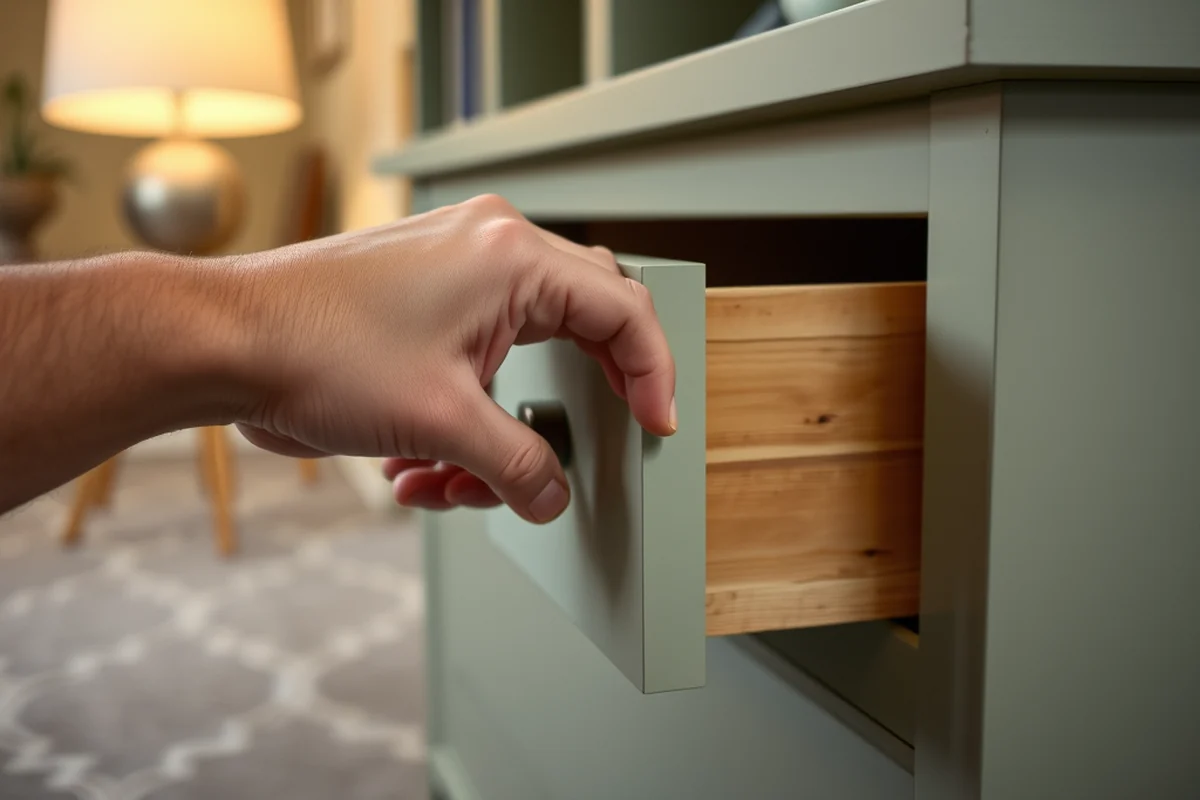
One of the most significant benefits of modular office furniture is its adaptability. I've found that I can reconfigure my workspace in under an hour, which is a huge time saver compared to the hours it would take to disassemble and reassemble traditional furniture. This makes it ideal for people who work in environments that require frequent changes, such as co-working spaces or home offices with multiple users.
Modular furniture is also cost-effective. I was able to build my own desk system for under $100, and I can easily upgrade or replace individual components as needed. This approach reduces the need for frequent furniture purchases, making it a more sustainable option. Also, because the components can be reused, it reduces overall waste and environmental impact.[3]
Another benefit is the ability to personalize the workspace. I customized my modular desk with different storage solutions, including a drawer unit and a keyboard tray, which are not typically included in traditional desks. This level of customization allows users to create a workspace that is tailored to their specific needs, making it more functional and efficient.
Modular office furniture is the future of workspace design — it's flexible, functional and future-proof.
Related: How to repaint mdf furniture
Related: What Is Modular Furniture
How Modular Office Furniture Is Made
Most modular office furniture is constructed from MDF, which is a cost-effective and durable material that's ideal for DIY projects. I used MDF boards with pre-drilled holes to create my own modular desk system, and it worked perfectly. The components are often designed with interlocking edges or connectors, which allow them to be assembled without the need for permanent fasteners. This makes it easy to rearrange or reconfigure the workspace as needed.
In addition to MDF, modular furniture can also be made from wood or metal, depending on the desired durability and aesthetic. I found that using MDF was the best option for my project, as it provided a good balance of strength and affordability. The connectors used in modular furniture are typically made from plastic or metal, and they are designed to hold the components securely in place while still allowing for easy reconfiguration.
The assembly process for modular furniture is generally straightforward. I used a few basic tools, such as a drill and a screwdriver, to assemble my system. The components are often labeled with instructions, making it easy to follow along. This simplicity is one of the reasons why modular furniture is a popular choice for DIY enthusiasts.
When building your own modular furniture, choose MDF boards with pre-drilled holes. This will make the assembly process much faster and easier, especially if you're new to DIY projects.
“I remember the first time I tried to assemble a traditional office desk — it took me three hours, and I had to call in…”— DIY Furniture with Mdf editors
Related: Mdf furniture india
The Role of MDF in Modular Office Furniture

MDF, or medium-density fiberboard, is a widely used material in modular office furniture because it's affordable and easy to work with. I used MDF boards for my own project, and I found that it was much easier to cut and shape compared to traditional wood. The smooth surface of MDF also makes it ideal for painting or laminating, which allows for a high degree of customization.
One of the advantages of using MDF is its ability to be cut and shaped with minimal effort. I used a jigsaw to cut my MDF boards to the desired dimensions, and it worked perfectly. This makes it an excellent choice for DIY projects, as it allows for precise measurements and adjustments. Also, because MDF is made from compressed wood fibers, it's resistant to warping and cracking, making it a durable option for furniture.
Another benefit of MDF is its ability to be painted or laminated, which allows for a wide range of design options. I painted my MDF desk with a water-based paint, and it turned out looking professional. This flexibility in design makes MDF an ideal material for creating a personalized workspace that matches the user's style and needs.
Related: Mdf furniture doors
How to Choose the Right Modular Furniture System
When choosing a modular furniture system, it's important to consider the size and layout of your workspace. I found that selecting a system with components that fit my room dimensions was crucial for creating a functional workspace. It's also important to consider the height and depth of the components, as these will affect the overall usability of the furniture.
Material is another important factor to consider. I used MDF for my project, but there are other options such as wood and metal that may be more suitable for specific needs. Wood is a good choice for those looking for a more natural look, while metal is ideal for those who want a more industrial or modern aesthetic. The material chosen will also affect the durability and cost of the furniture.
Connectivity options are also an important consideration. I looked for a system that had pre-drilled holes and interlocking edges, which made the assembly process much easier. This is especially important for DIY enthusiasts who want to build their own modular furniture without the need for complex tools or fasteners.
Related: Mdf for furniture
The Impact of Modular Furniture on Productivity
One of the most significant benefits of modular office furniture is its ability to enhance productivity. I've found that having a customizable workspace allows me to organize my tools and materials more efficiently, which reduces the time spent searching for items. This is especially important for people who work in fast-paced environments, where every minute counts.
The flexibility of modular furniture also allows for the creation of dedicated workspaces for different tasks. I've set up a separate area for my computer and another for my design software, which has helped me stay more focused and productive. This kind of organization is difficult to achieve with traditional furniture, which often lacks the adaptability needed for a dynamic workspace.
Another benefit is the ability to create a more ergonomic workspace. I adjusted my modular desk to the correct height for my chair, which has helped reduce strain on my back and shoulders. This kind of customization is essential for maintaining good posture and preventing long-term health issues related to sitting for extended periods.
Modular furniture doesn't just look good — it works better, and that's what matters.
Related: Mdf furniture board screwfix
The Future of Office Spaces: Modular Design
As the trend towards remote and hybrid work continues to grow, modular office furniture is becoming increasingly popular. I've seen more and more people using modular systems to create functional and flexible workspaces that can be easily adapted to changing needs. This is especially important for small businesses and startups that need to be able to scale their workspace as they grow.
Sustainability is also a key factor in the future of office furniture design. I've found that modular systems are more sustainable than traditional furniture because they reduce waste and allow for the reuse of components. This makes them an excellent choice for environmentally conscious individuals and organizations that want to minimize their environmental impact.
Personalization is another important aspect of the future of office design. With modular furniture, users can create a workspace that is tailored to their specific needs and preferences. This level of customization is not possible with traditional furniture, which is why modular systems are becoming the preferred choice for many professionals and businesses.
💰 Budget Build
A low-cost, MDF-based modular desk system that's easy to assemble and customize.
⏳ Weekend Version
A quick, weekend-friendly project using pre-cut MDF boards and basic tools.
✨ Upgraded Finish
A high-end version with lacquered MDF and premium hardware for a polished look.
📐 Small-Space Adaptation
A compact modular setup designed for small offices or home workspaces.
🏠 Rental-Safe Option
A modular system that's easy to disassemble and move, perfect for renters.
| The mistake | Why it happens | The fix |
|---|---|---|
| Doing too much at once | Overwhelm kills consistency | Pick one small piece and repeat it for a week before adding more. |
| Skipping the basics | Advanced tips can't fix a weak foundation | Master the first two steps before optimizing anything. |
What Is Modular Office Furniture
Common Questions
Can I build my own modular office furniture?
What are the advantages of using MDF for modular furniture?
How long does it take to assemble a modular furniture system?
Is modular furniture suitable for small spaces?
References
- (PDF) Modular Furniture Systems: A New Age of Customization (academia.edu)
- Innovative office furniture for enhancing employee active health (bioresources.cnr.ncsu.edu)
- Furniture Purchases (bmp.ucr.edu)
- Don Chadwick's Modular Seating | Yale Center for British Art (britishart.yale.edu)
Cite this guide
DIY Furniture with Mdf (2026). What Is Modular Office Furniture. https://mdfcreate.com/what-is-modular-office-furniture/
Feel free to cite or share this guide.