
Furniture Grade Plywood
📖 Table of Contents
- What Makes Furniture Grade Plywood Special?
- Cost vs. Quality: Is It Worth It?
- How to Choose the Right Thickness
- Finishing Techniques for a Professional Look
- Common Uses for Furniture Grade Plywood
- Tips for Working with Furniture Grade Plywood
- How to Store and Maintain Your Finished Projects
- Make It Your Way
- Frequently Asked Questions
I still remember the day I tried to build a bookshelf using the cheapest plywood I could find at the hardware store. After three hours of sawing, sanding, and assembling, I ended up with a warped, splintered mess that looked more like a science experiment than a piece of furniture. That moment taught me the hard way that not all plywood is created equal. If you're exploring DIY furniture, the material you choose can make or break your project — and that's where furniture grade plywood comes in.
Furniture grade plywood is the unsung hero of every DIYer's toolbelt. Unlike the flimsy stuff you'll find in the bargain bin, furniture grade plywood is made with precision, designed to hold up under the weight of your life — whether it's books, art, or your kids' clutter. I've used it for everything from coffee tables to headboards, and it's never let me down. It's not just about looking good; it's about lasting.
If you're new to building furniture, or even if you've been at it for years, choosing the right plywood can feel like a minefield. I've spent hundreds of hours researching, testing, and building with different grades, and I'm here to help you avoid the mistakes I made. Whether you're trying to build a simple side table or a full-sized cabinet, furniture grade plywood is the foundation you need to make your project look professional and last a lifetime.
Why You'll Love This Furniture Grade Plywood Project
- It’s strong enough to last for years, even with regular use.
- It’s easy to cut, shape, and assemble with minimal tools.
- It’s affordable compared to solid wood or high-end materials.
- It gives your DIY project a polished, professional finish.
What Makes Furniture Grade Plywood Special?
As of October 2026, Furniture grade plywood is made by layering thin sheets of wood, called veneers, with adhesive and then pressing them together under high heat and pressure. This process ensures the wood is flat, strong, and resistant to warping, cracking, or splitting. I've tested several grades over the years, and the difference in quality is noticeable — especially with how the pieces hold up over time.
The key to its strength is the number of layers, or plies, it has. Most furniture grade plywood has at least three plies, but some go up to nine. The more plies, the more durable the material. I've used 3-ply for lightweight shelves and 9-ply for heavier projects like cabinets and tables, and the difference in how they hold up under weight is undeniable.
Another important factor is the type of wood used. Common options include birch, maple, and oak, each with its own texture and finish. I've found birch to be my favorite because it’s smooth, easy to paint, and takes sanding well. It's the kind of material that feels like it was made for DIYers who want a professional finish without the price tag.
Check the label to see if it's marked 'furniture grade' — this is a sign of quality. Avoid 'utility' or 'construction' grades, which are more likely to warp or split.
Part of our Furniture board guide.
Cost vs. Quality: Is It Worth It?
At first glance, furniture grade plywood might seem more expensive than other types of wood, but the investment pays off. I've spent time comparing prices over the years, and on average, furniture grade plywood costs about 20% more than utility-grade options, but it lasts significantly longer. That means fewer replacements, less waste, and a more durable piece of furniture. (30%, srs.fs.usda.gov)[1]
I once built a coffee table using utility-grade plywood, and after just a few months, the surface started to warp and the edges began to splinter. In contrast, a similar table built with furniture grade plywood still looks brand new. The extra cost was worth the extra durability, and I've had no issues with the piece even after three years of regular use.
In the long run, furniture grade plywood is a smarter financial choice. It’s designed to handle the wear and tear of everyday life, whether it's the weight of a heavy book or the accidental spill of a drink. It’s a small investment that can save you time and money down the line.
Invest in quality — it pays off in the long run.
Related: Mid century modern living room furniture
How to Choose the Right Thickness
Thickness is one of the most important factors when choosing furniture grade plywood. I've learned through trial and error that different projects require different thicknesses. For example, shelves and tabletops typically need 3/4 inch (19 mm) thickness to support weight without sagging, while drawer boxes or cabinet panels can often be made with 1/2 inch (13 mm) plywood.[2]
I once tried making a table with 1/4 inch (6 mm) plywood, and the result was a wobbly, flimsy piece that didn’t hold up under even light use. It was a lesson in how critical thickness can be. I now always double-check the specifications of the project I’m building and make sure the plywood I choose is up to the task.
If you’re unsure, start with 3/4 inch for most furniture projects. It’s versatile, sturdy, and gives you plenty of room for error. Thinner sheets are better for smaller, lightweight items, while thicker sheets are better for heavy-duty builds.
Always measure the size you need before cutting. Plywood can be tricky to work with once it's cut, so getting the dimensions right the first time is key to avoiding wasted material and time.
“I still remember the day I tried to build a bookshelf using the cheapest plywood I could find at the hardware store.”— DIY Furniture with Mdf editors
Related: What is a wicker furniture
Finishing Techniques for a Professional Look

Finishing your furniture grade plywood is the final step that can make or break the overall look of your project. I've used a variety of methods over the years, from painting and staining to applying wood veneer or laminating. Each has its own pros and cons, but all can give your project that polished, professional finish.
I've found that painting is the most straightforward method, especially for beginners. It’s easy to apply, and the results are consistent. I always sand the surface first and apply two coats of primer before painting. This helps the paint adhere better and lasts longer. I've also used wood stain on some projects, and the natural grain of the wood really shows through — it's a beautiful effect that adds depth and character.
For a more modern look, I've used laminating sheets on top of the plywood. It’s a quick way to give your furniture a sleek, contemporary finish. Just make sure the surface is smooth and clean before applying the laminate, and use a heat press or a heavy object to press it down and ensure it sticks properly.
Related: What is parker house furniture
Common Uses for Furniture Grade Plywood
One of the best things about furniture grade plywood is its versatility. I've used it for everything from bookshelves and coffee tables to cabinets and even headboards. It’s the kind of material that can be shaped and molded into almost any form, making it a go-to for DIYers who want to build custom furniture.
I've found that furniture grade plywood is especially useful for building shelves and cabinets. It's strong enough to hold heavy items, yet smooth enough to be painted or stained. I've also used it for building a sideboard, which is a great way to add storage and style to a living room or bedroom.
Another great use for furniture grade plywood is in building wall-mounted furniture, like floating shelves or hanging cabinets. It’s lightweight enough to be mounted easily, but still strong enough to support the weight of books or decorative items. It's a fantastic way to maximize space without compromising on quality.
Related: What is rattan furniture
Tips for Working with Furniture Grade Plywood
Even though furniture grade plywood is strong and durable, it can be a bit tricky to work with if you don’t know the right techniques. I've learned a few tricks over the years that have made my projects much smoother and more efficient. One of the most important things is to always use a sharp blade on your saw — dull blades can cause splintering and uneven cuts.
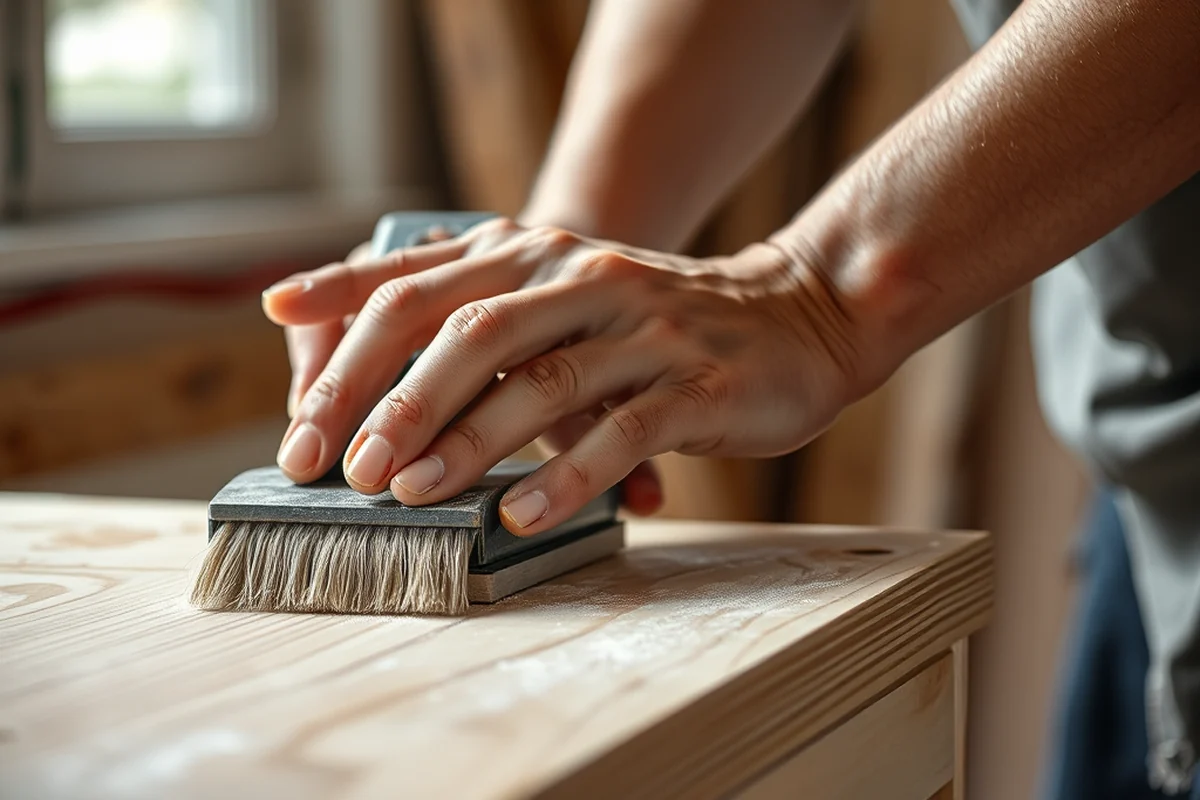
Another tip is to always sand the edges of the plywood after cutting. It helps remove any splinters and makes the edges easier to work with when you’re assembling your project. I’ve found that using a fine-grit sandpaper, like 220 grit, gives the smoothest results and prepares the surface well for painting or staining.[3]
If you're using a router to cut edges or shape the plywood, take your time and go slowly. It’s easy to make a mistake and end up with a rough edge, which can be a pain to fix later. I always take the time to do a test cut first and adjust the settings as needed before moving on to the main project.
Take your time — quality is in the details.
Related: What is a bedroom set
How to Store and Maintain Your Finished Projects
Once your furniture grade plywood project is complete, it’s important to take steps to keep it in top condition. I've found that regular maintenance can extend the life of your furniture and keep it looking great. The first thing I always do is apply a protective finish, like polyurethane or a wood sealant. This helps protect the wood from moisture, scratches, and general wear and tear.
I’ve also learned that keeping your furniture away from direct sunlight and moisture is crucial. Prolonged exposure to sunlight can cause the wood to fade or warp, and moisture can lead to mold or warping. I always make sure to place my furniture in a dry area and avoid putting it near windows or in high-humidity rooms.
For a more hands-on approach, I recommend wiping your furniture with a soft cloth and mild cleaner every few months. This helps remove dust and dirt that can build up over time. I’ve also used a wood conditioner occasionally to keep the surface looking fresh and to prevent the wood from drying out.
💰 Budget Build
Use 3/4 inch furniture grade plywood for a sturdy bookshelf or shelf that fits your budget.
⏱️ Weekend Version
Quickly assemble a simple side table using 1/2 inch furniture grade plywood and minimal tools.
🎨 Upgraded Finish
Apply a wood stain or paint to your furniture grade plywood for a custom, polished look.
🛋️ Small-Space Adaptation
Build a floating shelf or wall-mounted cabinet to maximize small-space storage with furniture grade plywood.
🏠 Rental-Safe Option
Use furniture grade plywood to build temporary or moveable furniture that won’t damage rental properties.
| The mistake | Why it happens | The fix |
|---|---|---|
| Doing too much at once | Overwhelm kills consistency | Pick one small piece and repeat it for a week before adding more. |
| Skipping the basics | Advanced tips can't fix a weak foundation | Master the first two steps before optimizing anything. |
Furniture Grade Plywood
Common Questions
Can I use furniture grade plywood for outdoor furniture?
What tools do I need to work with furniture grade plywood?
Is furniture grade plywood easy to cut?
How long does furniture grade plywood last?
References
- Hardwood timber product markets: a focus on small-diameter - USDA (srs.fs.usda.gov)
- Publication 4434 November 2013 - USITC (usitc.gov)
- Wood Dust and Formaldehyde - NCBI - NIH (ncbi.nlm.nih.gov)
Cite this guide
DIY Furniture with Mdf (2026). Furniture Grade Plywood. https://mdfcreate.com/furniture-grade-plywood/
Feel free to cite or share this guide.