
Furniture From Mdf
📖 Table of Contents
- What Is MDF and Why It's Perfect for DIY Furniture
- Getting Started: Your First MDF Project
- Cutting and Shaping MDF Like a Pro
- Painting and Staining MDF for a Professional Finish
- Assembling Your MDF Furniture: Tips and Tricks
- Finishing Touches: Adding Personality to Your MDF Furniture
- Maintaining and Caring for Your MDF Furniture
- Make It Your Way
- Frequently Asked Questions
I still remember the first time I stood in my garage, surrounded by stacks of MDF sheets, unsure of what I was getting myself into. MDF — medium-density fiberboard — isn’t exactly the glamorous material you see in high-end furniture stores, but it’s got a magic all its own. It’s affordable, easy to work with, and more versatile than I ever gave it credit for. Whether you’re a total beginner or someone who’s dabbled in woodworking before, MDF can be your gateway to making furniture that looks and feels like it belongs in your home.[5]
When I first started experimenting with MDF, I was worried it would be flimsy or hard to shape. I was wrong on both counts. What surprised me most was how well it held up under sanding, painting, and even some light assembly. I built my first MDF shelf in a single weekend, using just a few tools and a modest budget. It turned out so well that I actually ended up giving it as a gift to a friend — and they still use it every day.
Now, I can’t imagine building furniture without MDF. It’s not the most glamorous material, but it’s practical, forgiving, and incredibly adaptable. From bookshelves to coffee tables, MDF has become the go-to choice for my DIY projects. If you’re considering furniture from MDF, you’re in for a journey that’s both rewarding and surprisingly simple.
Why You'll Love This Project
- Affordable and accessible materials for all skill levels
- Quick project turnaround with minimal tools required
- Customizable to fit any style or space
- Durable and versatile when properly finished
What Is MDF and Why It's Perfect for DIY Furniture
As of August 2026, MDF stands for medium-density fiberboard, and it’s made by combining wood fibers with adhesive under high pressure. This process gives MDF a smooth, uniform surface that’s ideal for painting or staining. Unlike traditional wood, which can be tricky to work with and prone to splintering, MDF is stable and predictable. This makes it an excellent choice for beginners or anyone looking to build furniture quickly without a lot of frustration.[1]
One of the biggest advantages of MDF is its affordability. A standard sheet of MDF can be purchased for around $15 to $20, depending on the thickness and size. This makes it a budget-friendly option for anyone wanting to build furniture without breaking the bank. Plus, because it’s lightweight, it’s easier to move and handle, which is a huge plus when you’re working in a small space or have limited storage.[2]
Another benefit of MDF is that it can be easily shaped and customized. It cuts cleanly with a saw and sands smoothly, which means you can achieve professional-looking results without needing advanced tools or techniques. If you’re looking for a material that’s both practical and affordable, MDF is a solid choice for any DIY furniture project.
When buying MDF, opt for 3/4-inch thickness for most furniture projects. It's sturdy enough to hold weight and easy to work with.
Getting Started: Your First MDF Project
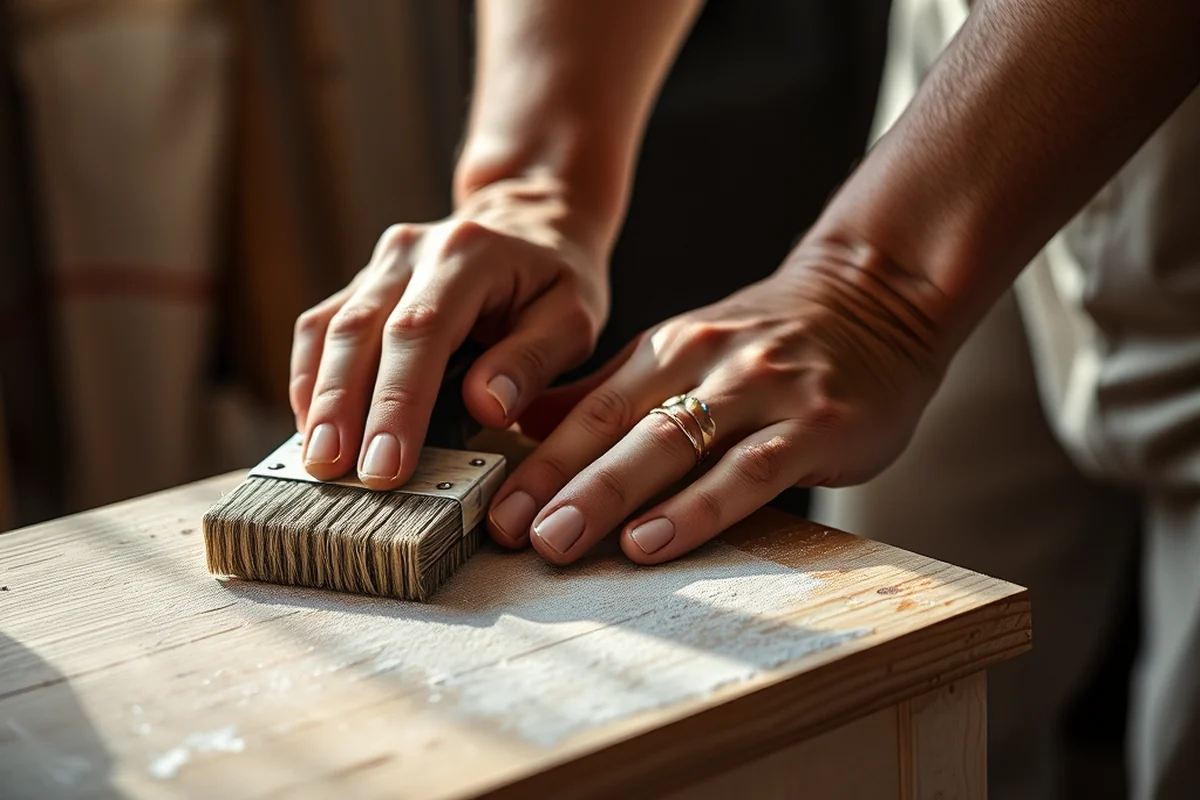
Your first MDF project doesn’t have to be complicated. A simple bookshelf or side table is a great way to get started and build confidence. I recommend beginning with a small project that only requires a few pieces and a basic set of tools. This way, you can focus on the fundamentals of cutting, assembling, and finishing without feeling overwhelmed.[3]
When I first started, I used a circular saw and a hand drill to cut and assemble my first bookshelf. It was simple, and I was able to complete it in less than a day. The key is to take your time and follow each step carefully. Even though MDF is easy to work with, it’s still important to measure twice and cut once to avoid mistakes.
Once you’ve mastered the basics, you can move on to more complex projects. The beauty of MDF is that it allows you to experiment and learn at your own pace. Whether you’re building a coffee table or a full-sized cabinet, MDF gives you the flexibility to create something that fits your needs and style.
Start small, but start with confidence.
Related: Diy mdf wall panelling
Related: Diy mdf accent wall
Related: Mdf furniture safety
Related: How To Make Mdf Waterproof
Related: How To Repaint Mdf Furniture
Cutting and Shaping MDF Like a Pro
Cutting MDF requires a few simple tools, but it’s important to use the right ones to get the best results. A circular saw or a jigsaw is ideal for making straight or curved cuts, while a hand saw can be used for smaller pieces. It’s also a good idea to use a guide or ruler to ensure your cuts are straight and precise.
When I was first learning, I found that using a straight edge or a guide helped me make cleaner cuts and avoid jagged edges. I also used a sanding block after each cut to smooth out any rough spots before assembling the pieces. This not only made the project look better but also made it easier to paint or stain later.
Another tip is to use a dust collection system if you’re working with a power saw. MDF produces a lot of fine dust, which can be harmful if inhaled. Taking the time to use proper dust control is an important step in any MDF project.
After cutting MDF, use a fine-grit sandpaper to smooth the edges and surfaces. This will make painting or staining much easier.
“I still remember the first time I stood in my garage, surrounded by stacks of MDF sheets, unsure of what I was getting myself into.”— DIY Furniture with Mdf editors
Related: Why is mdf furniture so expensive
Related: Furniture mdf
Related: Diy mdf shaker cabinet doors
Painting and Staining MDF for a Professional Finish
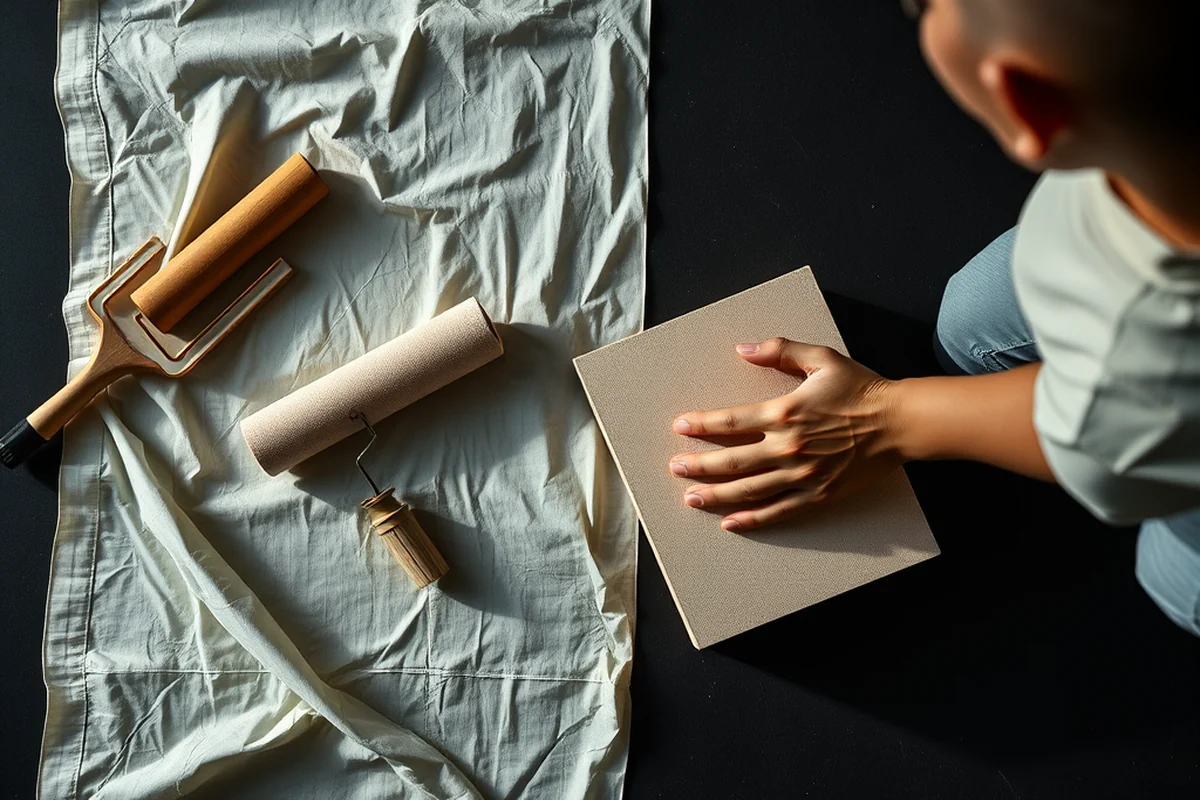
One of the biggest advantages of MDF is how well it takes paint or stain. Unlike some woods that can be tricky to work with, MDF has a smooth, even surface that allows paint to adhere evenly. The key is to prepare the surface properly before applying any finish.
I always start by sanding the MDF with medium-grit sandpaper to remove any imperfections and create a smooth surface. Then, I wipe the surface down with a damp cloth to remove any dust or debris. This helps the paint or stain stick better and look more even. After that, I apply a primer to ensure the finish lasts longer.
Once the primer is dry, I apply two to three coats of paint or stain, allowing each coat to dry completely before applying the next. Using a high-quality brush or a spray gun can make a big difference in the final result. If you’re looking for a durable, long-lasting finish, I recommend using a water-based polyurethane sealant after the paint is dry.[4]
Related: Diy furniture with mdf
Related: Diy mdf cupboard doors
Related: Diy mdf board and batten
Assembling Your MDF Furniture: Tips and Tricks
Assembling MDF furniture is similar to working with other types of wood, but there are a few tricks that can help you achieve better results. The most important thing is to use the right hardware, like screws and brackets, to ensure your furniture is strong and stable.
When I built my first MDF shelf, I used wood screws and corner brackets to keep everything secure. I also made sure to pre-drill holes to avoid splitting the MDF. This is especially important if you’re using thick screws or working with thinner sheets of MDF.
Another tip is to use wood glue in addition to screws. This can help reinforce the joints and make the furniture even more durable. If you’re building something like a table or a cabinet, it’s also a good idea to use dowels or cam locks to keep the pieces aligned properly.
Related: Furniture mdf material
Related: Diy mdf board
Related: Mdf furniture diy
Finishing Touches: Adding Personality to Your MDF Furniture
Once your furniture is assembled and painted, it’s time to add the finishing touches that make it unique. This is where you can really let your creativity shine. Whether you’re adding decorative hardware, using a different color, or adding a border, these small details can make a big difference in the overall look of your furniture.
I love using decorative pulls or knobs to dress up my MDF cabinets and shelves. These can be purchased at most hardware stores and come in a variety of styles and finishes. You can also add a border or trim to the edges of your furniture to give it a more polished look.
Another great way to add personality is to use a different finish on different sections of your furniture. For example, you could paint the top of a table a bold color while keeping the rest of the table in a neutral tone. This allows you to create a piece that’s both functional and stylish.
Don’t be afraid to get creative with your design choices.
Related: Diy mdf cabinet doors
Related: Mdf furniture cornice
Maintaining and Caring for Your MDF Furniture
MDF furniture is surprisingly durable, but it’s still important to take proper care of it to ensure it lasts for years. One of the best ways to maintain your MDF furniture is to avoid exposing it to excessive moisture or direct sunlight. MDF can warp or swell if it gets too wet, so it’s best to keep it away from areas with high humidity.
Another tip is to clean your MDF furniture regularly with a soft cloth and mild soap. This helps remove dust and dirt without damaging the finish. If you notice any scratches or chips, you can use a wood filler or touch-up paint to repair them before they become more noticeable.
If you’ve painted your MDF furniture, it’s also a good idea to apply a clear sealant to protect the surface. This will help prevent the paint from chipping or fading over time. With proper care, your MDF furniture can look just as good as the day you finished it.
💰 Budget Build
A simple, no-frills MDF shelf that costs under $30 and can be built in under two hours.
⏱️ Weekend Version
A quick MDF coffee table that can be built and finished in a single day with minimal tools.
✨ Upgraded Finish
A more detailed MDF desk with a custom paint job and decorative hardware for a professional look.
🛋️ Small-Space Adaptation
A compact MDF nightstand designed for small bedrooms with a sleek, modern finish.
🏠 Rental-Safe Option
A removable MDF wall shelf that can be easily disassembled and taken with you when moving.
| The mistake | Why it happens | The fix |
|---|---|---|
| Not sanding the MDF before painting | MDF has a smooth surface, but if you skip sanding, the paint may not adhere properly and could look uneven or peeling over time. | Always sand the MDF with medium-grit sandpaper before applying any paint or stain to ensure a smooth, even finish. |
| Using the wrong type of paint | MDF can absorb a lot of paint, and using the wrong type can lead to a thick, uneven finish or peeling. | Use a water-based paint or a primer specifically designed for MDF to achieve the best results. |
| Not sealing the MDF after painting | Without a sealant, the paint on MDF can chip or fade over time, especially in high-traffic areas. | Apply a clear polyurethane sealant after painting to protect the surface and ensure the finish lasts longer. |
| Overlooking the need for a moisture barrier | MDF is susceptible to warping if exposed to moisture, especially in areas like kitchens or bathrooms. | Use a moisture barrier or sealant on the MDF to help protect it from humidity and prevent warping. |
Furniture From Mdf
Common Questions
Can I use MDF for outdoor furniture?
How do I prevent MDF from warping?
What tools do I need to build MDF furniture?
Can I paint MDF directly without using primer?
Cite this guide
DIY Furniture with Mdf (2026). Furniture From Mdf. https://mdfcreate.com/furniture-from-mdf/
Feel free to cite or share this guide.
References
- Properties of medium density fiberboards made from renewable ... (bioprocessing.ag.utk.edu)
- Medium density fiberboard (MDF) Research Papers - Academia.edu (academia.edu)
- Publications - Carl Eckelman - Purdue College of Agriculture (ag.purdue.edu)
- Interaction Design - Cornell | ARL (arl.human.cornell.edu)
- Mike Markwardt, BBA '81 - Baylor Business Review | Fall 2025 Issue (bbr.baylor.edu)