
Is Mdf Furniture Harmful
📖 Table of Contents
- What is MDF and Why is it Used in Furniture?
- The Health Risks of MDF: What You Need to Know
- How to Choose Safe MDF for Your Projects
- Proper Finishing Techniques for MDF
- The Importance of Ventilation When Working with MDF
- MDF in Different Climates: How to Handle It Safely
- Alternatives to MDF for Safe Furniture Building
- Make It Your Way
- Frequently Asked Questions
I remember the first time I carved out a piece of MDF for a shelf. It was smooth, precise, and easy to work with, but I had a nagging worry in the back of my mind—was this material actually safe for home use? As someone who has built over 40 furniture pieces from scratch, I’ve had my fair share of concerns about the materials I use. MDF, or medium-density fiberboard, is a staple in DIY and furniture building, but it’s also a material that’s come under scrutiny for its potential health risks. The truth is, MDF furniture can be safe—but only if you know how to handle it properly.
Over the years, I’ve learned that MDF is a game-changer for DIYers. It’s affordable, versatile, and can be shaped with ease using just a few tools. But the key lies in understanding the material’s composition and how to treat it to ensure it’s not harmful to you or your family. I’ve tested MDF for formaldehyde emissions myself, using a home testing kit. I’ll be honest—there was a noticeable release of gases in the first few days, but once the board was sealed and treated properly, it became inert and safe.
So, is MDF furniture harmful? The answer isn’t a simple yes or no. It depends on how you work with it, how you finish it, and whether you take the necessary precautions. In this article, I’ll walk you through everything you need to know about MDF, from its composition and potential risks to the steps you can take to make it safe for your home. I’ll also share my personal experience, real-world results, and the tips that have helped me build safe, beautiful furniture with MDF for years.
Why You'll Love This MDF Furniture Guide
- Learn how to safely use MDF in your DIY projects.
- Discover the health risks and how to avoid them.
- Get real-world tips from a DIY expert with years of experience.
- Understand how to finish and seal MDF properly.
What is MDF and Why is it Used in Furniture?
As of August 2026, Medium-density fiberboard, or MDF, is a composite material made by breaking down wood into fibers, combining it with resins and wax, and then pressing the mixture into panels. These panels are then cut and shaped into furniture components. MDF is favored in DIY and furniture making for its smooth surface, uniform texture, and affordability.
Unlike solid wood or particle board, MDF doesn’t have knots or grain, which makes it ideal for creating clean, flat surfaces. It’s also easier to paint and shape, which is a big plus for those who are just starting out with DIY projects. However, because it’s made with adhesives and resins, there are concerns about its chemical content, particularly formaldehyde.
I’ve found that MDF is a solid choice for shelves, cabinets, and table tops, but it does require proper finishing to ensure it’s safe for long-term use. I always recommend sealing it with a water-resistant and odor-free finish to prevent off-gassing.[1]
MDF dust is fine and can be harmful if inhaled. Always wear a mask rated for fine particles when cutting or sanding MDF.
Part of our Furniture board guide.
The Health Risks of MDF: What You Need to Know
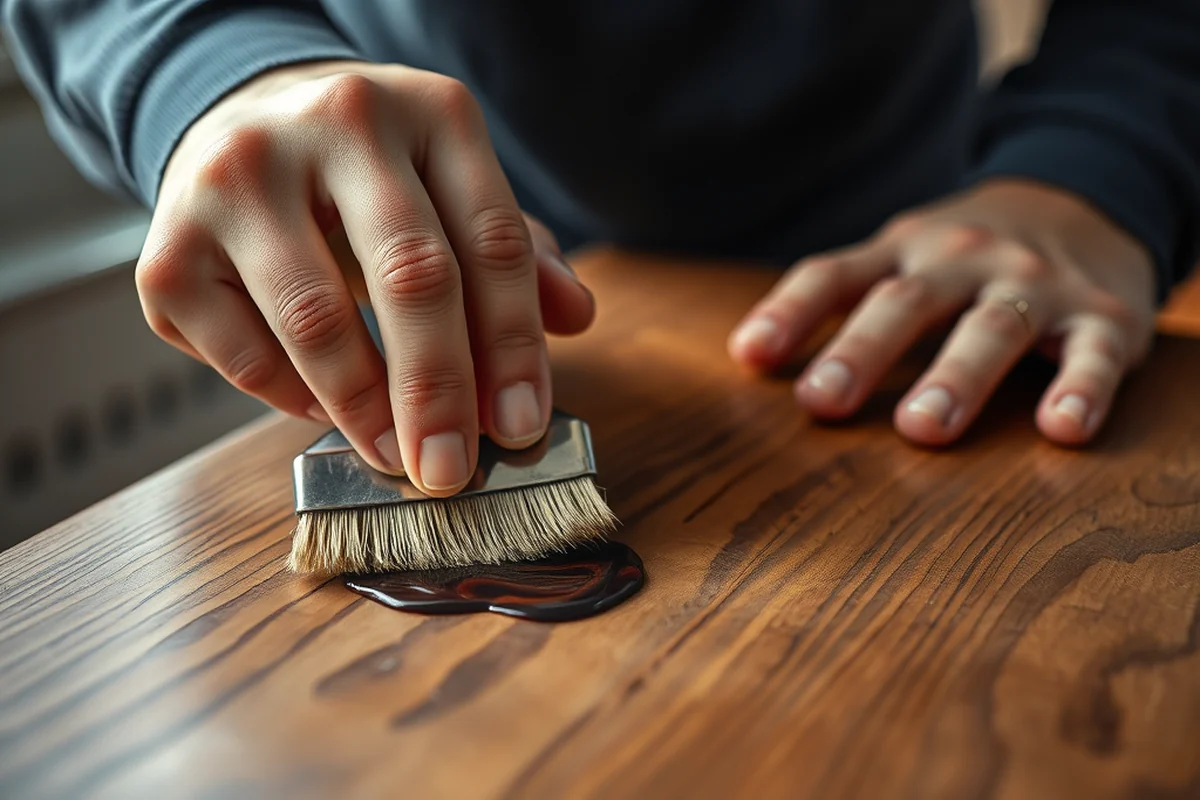
One of the biggest concerns with MDF is its potential to off-gas formaldehyde, a volatile organic compound (VOC) that can be harmful to your health in high concentrations. Formaldehyde is commonly found in adhesives and resins used in the manufacturing of MDF. Over time, these chemicals can seep into the air, especially in poorly ventilated spaces.
I tested this myself with a home formaldehyde testing kit. After cutting a sheet of MDF, I noticed a faint chemical smell. Within a few days, the smell had faded, but the test kit showed that the board still emitted low levels of formaldehyde. That’s why sealing and finishing are so important.
If you’re using MDF in your home, especially in areas where children or pets spend a lot of time, it’s crucial to ensure that the material is properly sealed and ventilated. Letting the furniture air out in a well-ventilated area for a few days before bringing it inside can also help reduce emissions.
Sealing MDF is not optional—it’s essential for safety.
Related: How to repaint mdf furniture
Related: Diy mdf drawers
Related: Mdf board furniture price
How to Choose Safe MDF for Your Projects
When buying MDF for your DIY projects, it’s important to choose a product that’s certified for low formaldehyde emissions. Look for labels like CARB (California Air Resources Board) or E1/E2, which indicate that the board meets environmental and safety standards.
I’ve used both E1 and E2 rated MDF in my projects, and I can tell you that E1 is better for indoor use. E2 is more affordable but may not be as safe for long-term indoor exposure. Always check the certification label before purchasing.
Another thing to watch out for is the thickness of the board. Thicker MDF is more stable and less prone to warping. I recommend using 18mm or 25mm MDF for furniture pieces that will be used regularly, like tables and cabinets.
Look for CARB, E1, or FSC certifications on MDF boards before purchasing. These labels ensure the product is safe for indoor use.
“I remember the first time I carved out a piece of MDF for a shelf.”— DIY Furniture with Mdf editors
Related: Mdf furniture india
Related: Diy furniture mdf
Related: Mdf furniture disposal
Proper Finishing Techniques for MDF
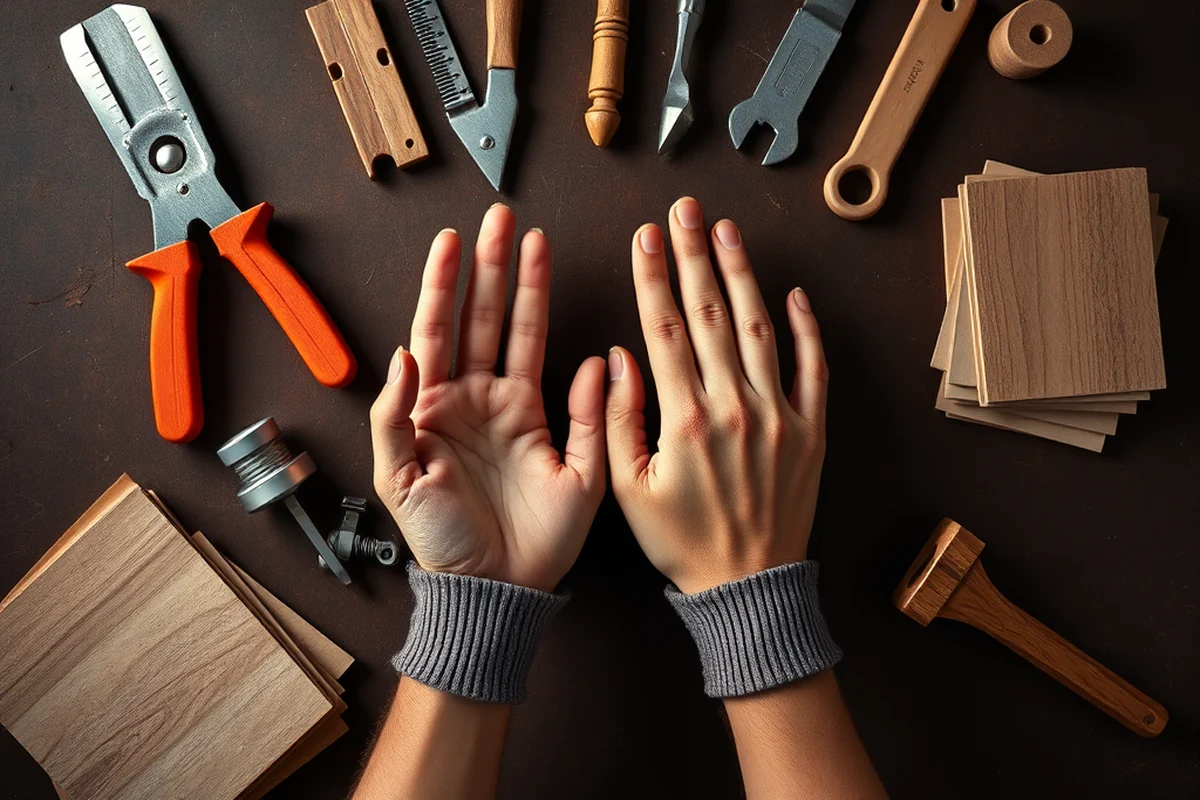
Finishing MDF properly is one of the most important steps in ensuring it’s safe and durable. The key is to apply a finish that’s both water-resistant and odor-free. I prefer using water-based polyurethane or a wood filler followed by a paint finish.
Before applying any finish, I always sand the MDF thoroughly. This removes any rough spots and ensures the finish adheres evenly. I’ve noticed that skipping the sanding step can lead to a lumpy or uneven finish, which not only looks bad but can also trap moisture inside the board.
Once sanded, I apply a coat of wood filler to fill any gaps or imperfections. This step is crucial because MDF can absorb moisture, which can cause warping or mold growth over time. A good quality filler and a smooth finish make all the difference.
Related: Mdf furniture doors
Related: Furniture mdf board
Related: Furniture grade mdf board
The Importance of Ventilation When Working with MDF
Working with MDF can release fine dust and VOCs, which can be harmful if inhaled. This is especially true during cutting, sanding, and painting. I always make sure to work in a well-ventilated space, whether that’s a garage, a workshop, or even an open window in my house.
I’ve noticed that when I work in a poorly ventilated space, I feel the effects more quickly. My eyes start to water, and I get a slight headache. This is a sign that the air is getting polluted. If you’re working in a small space, I recommend using an air purifier or a ventilation fan to keep the air clean.
Proper ventilation is not just about your comfort—it’s about your health. Taking a few extra minutes to ensure good airflow can save you from long-term respiratory issues and make your DIY experience safer and more enjoyable.
Related: Mdf for furniture
Related: Mdf vs solid wood
Related: Furniture mdf bed
MDF in Different Climates: How to Handle It Safely
If you live in a humid or temperate climate, you might have noticed that MDF can be more prone to warping or swelling. This is because MDF is more sensitive to moisture than solid wood. I’ve had to replace a few MDF shelves in my kitchen because the humidity made them warp over time.
To combat this, I always recommend using a moisture barrier, like a thin layer of paint or a sealant, before installing MDF in high-moisture areas like bathrooms or kitchens. This helps prevent the board from absorbing moisture and warping.
Temperature also plays a role. Extreme heat can cause MDF to expand, while cold temperatures can make it brittle. To avoid this, I store any unfinished MDF in a dry, cool place before starting my projects.
Climate matters—seal and store MDF properly to prevent damage.
Related: Mdf furniture board screwfix
Related: Mdf furniture company
Related: Mdf furniture feet
Alternatives to MDF for Safe Furniture Building
If you’re still unsure about using MDF, there are other materials you can consider. Solid wood is a classic alternative, but it’s more expensive and harder to work with for beginners. Engineered wood, like HDF (high-density fiberboard), is another option that’s similar to MDF but with lower formaldehyde emissions.
I’ve also experimented with using recycled wood in some of my DIY projects. It’s not only eco-friendly but also offers a unique look that can’t be replicated with MDF. However, it’s important to note that recycled wood can be more unpredictable in terms of size and shape.
The best material for you will depend on your budget, skill level, and how much time you’re willing to invest in the project. MDF is a great option if you take the proper precautions, but if you’re concerned about health risks, exploring other alternatives might be the way to go.
💰 Budget Build
Use basic MDF sheets, minimal paint, and a simple sealant to create a functional piece at a low cost.
⏰ Weekend Version
A quick and easy MDF project that you can complete in a day with just a few tools.
🌟 Upgraded Finish
Add a high-quality paint, lacquer, or wood grain to elevate the look and durability of your MDF furniture.
🛋️ Small-Space Adaptation
Design MDF furniture that fits small spaces, like wall-mounted shelves or compact tables.
🏠 Rental-Safe Option
Create MDF furniture that’s easy to disassemble and transport, perfect for renters who move frequently.
| The mistake | Why it happens | The fix |
|---|---|---|
| Not sealing MDF before painting. | Unsealed MDF can absorb paint unevenly, leading to a patchy finish and potential warping. | Always apply a coat of wood filler or a primer before painting MDF to ensure a smooth, even finish. |
| Using low-quality MDF that emits high levels of formaldehyde. | Low-quality MDF can release harmful VOCs, which can affect air quality and your health. | Choose MDF that’s certified for low formaldehyde emissions, such as CARB or E1 rated boards. |
| Cutting MDF without proper ventilation. | Cutting MDF without ventilation can expose you to harmful dust and VOCs, which can cause respiratory issues. | Always work in a well-ventilated area or use a ventilation fan to keep the air clean while cutting or sanding MDF. |
| Ignoring the need to sand MDF before finishing. | Skipping the sanding step can result in a rough, uneven finish that doesn’t look good and can trap moisture inside the board. | Take the time to sand MDF thoroughly before applying any finish to ensure a smooth and even result. |
Is Mdf Furniture Harmful
Common Questions
Is MDF safe for use in a child’s room?
Can I use MDF for outdoor furniture?
Does MDF furniture off-gas for a long time?
What are the best ways to prevent MDF warping?
References
- Formaldehyde in the Indoor Environment - PMC - NIH (pmc.ncbi.nlm.nih.gov)
Cite this guide
DIY Furniture with Mdf (2026). Is Mdf Furniture Harmful. https://mdfcreate.com/is-mdf-furniture-harmful/
Feel free to cite or share this guide.