
What Is Japandi Furniture
📖 Table of Contents
- What Is Japandi Furniture?
- Key Characteristics of Japandi Furniture
- How to Incorporate Japandi Design into Your Space
- Why Japandi Design Works for DIY Projects
- Creating a Japandi-Friendly Space
- The Benefits of Japandi Design in Your Home
- How to Get Started with Japandi Furniture
- Make It Your Way
- Frequently Asked Questions
I remember the first time I stumbled across a Japandi-style coffee table at a local furniture show. It was a simple, minimalist piece with clean lines, a natural wood finish, and a soft, muted color palette. I was immediately drawn to its calm, balanced aesthetic. Japandi furniture is the result of blending two distinct design philosophies — Japanese minimalism and Scandinavian functionality — to create something that's both serene and practical. It's not about flashy decor or overwhelming textures, but rather about thoughtful, intentional design that stands the test of time.[1]
What makes Japandi furniture stand out is its emphasis on simplicity and harmony. I've found that when I incorporate Japandi elements into my own DIY projects, the result is a space that feels both peaceful and organized. It’s not about having everything; it’s about having what you need, and having it in a way that feels effortless. Whether I'm building a shelf or sanding down a table, I always keep the Japandi ethos in mind — less is more, and every piece should serve a purpose.[2]
For anyone interested in DIY furniture, Japandi offers a great starting point. It’s a design style that’s easy to implement, even for those with limited experience. I’ve built several Japandi-style pieces over the years, and each one has taught me something new about the balance between form and function. Whether you're looking to create a peaceful corner in your home or simply want a more intentional approach to furniture, Japandi is a style that’s both beautiful and practical.
Why You'll Love This Japandi Furniture Guide
- Discover a design style that blends simplicity and functionality seamlessly.
- Learn how to create furniture that feels calm and organized in any space.
- Understand the balance between form and function that defines Japandi design.
- Gain practical tips and techniques for DIY furniture with MDF.
What Is Japandi Furniture?
As of September 2026, Japandi furniture is the marriage of two distinct design philosophies — Japanese minimalism and Scandinavian functionality. The result is a style that values clean lines, natural materials, and a muted color palette. I’ve found that this blend works especially well for DIY projects, as it allows for a lot of creative freedom without sacrificing practicality. Whether you're building a shelf or a coffee table, the Japandi aesthetic is all about creating a sense of calm and balance in your space.
One of the things I love about Japandi design is that it’s not overly decorative or complicated. Instead, it focuses on simplicity and utility. I’ve used this approach in several of my DIY projects, and each time, the result has been a piece that feels both beautiful and functional. The key is to use natural materials like wood and to keep the color palette soft and neutral, avoiding anything too bold or overwhelming.
Another benefit of Japandi furniture is that it’s highly adaptable. I’ve built several different types of pieces using this style, from side tables to bookshelves, and each one has worked well in different spaces. The beauty of Japandi is that it can be both modern and timeless, making it a great choice for anyone looking to create a space that feels serene and intentional.
When building Japandi furniture with MDF, focus on clean lines and natural finishes. A few coats of sanding and a matte wood stain can give your piece a timeless look.
Part of our Furniture board guide.
Key Characteristics of Japandi Furniture
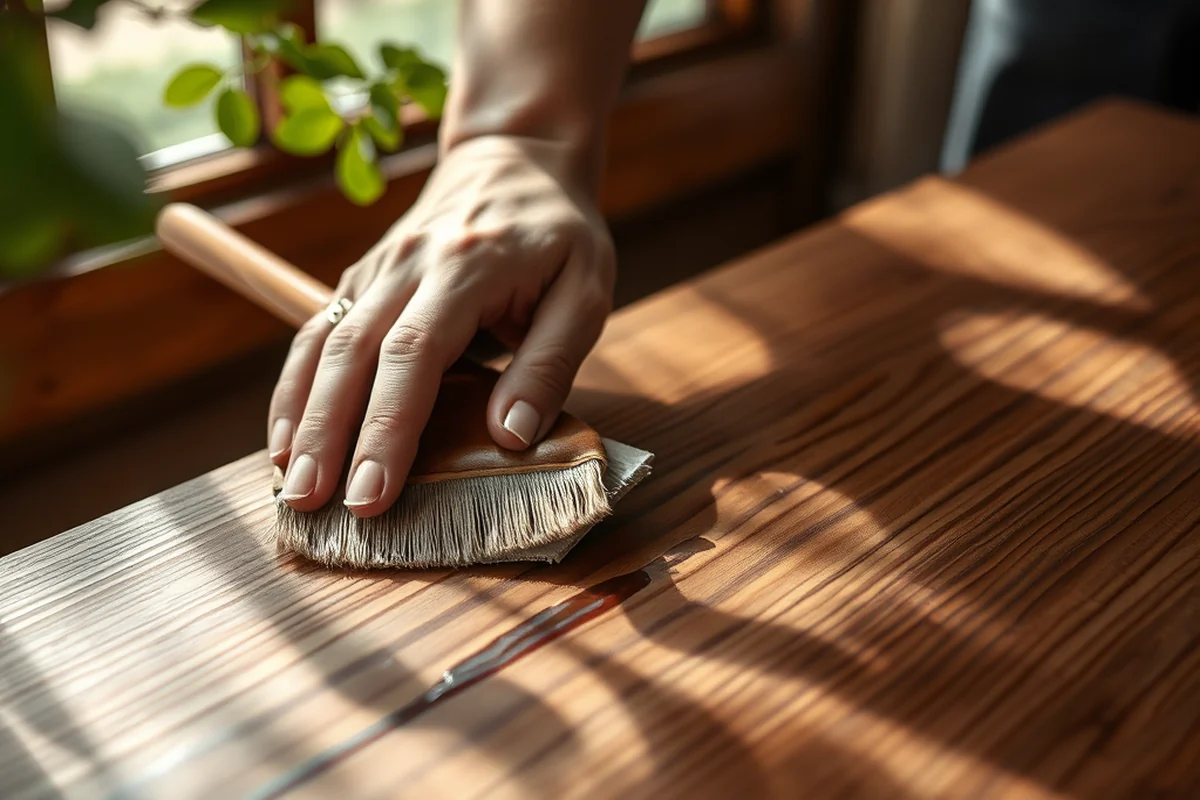
One of the most defining features of Japandi furniture is its use of clean lines and minimal ornamentation. I’ve found that when I build pieces with this in mind, the result is always a space that feels more open and peaceful. The furniture itself often has a simple, geometric shape, and the focus is on the materials rather than the design.
Natural materials are a key part of the Japandi aesthetic. I’ve used MDF, reclaimed wood, and even concrete in my DIY projects, and each material has a different feel. MDF, in particular, is a great option for those who are just starting out with DIY furniture, as it’s easy to work with and can be painted or stained to match the Japandi style.
The color palette of Japandi furniture is usually soft and neutral. I’ve used shades like beige, gray, and white in several of my projects, and each time, the result has been a piece that feels calm and timeless. This is especially important in small spaces, where a neutral color palette can help make the area feel larger and more inviting.
Japandi is about harmony, not perfection.
Related: Is tv stand a furniture
How to Incorporate Japandi Design into Your Space
When I want to create a Japandi-style space, I start by choosing the right materials. I’ve used MDF, wood, and even stone in my DIY projects, and each material brings a different kind of warmth to the space. The key is to avoid anything too flashy or complicated — Japandi is all about simplicity and balance.
Color is another important element. I’ve found that using a soft, neutral color palette helps create a sense of calm and harmony in the space. Whether I’m painting a shelf or staining a table, I always go for a muted tone that complements the natural materials and keeps the overall look cohesive.
Clean lines and minimal ornamentation are also essential. I’ve noticed that when I design with this in mind, the result is always a space that feels more open and peaceful. Whether I’m building a coffee table or a bookshelf, I always make sure that the design is simple and functional.
When creating Japandi furniture, use natural materials like wood or MDF to keep the look authentic and timeless.
“I remember the first time I stumbled across a Japandi-style coffee table at a local furniture show.”— DIY Furniture with Mdf editors
Related: Is a sofa bed a couch
Why Japandi Design Works for DIY Projects
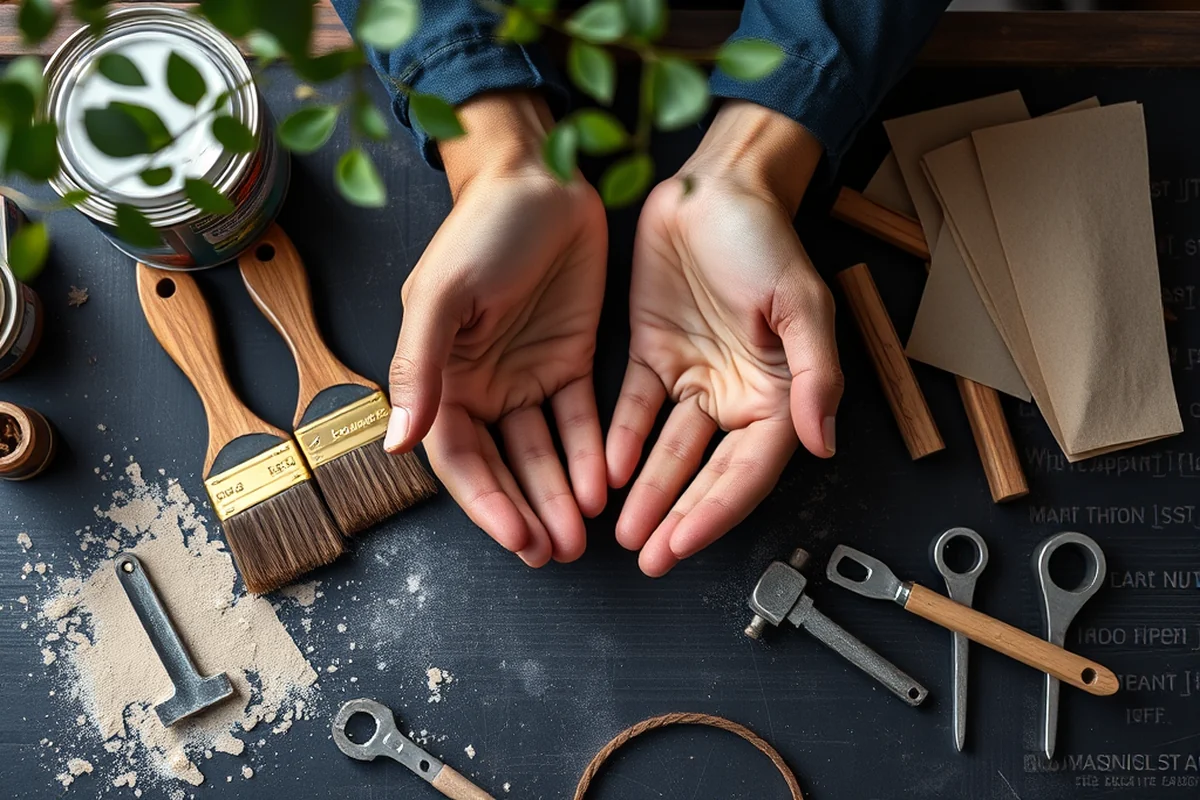
One of the reasons I love Japandi design for DIY projects is that it’s very adaptable. I’ve used this style in a variety of different spaces, from small apartments to large living rooms, and it always works well. The key is to focus on simplicity and functionality, which makes it a great choice for those who are just starting out with DIY furniture.
Another benefit of Japandi design is that it uses materials that are easy to work with. I’ve found that MDF is a great option for beginners, as it’s affordable, easy to cut, and can be painted or stained to match the Japandi style. This makes it a great choice for anyone looking to create a piece of furniture that feels both beautiful and functional.
The simplicity of Japandi design also makes it a great choice for those who are just starting out with DIY. I’ve built several different types of furniture using this style, and each time, the process has been straightforward and rewarding. Whether you're building a shelf or a coffee table, Japandi design is a great way to create a piece that feels calm and intentional.
Related: What is contemporary furniture
Creating a Japandi-Friendly Space
Related: What is furniture consignment
The Benefits of Japandi Design in Your Home
One of the main benefits of Japandi design is that it creates a sense of calm and balance in your home. I’ve noticed that when I use this style in my DIY projects, the result is always a space that feels more peaceful and organized. This is especially important in small spaces, where a neutral color palette and simple design can help make the area feel larger and more inviting.
Another benefit of Japandi design is that it’s highly adaptable. I’ve used this style in a variety方面 of spaces, from small apartments to large living rooms, and it always works well. The key is to focus on simplicity and functionality, which makes it a great choice for those who are just starting out with DIY furniture.
Japandi design also emphasizes the use of natural materials, which can help create a more authentic and timeless look in your home. I’ve used MDF, wood, and even stone in my DIY projects, and each material brings a different kind of warmth to the space. The key is to avoid anything too flashy or complicated — Japandi is all about simplicity and balance.
Japandi is the perfect balance between form and function.
Related: What is room design
How to Get Started with Japandi Furniture
If you’re new to Japandi furniture, the best place to start is with a simple project like a shelf or a coffee table. I’ve found that using MDF is a great choice for beginners, as it’s affordable, easy to work with, and can be painted or stained to match the Japandi style. This makes it a great choice for anyone looking to create a piece of furniture that feels both beautiful and functional.
Once you’ve built a few simple pieces, you can start experimenting with different materials and designs. I’ve used wood, stone, and even concrete in my DIY projects, and each material brings a different kind of warmth to the space. The key is to focus on simplicity and functionality, which makes it a great choice for those who are just starting out with DIY furniture.
Another great way to get started with Japandi furniture is to look for inspiration. I’ve found that browsing online galleries and visiting local furniture shows can help you get a better sense of what works and what doesn’t. Whether you’re building a shelf or a coffee table, Japandi design is a great way to create a piece that feels calm and intentional.
💰 Budget Build
Create a Japandi-style shelf using MDF, paint, and a few basic tools for under $40.
⏰ Weekend Version
Build a simple Japandi-style coffee table in one weekend with minimal effort and materials.
✨ Upgraded Finish
Take your Japandi furniture to the next level with a natural wood stain and a smooth finish.
🏠 Small-Space Adaptation
Create a Japandi-style side table that fits perfectly in small apartments or compact living areas.
🔒 Rental-Safe Option
Build a Japandi-style console table that’s easy to move and won’t damage rental properties.
| The mistake | Why it happens | The fix |
|---|---|---|
| Using too many decorative elements | Japandi design is all about simplicity, and adding too many decorative elements can make the space feel cluttered and overwhelming. | Stick to a minimalist approach and focus on clean lines and natural materials to maintain the Japandi aesthetic. |
| Ignoring the color palette | Choosing the wrong color palette can disrupt the balance and harmony that define Japandi design. | Use a soft, neutral color palette to help create a calm and timeless look in your space. |
| Using overly complicated designs | Japandi furniture is meant to be simple and functional, and using overly complicated designs can go against the style’s core principles. | Focus on clean lines and minimal ornamentation to create a piece that feels calm and intentional. |
| Not using natural materials | Natural materials like wood and MDF are essential for Japandi furniture, as they help create a sense of warmth and authenticity in the space. | Use natural materials like wood, MDF, or stone to keep the look authentic and timeless. |
What Is Japandi Furniture
Common Questions
What materials are best for Japandi furniture?
How long does it take to build a Japandi-style piece?
What tools are needed for a Japandi DIY project?
Is Japandi furniture suitable for small spaces?
References
- Cabbage Chair | The Art Institute of Chicago (artic.edu)
- A Design Process to Make a Digitally Manufactured Furniture ... (scholarworks.uark.edu)
Cite this guide
DIY Furniture with Mdf (2026). What Is Japandi Furniture. https://mdfcreate.com/what-is-japandi-furniture/
Feel free to cite or share this guide.