
What Is Solid Wood Furniture
📖 Table of Contents
- What Exactly Is Solid Wood Furniture?
- The Pros and Cons of Solid Wood Furniture
- How to Identify Solid Wood Furniture
- Building Your Own Solid Wood Furniture
- Finishing and Sealing Solid Wood Furniture
- Maintaining Solid Wood Furniture
- Where to Buy Solid Wood for DIY Projects
- Make It Your Way
- Frequently Asked Questions
There’s something profoundly satisfying about the way solid wood furniture feels under your hands — the grain, the texture, the weight. I remember the first time I carved a chair leg from a piece of oak: it wasn’t just about the final product. The process, the scent of the wood, the way it responded to the chisel. That’s the magic of solid wood furniture — it’s not just a functional object, it’s a story in the making.[1]
I’ve built everything from dining tables to bookshelves using solid wood, and I’ve learned that the difference between a good piece and a great piece often lies in the material you choose. Solid wood furniture is made from whole pieces of wood, not pressed boards or veneers, which means it has a unique character and durability. But what exactly makes it special, and how can you tell the difference between solid wood and other types of furniture?[2]
If you’re new to DIY furniture, understanding the difference between solid wood and other materials is crucial. It’s not just about aesthetics — it’s about longevity, sustainability, and the kind of furniture you’ll pass down through generations. In this article, I’m sharing everything I’ve learned about solid wood furniture, from what it is to why it’s worth the investment.[3]
Why You'll Love This Guide
- Learn how to identify solid wood furniture with your own eyes and hands.
- Understand the pros and cons of solid wood versus other materials.
- Discover how to build and maintain solid wood furniture like a pro.
- Get inspired by real-life examples of solid wood furniture in action.
What Exactly Is Solid Wood Furniture?
As of October 2026, Solid wood furniture is crafted from a single piece of wood, not from composite materials like particle board or MDF. This means that every table, chair, or cabinet made from solid wood is unique — the grain, knots, and color variations all add to its character. Unlike engineered wood, which can warp or crack over time, solid wood furniture is designed to last for decades with proper care.
When you look at solid wood, you can see the natural patterns in the grain — these are the fingerprints of the tree that made it. Some pieces have a straight, smooth grain, while others have a more dramatic, swirling pattern. No two pieces of solid wood are exactly alike, and that’s part of the charm.
If you’re buying furniture or building your own, it’s important to know that not all wood is created equal. For example, oak is a popular choice for furniture because it’s strong and durable, while maple is known for its smooth surface and light color. Each type of wood has its own properties, and understanding them can help you make better choices.
When purchasing or building solid wood furniture, look at the end grain of the wood. This will show you the quality and density of the material. A tight, even grain pattern is a good sign.
Part of our Furniture board guide.
The Pros and Cons of Solid Wood Furniture

One of the biggest advantages of solid wood furniture is its durability. Unlike particle board or MDF, which can warp, crack, or sag over time, solid wood furniture can last for generations. I’ve had a dining table made from solid oak for over 20 years, and it still looks as good as the day I built it.[4]
Another benefit is the natural beauty of the wood. Each piece of solid wood has its own unique grain and color, which adds character to any room. Unlike painted or laminated furniture, solid wood furniture can be refinished if it ever gets scratched or worn. This means you can update the look of your furniture without having to replace it entirely.
On the downside, solid wood furniture can be more expensive than other types of furniture. It also requires some maintenance — if not properly sealed or protected, it can be susceptible to moisture and warping. However, these issues can be avoided with the right care and attention.
With proper care, solid wood furniture can outlast you.
Related: What is furniture consignment
How to Identify Solid Wood Furniture
If you’re shopping for furniture or building your own, knowing how to identify solid wood is essential. The first thing to look for is the grain — solid wood has a distinct, natural grain pattern that you can see and feel. It’s not smooth and uniform like veneer or particle board, which is often more uniform and flat.
Another clue is the weight of the furniture. Solid wood is heavier than other types of furniture. If you lift a chair or table and it feels light, it might be made from MDF or particle board. Solid wood furniture feels solid in your hands — it has substance and presence.
You can also check the edges of the furniture. If you look at the underside of a table or the back of a chair, you should see the natural wood grain. If it’s covered in a veneer or laminate, it’s not solid wood. This is one of the quickest ways to spot a fake or a composite material.
Hold a magnet up to the wood. If the magnet sticks, it’s likely not solid wood — most particle board and MDF have metal in the core for structural support.
“There’s something profoundly satisfying about the way solid wood furniture feels under your hands — the grain, the texture, the weight.”— DIY Furniture with Mdf editors
Related: What is room design
Building Your Own Solid Wood Furniture
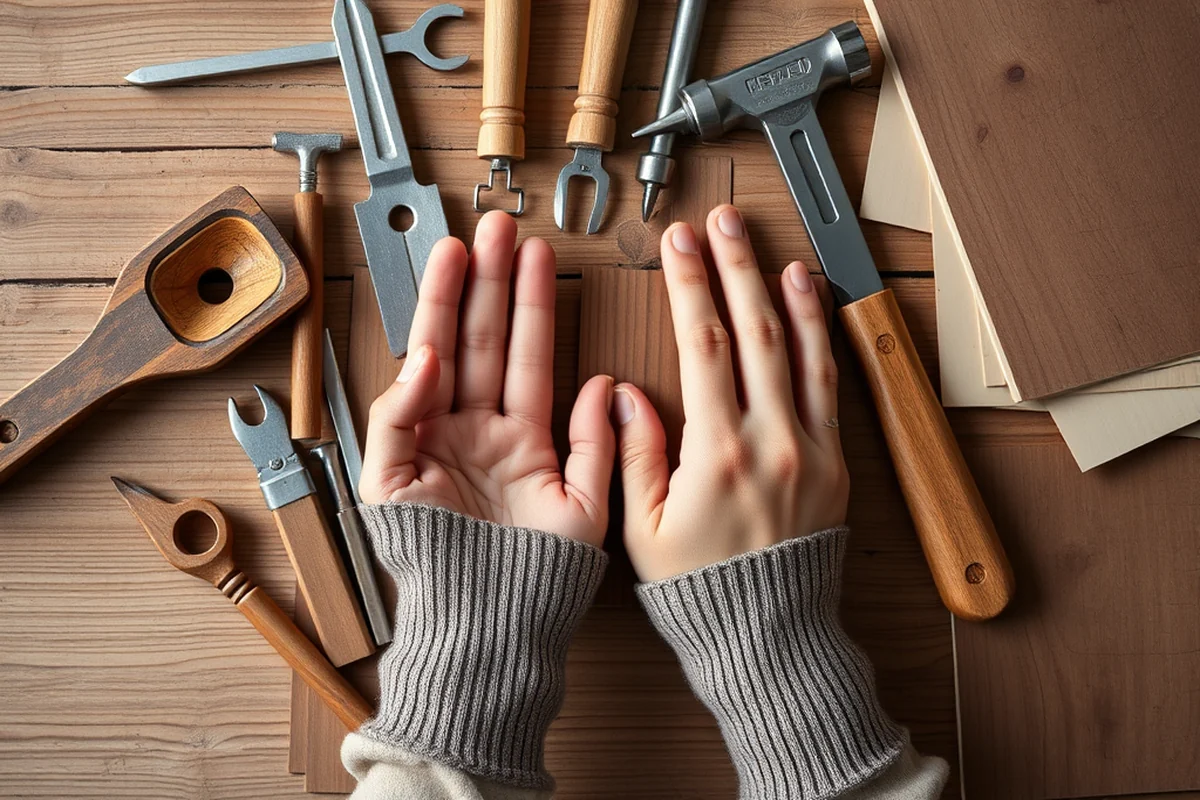
If you’re interested in building your own solid wood furniture, there are a few key steps to follow. First, choose the right type of wood based on your project and budget. Oak is a popular choice for furniture because it’s strong and durable. Maple is another option, known for its smooth surface and light color.
Next, measure and cut the wood to fit your design. It’s important to use the right tools, like a miter saw or a hand saw, to get clean, accurate cuts. Sanding the wood after cutting will help remove any rough edges and prepare it for assembly.
Once the pieces are cut and sanded, you can assemble the furniture using wood glue and clamps. If you're making a table, you might need to attach the legs and the tabletop. If you're making a chair, you’ll need to join the seat, backrest, and legs together.
Related: What is the cloud couch
Finishing and Sealing Solid Wood Furniture
After building your furniture, it’s important to finish and seal the wood. This helps protect it from moisture, scratches, and warping. I’ve used both oil-based and water-based finishes, and both have their advantages. Oil-based finishes tend to be more durable, while water-based finishes dry faster and are easier to clean.
One of the best ways to finish solid wood furniture is to use wood stain followed by a clear coat. This allows you to choose the color and sheen of the finish. I’ve used Minwax wood stain on several projects, and it’s been reliable and easy to work with.
When applying the finish, it’s important to work in a well-ventilated area and to follow the manufacturer’s instructions. Apply the finish in thin, even coats, and allow each coat to dry completely before applying the next. This ensures a smooth, professional-looking finish.
Related: What is a settee furniture
Maintaining Solid Wood Furniture
Once your solid wood furniture is finished and assembled, it’s important to take care of it to ensure it lasts for years. Avoid placing it near heat sources, like radiators or fireplaces, as extreme heat can cause the wood to warp or crack.
If you notice any scratches or dents, you can use a wood filler or touch-up pen to repair them. Regularly dusting the furniture with a soft cloth will help keep it looking new. If you ever need to move the furniture, use felt pads under the legs to prevent scratches on the floor.
Periodically, you can reapply a fresh coat of finish to protect the wood and enhance its appearance. This is especially important if the furniture is in a high-traffic area, like a kitchen or living room.
A little maintenance goes a long way in preserving your solid wood furniture.
Related: What is living room rug
Where to Buy Solid Wood for DIY Projects
If you’re looking to buy solid wood for your DIY projects, there are a few great options to consider. Local hardware stores often carry a variety of wood types, including oak, maple, and walnut. They might also have a small selection of pre-cut wood pieces that are ready to use.
Online retailers like Amazon, Home Depot, and Lowe’s also have a wide selection of solid wood. I’ve found some great deals on pre-cut wood for tables, chairs, and shelves. These stores often offer free shipping and return policies, which makes it easier to experiment with different types of wood.
For more unique or specialty wood, you can look into local lumberyards or specialty wood shops. These places often have a wider variety of wood types and can help you choose the right wood for your project. Some even offer cutting and delivery services, which can save you time and effort.
💰 Budget Build
Use affordable woods like pine or poplar and skip some finish steps to keep costs low.
⏰ Weekend Version
Quick and simple projects like a coffee table or bookshelf that can be built in a single day.
🎨 Upgraded Finish
Add a custom stain or paint to give your furniture a unique, professional look.
🛋️ Small-Space Adaptation
Create compact furniture like a wall-mounted desk or foldable chair to save space.
🏠 Rental-Safe Option
Use easy-to-assemble, lightweight solid wood furniture that’s easy to move and won’t damage rental floors.
| The mistake | Why it happens | The fix |
|---|---|---|
| Choosing the wrong type of wood for your project | Not all woods are suitable for every project. For example, pine is softer and may not be ideal for a heavy-duty table. | Research the different types of wood and choose one that’s appropriate for your project and budget. |
| Not using the right tools for cutting and assembling | Using the wrong tools can lead to inaccurate cuts and weak joints that may break over time. | Invest in the right tools, like a miter saw and clamps, to ensure accurate cuts and strong joints. |
| Skipping the finishing and sealing steps | Without proper finishing, solid wood furniture can be prone to scratches, water damage, and warping. | Always apply a finish and seal the wood to protect it and enhance its appearance. |
| Not measuring and cutting the wood properly | Incorrect measurements can lead to misaligned parts and a poorly constructed piece of furniture. | Take the time to measure and cut the wood accurately, and double-check your measurements before cutting. |
| Overlooking the importance of sanding | Rough, unsanded wood can scratch the finish and make the final product look unfinished. | Always sand the wood after cutting to remove any rough edges and prepare it for finishing. |
What Is Solid Wood Furniture
Common Questions
Is solid wood furniture more expensive than other types of furniture?
Can I refinish solid wood furniture if it gets scratched?
What are the best types of wood for furniture building?
How long does it take to build a solid wood table?
References
- Research on innovative furniture design methods combining ... - PMC (pmc.ncbi.nlm.nih.gov)
- Wooden Bedroom Furniture From China (usitc.gov)
- Forest Products Industries' Economic Contributions - Iowa DNR (iowadnr.gov)
- 2025 NYC Wood Procurement Report (nyc.gov)
Cite this guide
DIY Furniture with Mdf (2026). What Is Solid Wood Furniture. https://mdfcreate.com/what-is-solid-wood-furniture/
Feel free to cite or share this guide.