
What Is Art Deco Style Furniture
📖 Table of Contents
- Origins of Art Deco Style Furniture
- Key Characteristics of Art Deco Style Furniture
- How to Incorporate Art Deco Style in DIY Projects
- Art Deco Style and Modern Interiors
- Materials Used in Art Deco Style Furniture
- The Timeless Appeal of Art Deco Style
- How to Identify Authentic Art Deco Style
- Make It Your Way
- Frequently Asked Questions
I remember the first time I walked into a vintage shop and saw an art deco mirror — its chrome edges and geometric symmetry stopped me dead in my tracks. It wasn’t just the style that caught my eye, but the feeling it gave me: a glimpse into a world where craftsmanship met bold design. That mirror eventually found its way into my home, and since then, I’ve been fascinated by the art deco style furniture that dominates the early 20th century. What is art deco style furniture, you might ask? It's not just about the look, but the story it tells through its lines, materials, and the confidence it exudes.
Art deco style furniture is a celebration of modernity, symmetry, and luxury. Think of streamlined curves, bold geometric shapes, and the use of high-quality materials like lacquered wood, chrome, and glass. It's a design language that emerged from the Roaring Twenties and reached its peak in the 1930s, and I’ve spent years studying and recreating its elements in my own DIY projects. What is art deco style furniture? It’s a fusion of elegance and power, a style that still feels relevant today, especially when crafted with attention to detail and historical accuracy.[1]
In my own journey as a DIY enthusiast, I’ve come to understand that art deco is more than just a visual aesthetic — it's a way of thinking about design that values form and function equally. From the clean lines of a streamlined armchair to the intricate inlays of a mirrored console table, every piece tells a story. What is art deco style furniture? It’s a style that invites you to create something beautiful, something that stands the test of time. And if you're like me, you're probably wondering how to bring that same art deco magic into your own home.[2]
Why You'll Love This Art Deco Style
- It brings a sense of sophistication and historical elegance to any space.
- It’s versatile and can be adapted to both modern and traditional interiors.
- Its geometric and symmetrical designs are incredibly inspiring for DIY projects.
- It offers a timeless look that never goes out of fashion.
Origins of Art Deco Style Furniture
As of October 2026, Art deco style furniture has its roots in the early 20th century, emerging as a direct response to the ornate, flowing designs of the art nouveau period and the mechanized aesthetics of the industrial revolution. It was a style that embraced modernity and luxury, celebrating the power of the machine age while maintaining a level of elegance and sophistication. The design movement was fueled by the optimism of the Roaring Twenties and reached its peak in the 1930s.
In my own research, I found that the name 'art deco' comes from the French 'Arts Décoratifs,' a term used to describe the design exhibitions of the time. It was a movement that spanned architecture, fashion, and furniture, all characterized by a sense of movement, geometric symmetry, and a bold use of color and materials. From the Eiffel Tower to the Chrysler Building, art deco was everywhere, and it left an indelible mark on design history.[3]
For DIYers like me, understanding the origins of art deco style furniture is key to capturing its essence. Whether you're building a vintage-style chair or recreating a streamlined console table, knowing the historical context helps ensure your piece feels authentic and meaningful.
Before starting any project, study historical photos and blueprints of real art deco furniture. This helps you grasp the design nuances and apply them accurately in your DIY work.
Part of our Furniture board guide.
Key Characteristics of Art Deco Style Furniture
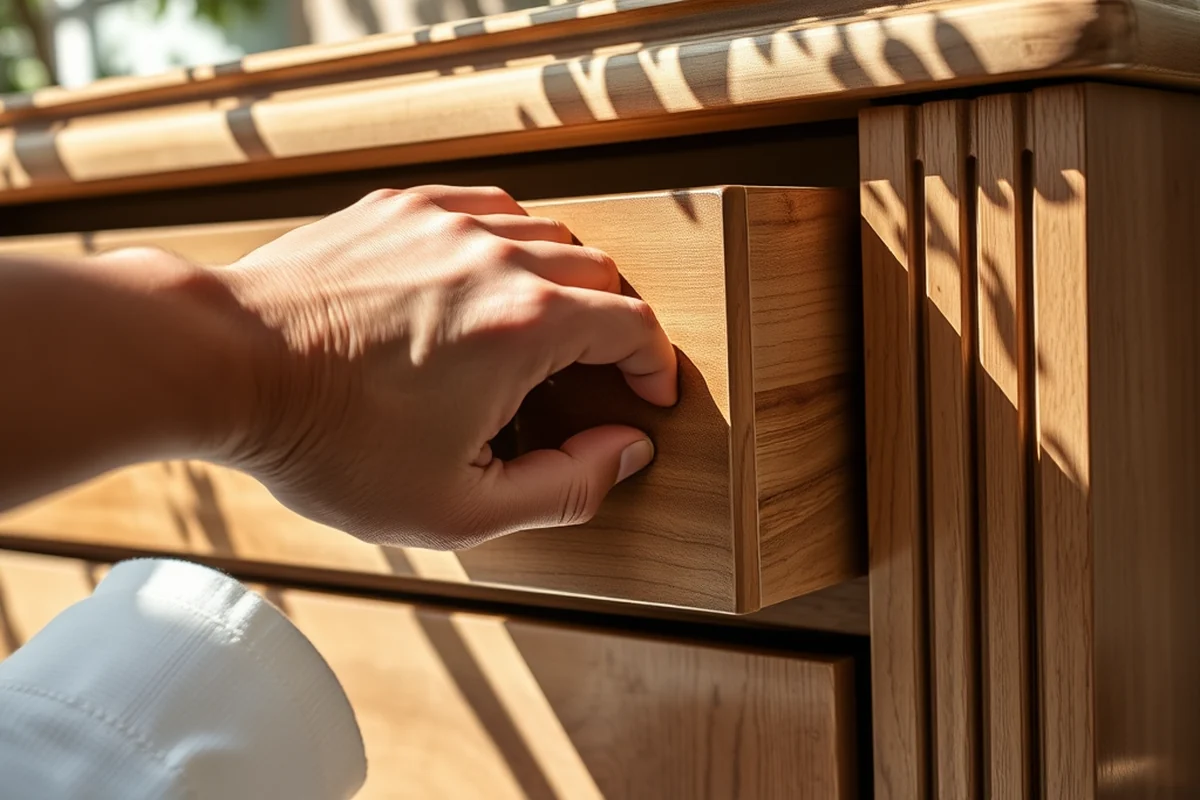
One of the most recognizable features of art deco style furniture is its use of geometric shapes and symmetrical designs. Think clean lines, stepped forms, and angular embellishments. Unlike the flowing curves of art nouveau, art deco embraced sharp edges and symmetry, creating a sense of balance and order. This design language was heavily influenced by the emerging world of modern architecture and the machine age.
In my own experience, I’ve found that the use of materials like lacquered wood, chrome, and glass is essential in capturing the art deco look. These materials were chosen for their durability and ability to reflect light, giving furniture a polished, luxurious appearance. The lacquer finish, in particular, was a hallmark of the period, adding a glossy sheen that enhanced the geometric patterns and bold colors.
Another defining characteristic is the bold use of color and pattern. While many pieces were monochromatic, others featured vivid hues like black, gold, and deep reds. These colors were often used in conjunction with inlaid patterns and decorative motifs, creating a visually striking effect that still resonates today.
Art deco is not just about beauty — it's about power and precision.
Related: Furniture store outlet directories
How to Incorporate Art Deco Style in DIY Projects
If you're new to art deco style furniture, start with the basics. Look for designs with clean, angular lines and symmetrical elements. You can create a simple but effective art deco piece by using a rectangular frame and adding angular details, such as a stepped base or a sculpted backrest. These elements give a piece its signature look without being overly complicated.
I recently built a small art deco-style side table using MDF and a chrome finish. The key was to focus on the lines — I made sure the top and legs were perfectly aligned, and the edges were sharp and symmetrical. Even with a budget-friendly material like MDF, the result was elegant and true to the art deco aesthetic.
When working with materials, don’t be afraid to experiment with lacquer and chrome. These materials are not only visually striking but also durable. You can find affordable chrome plating kits and lacquer finishes that will give your DIY project the polished look of a vintage piece.
Invest in a quality lacquer or chrome plating kit to give your DIY art deco piece that authentic, high-end look. These finishes are what set art deco apart from other design styles.
“I remember the first time I walked into a vintage shop and saw an art deco mirror — its chrome edges and geometric symmetry stopped…”— DIY Furniture with Mdf editors
Related: Afw furniture warehouse
Art Deco Style and Modern Interiors
One of the most appealing things about art deco style furniture is its adaptability. Unlike some vintage styles that feel outdated, art deco has a timeless quality that works well in both traditional and modern settings. Its clean lines and geometric designs can complement minimalistic interiors, while its bold use of color and material can add drama to more eclectic spaces.
I’ve found that pairing an art deco-style chair with a modern, neutral sofa creates a striking contrast that elevates the room. The chair becomes a focal point, while the rest of the space remains balanced and contemporary. This approach allows you to incorporate art deco without overwhelming the design of the room.
Another way to blend art deco with modern decor is through the use of color. While art deco often featured bold colors, you can tone them down by using a neutral base and adding art deco accents through furniture or decor. This way, you can enjoy the style without feeling like you're stepping back in time.
Related: How to make mdf drawers
Materials Used in Art Deco Style Furniture
When I was researching art deco style furniture, I discovered that the materials used were as important as the design itself. Lacquered wood was a key element, providing a smooth, glossy finish that enhanced the geometric patterns. Chrome was also widely used, especially for legs and decorative accents, giving furniture a sleek, modern look.
Glass was another popular material, often used in the construction of mirrors and tabletops. Its transparency and ability to reflect light made it ideal for creating a sense of space and openness, which was a key feature of art deco design. Inlaid materials like ivory and mother-of-pearl were used to add a touch of luxury and intricacy to pieces, often used in decorative details or inlays on the wood.
For DIYers, the challenge is finding affordable alternatives that replicate the look and feel of these materials. MDF with a lacquer finish can mimic the polished look of lacquered wood, and chrome plating kits can give a budget-friendly version of the metallic finish. With the right materials, you can create a piece that feels authentic and luxurious.
Related: Mathis brothers furniture
The Timeless Appeal of Art Deco Style
What makes art deco style furniture so timeless is its ability to balance elegance with modernity. It's a style that doesn't date easily, and it continues to inspire new generations of designers and DIYers. Whether you're looking to create a vintage-inspired piece or blend it with contemporary elements, art deco offers endless possibilities.
In my own projects, I've found that the geometric shapes and symmetrical designs are incredibly versatile. They can be scaled up or down, used in different materials, and adapted to various color schemes. This flexibility is one of the reasons why art deco remains so popular in both design and DIY circles.
Another reason for its enduring appeal is the way it conveys a sense of confidence and sophistication. It's a style that doesn't shy away from bold choices — from the use of color to the incorporation of luxury materials. That same confidence can be captured in your DIY projects, making them stand out in any space.
Art deco is not just a style — it's a statement.
Related: Is mdf furniture harmful
How to Identify Authentic Art Deco Style
If you're trying to identify authentic art deco style furniture, there are a few key features to look for. The first is the use of geometric shapes and symmetrical designs. These are the hallmarks of the style and can be seen in everything from chairs to mirrors. The designs are clean, angular, and often feature stepped or layered forms.
Another important factor is the materials used. Authentic art deco pieces often incorporate lacquered wood, chrome, and glass, with a particular emphasis on high-quality finishes. The lacquer, in particular, was a signature feature of the period, giving furniture a glossy sheen that enhanced the geometric patterns.
Finally, look for the use of specific decorative elements like inlaid patterns, bold colors, and metallic accents. These details were common in art deco design and can help distinguish an authentic piece from a modern imitation. For DIYers, replicating these features is key to creating a piece that feels true to the style.
💰 Budget Build
Create a stunning art deco-style chair using MDF, a chrome plating kit, and a lacquer finish — all for under $40.
⏰ Weekend Version
Build a simple art deco-style side table in one weekend with MDF, a router, and a chrome finish.
✨ Upgraded Finish
Elevate your art deco project by using real lacquered wood and custom chrome plating for a high-end look.
🛋️ Small-Space Adaptation
Design a compact art deco-style side table or shelf that fits perfectly in small apartments or home offices.
🏠 Rental-Safe Option
Create a temporary art deco-style piece using easily removable materials like vinyl and MDF, perfect for rental spaces.
| The mistake | Why it happens | The fix |
|---|---|---|
| Ignoring the importance of symmetry | Art deco relies heavily on symmetry and geometric shapes. Failing to maintain balance in your design can make the piece look off-kilter or awkward. | Use a ruler and level to ensure all parts of your design are perfectly aligned. Take your time to adjust as needed. |
| Using the wrong materials | Art deco is defined by its use of specific materials like lacquered wood and chrome. Using the wrong materials can make the piece feel inauthentic. | Research the materials used in authentic art deco pieces and use affordable alternatives that replicate their look and feel. |
| Overcomplicating the design | While art deco is bold and intricate, it's important to maintain simplicity in your design. Overcomplicating the piece can make it look cluttered and outdated. | Stick to a few key elements, such as clean lines and symmetrical shapes, and avoid adding too many decorative details. |
| Neglecting the finish | The finish is a crucial part of art deco style. A poor finish can make even the best design feel cheap and unrefined. | Invest in a high-quality lacquer or chrome finish, and apply it carefully to ensure a smooth, glossy look. |
What Is Art Deco Style Furniture
Common Questions
Can I use MDF to recreate art deco style furniture?
What tools do I need to build an art deco-style piece?
How long does it take to build an art deco-style piece?
What colors work best with art deco style furniture?
References
- COMMERCial aRChitECtuRE COMMERCial aRChitECtuRE (dahp.wa.gov)
- SLEEK WORDS: ART DECO AND BRAZILIAN MODERNISM (repository.digital.georgetown.edu)
- The house : its plan, decoration and care - National Agricultural Library (nal.usda.gov)
Cite this guide
DIY Furniture with Mdf (2026). What Is Art Deco Style Furniture. https://mdfcreate.com/what-is-art-deco-style-furniture/
Feel free to cite or share this guide.