
Mdf Furniture Diy
📖 Table of Contents
- Choosing the Right MDF for Your Project
- Essential Tools for MDF Furniture DIY
- Cutting and Joining MDF Like a Pro
- Sanding and Finishing MDF for a Professional Look
- Designing Your MDF Furniture: From Sketch to Reality
- Adding Personality with Paint and Stains
- Maintaining and Caring for Your MDF Furniture
- Make It Your Way
- Frequently Asked Questions
There’s something deeply satisfying about the scent of sawdust in the air, the rhythmic sound of the drill, and the way a finished piece of furniture looks when you’ve built it yourself. When I first decided to build a coffee table from MDF, I had no idea how much the process would teach me about patience, precision, and the beauty of simplicity. What started as a weekend project became a lifelong passion — and now, I’m here to share the journey with you.
MDF furniture DIY is more than just a trend; it’s a practical, creative way to transform your space without breaking the bank. I’ve spent years experimenting with different techniques, tools, and finishes, and I’ve learned that MDF (medium-density fiberboard) is an incredibly versatile material. It’s affordable, easy to cut, and surprisingly sturdy when done right. Whether you’re a first-time DIYer or a seasoned woodworker, there’s a place for you in this world of handcrafted furniture.
I remember the first time I laid my hands on a sheet of MDF — it felt solid, yet oddly smooth, like a puzzle waiting to be solved. With the right tools, a bit of planning, and a willingness to learn, you can turn this humble material into a beautiful, functional piece of furniture. The key is to approach it with care, and that’s exactly what this article is all about: helping you create something you’re proud of, one screw at a time.
Why You'll Love This MDF Furniture DIY
- Incredible cost-effectiveness — MDF is among the cheapest materials for furniture projects.
- Easy to work with — it doesn’t splinter or warp like traditional wood.
- Versatile for any style — from modern to rustic, MDF adapts to your vision.
- Quick results — with the right tools and planning, you can finish a piece in a weekend.
Choosing the Right MDF for Your Project
As of August 2026, MDF comes in different thicknesses, densities, and grades, and each has its own purpose. For furniture, I recommend using MDF with a thickness of at least 18mm (about 3/4 inch) for stability and durability. Thinner sheets are better suited for decorative work or lightweight projects. I’ve found that high-density MDF, labeled as HMR or HMRX, is ideal for furniture because it resists warping and holds up under weight.[1]
When I first started, I used a lower-quality MDF that was prone to swelling after I used a water-based paint. It taught me the importance of using moisture-resistant MDF for projects that will be painted or sealed. Always check the label — some sheets are better for cabinetry, others for interior use only.
I keep a few sheets of MDF on hand for various projects, and I always buy extra. You’ll be surprised how quickly you go through them, especially when experimenting with different finishes and designs.
Look for moisture-resistant MDF with a minimum thickness of 18mm for furniture projects. Avoid thin sheets for heavy use.
Essential Tools for MDF Furniture DIY
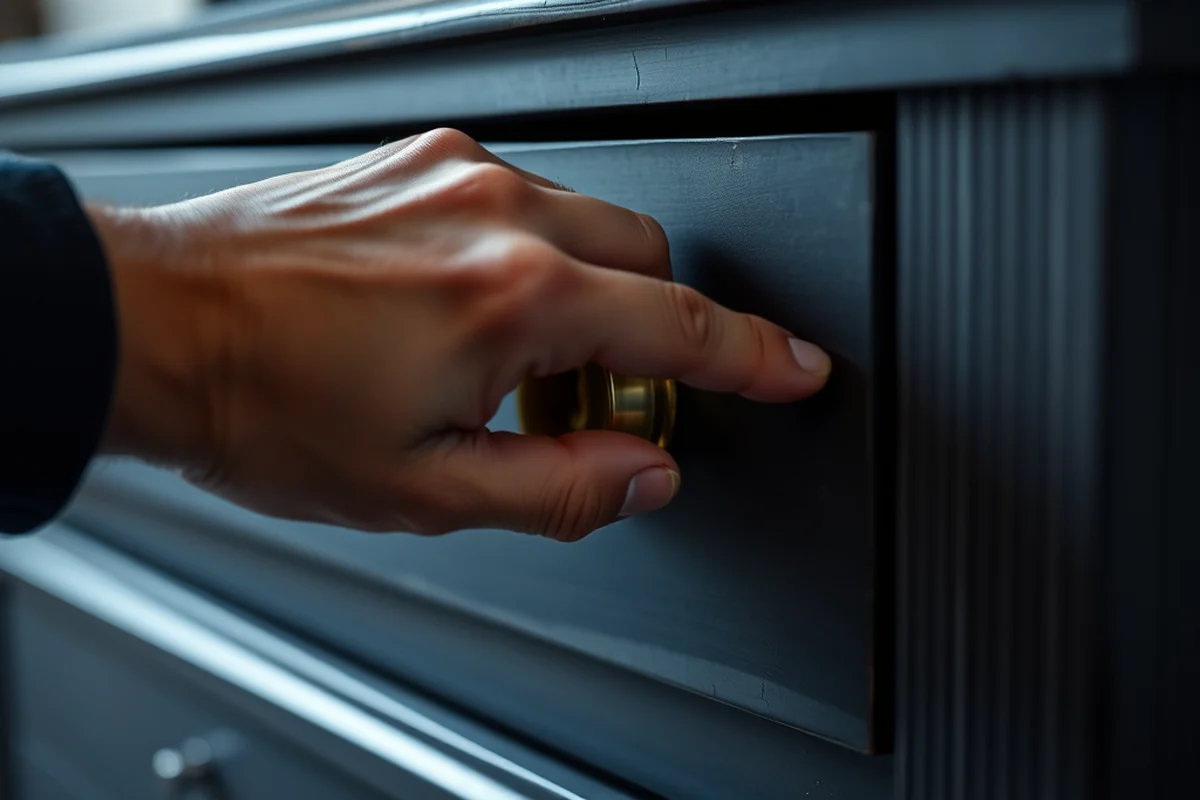
I’ve found that a few basic tools — a jigsaw, a router, and a screwdriver — are the most useful for MDF projects. The jigsaw is perfect for cutting curves and intricate shapes, while the router helps with edges and joints. I always use a router bit with a bearing guide to ensure clean, even cuts.
For assembly, a drill with a screwdriver bit is a must. I also keep a set of clamps on hand — they’re indispensable for holding pieces together while glue dries or screws are tightened. A tape measure and square are also essential for precise measurements and alignment.
When I first started, I didn’t have a router and tried to use a hand saw instead, but the results were uneven and time-consuming. Investing in a router made a world of difference in both speed and quality.
A router and jigsaw can turn simple MDF into a masterpiece.
Related: Diy furniture with mdf
Related: Diy mdf wall panelling
Related: Mdf furniture safety
Related: Can You Make Mdf Smooth
Related: Is Mdf Furniture Harmful
Related: What Is Better Than Mdf
Related: Diy Furniture Design
Cutting and Joining MDF Like a Pro
I use a jigsaw for most of my cuts, but for straight edges, a table saw is faster and more accurate. When cutting MDF, I always use a fine-toothed blade to avoid splintering. I also apply a thin layer of masking tape over the cut line — it helps keep the edges smooth and prevents the blade from bouncing.
Joining pieces of MDF can be done with wood glue, screws, or both. I prefer using a combination of wood glue and screws for a strong, durable joint. For corners, I use a corner brace to add extra support. I’ve learned that applying glue to both surfaces and clamping them together for at least 30 minutes ensures a tight bond.[2]
One mistake I made early on was not using enough glue. The joint came apart after a few weeks, and I had to redo the entire section. Now, I always apply a generous amount of glue and take my time to ensure everything is aligned properly.
Taping the cut line on MDF prevents splintering and helps keep the edges clean and even.
“There’s something deeply satisfying about the scent of sawdust in the air, the rhythmic sound of the drill, and the way a finished piece of…”— DIY Furniture with Mdf editors
Related: Furniture mdf material
Related: Why is mdf furniture so expensive
Related: Diy mdf shaker cabinet doors
Sanding and Finishing MDF for a Professional Look
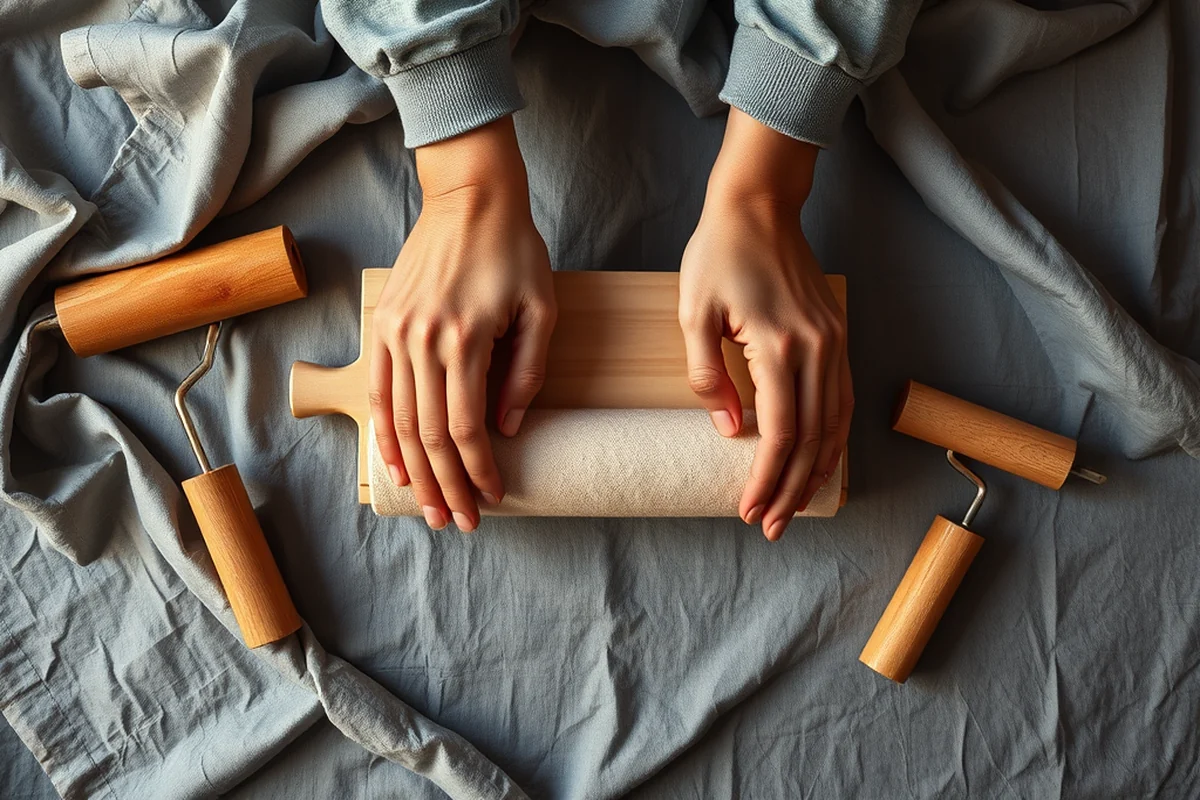
Sanding MDF is crucial to remove any rough spots and create a smooth surface for painting or staining. I start with a coarse grit sandpaper (around 80–100) and work my way up to a finer grit (220) for the final touch. I always sand in the direction of the grain — even though MDF doesn’t have a natural grain, it still feels better when sanded this way.[3]
After sanding, I wipe the surface with a damp cloth to remove dust and debris. Then, I apply a primer — this step is especially important for MDF, as it helps the paint adhere better and prevents the board from swelling. I’ve found that using a water-based primer works best for MDF.
Once the primer is dry, I apply two to three coats of paint. I always let each coat dry completely before applying the next one. I’ve also experimented with stains and varnishes, and I found that a clear polyurethane finish adds a beautiful, protective layer.
Related: Diy mdf cabinet doors
Related: Diy mdf accent wall
Related: Diy mdf board and batten
Designing Your MDF Furniture: From Sketch to Reality
I always start with a sketch — it doesn’t have to be perfect, but it should include all the key measurements and features. I use graph paper or a digital design tool to plan the layout and make sure everything fits together. I’ve found that a sketch helps me visualize the final piece and spot any potential issues before I start cutting.
When designing, I consider the function of the furniture. For example, a coffee table needs to be sturdy, while a bookshelf needs to have proper spacing between shelves. I also think about the size of the room and how the furniture will fit into the space. I’ve made a few mistakes by building something too large for the area — a lesson I’ve learned the hard way.
I recommend building a small-scale model or using cardboard to create a mock-up before cutting any MDF. It helps you see how the pieces will fit together and allows you to make adjustments before committing to the final design.[4]
Related: Furniture mdf
Related: Furniture from mdf
Related: Mdf furniture cornice
Adding Personality with Paint and Stains
I’ve tried everything from bold colors to natural stains, and each one has given my furniture a different character. I love using chalk paint for a rustic look, but I’ve also had success with water-based paints and wood stains. I always test the color on a small section before painting the entire piece — this helps me avoid any surprises.
When using chalk paint, I apply a few coats and let each one dry completely. I’ve found that using a wax or clear coat on top helps protect the surface from scratches and moisture. For a more modern look, I’ve used metallic paints and added some texture with a sponge for a unique effect.
One thing I’ve learned is that MDF absorbs paint differently than wood. I always apply a primer before painting to ensure even coverage and prevent the paint from soaking in too quickly. I also take my time — rushing through the painting process can lead to uneven results.
A little paint goes a long way — and it can completely change the look of your MDF furniture.
Related: Diy mdf cupboard doors
Related: Diy mdf board
Maintaining and Caring for Your MDF Furniture
Once your MDF furniture is built and finished, it’s important to care for it properly. I wipe it down with a soft cloth and mild soap to remove any dirt or spills. I avoid using harsh chemicals or abrasive cleaners, as they can damage the surface. For painted furniture, I use a microfiber cloth to avoid scratches.
If your MDF furniture is exposed to moisture, I recommend applying a water-resistant sealant — this helps prevent swelling and warping. I’ve used a clear polyurethane spray, which is easy to apply and dries quickly. I always test the sealant on a small area first to make sure it works well with the paint or stain.
I’ve also learned that MDF furniture should be kept away from direct sunlight and heat sources. Prolonged exposure can cause the finish to fade or crack. I place my MDF furniture in areas with moderate light and temperature to preserve its appearance over time.
💰 Budget Build
Create a simple, functional table or shelf using basic tools and affordable materials.
⏰ Weekend Version
Build a small, quick project like a side table or shelf in just a few hours.
✨ Upgraded Finish
Add a high-end finish, such as wood stain or metallic paint, to elevate the look of your furniture.
🛋️ Small-Space Adaptation
Design compact furniture that fits perfectly into a small living room or bedroom.
🔒 Rental-Safe Option
Use removable, non-damaging finishes and avoid permanent modifications for rental properties.
| The mistake | Why it happens | The fix |
|---|---|---|
| Using the wrong type of MDF | Using thin or low-quality MDF can lead to warping and weak joints, especially under weight or moisture. | Choose high-density, moisture-resistant MDF with a thickness of at least 18mm for furniture projects. |
| Skipping the primer step | Painting MDF without a primer can result in poor adhesion and uneven coverage, leading to peeling or flaking. | Always apply a water-based primer before painting to ensure a smooth, long-lasting finish. |
| Ignoring proper sanding | Failing to sand MDF thoroughly can result in a rough or uneven surface, even after painting. | Sanded MDF with a fine grit (220) will yield a professional, smooth finish. |
| Not securing the joints properly | Weak joints can cause the furniture to wobble or break after a short time. | Always use wood glue and screws together for the strongest, most stable joints. |
Mdf Furniture Diy
Common Questions
Can I use MDF outside?
How do I attach MDF to a wall?
Is MDF safe to use with wood glue?
What kind of paint works best on MDF?
Cite this guide
DIY Furniture with Mdf (2026). Mdf Furniture Diy. https://mdfcreate.com/mdf-furniture-diy/
Feel free to cite or share this guide.
References
- Production and characterization of MDF using eucalyptus fibers and ... (academia.edu)
- Publications - Carl Eckelman - Purdue College of Agriculture (ag.purdue.edu)
- Effects of surface lamination process parameters on medium density ... (bioresources.cnr.ncsu.edu)
- Fate of Formaldehyde in MDF Sawdust during MSW Composting (deq.nc.gov)