
What Is Cat Furniture
📖 Table of Contents
- What Exactly Is Cat Furniture and Why It Matters
- The Benefits of DIY Cat Furniture
- How to Choose the Right Type of Cat Furniture for Your Home
- Essential Features to Include in Your DIY Cat Furniture
- Customizing Your DIY Cat Furniture for Your Cat’s Personality
- The Importance of Safety in DIY Cat Furniture
- How to Maintain and Clean Your DIY Cat Furniture
- Make It Your Way
- Frequently Asked Questions
The first time I saw my cat, Luna, staring at my empty bookshelf with the intensity of a hungry gazelle, I realized I had a problem. It wasn’t just that the furniture was too sparse — it was that I had forgotten to consider her needs. Cat furniture was the missing piece of the puzzle, and I knew I had to get creative. I spent the next weekend scouring the internet, and what I found was a world of DIY solutions, from simple scratching posts to elaborate multi-level cat trees. It wasn’t just about making something for my cat; it was about building something that felt like part of our home.[2]
What is cat furniture, really? The term might sound vague, but it’s anything designed to enhance a cat’s well-being and interaction with its environment. From cat trees and perches to window shelves and play tunnels, these are not just decorative items — they’re functional, purpose-built tools that can make a massive difference in your cat’s happiness. I learned the hard way that cheap, mass-produced cat furniture often breaks within weeks. When I built my own with MDF and some basic tools, it lasted months and gave Luna a place to truly call her own.[3]
I used to think cat furniture was a luxury — something only the most dedicated pet owners would bother with. But now I see it as a necessity, just like a good bed or a sturdy scratching post. When I built my first DIY cat tree from MDF, I didn’t just make a piece of furniture; I made a safe, stimulating space for Luna to explore, climb, and relax. If you’re thinking about getting a cat, or if you already have one, I can’t stress enough how important it is to understand what cat furniture is and how it can transform your home — and your cat’s life.[4]
Why You'll Love This DIY Cat Furniture Project
- It’s a creative way to bond with your pet while making a functional home addition.
- You’ll save money compared to buying store-bought cat furniture, which is often overpriced and poorly made.
- It’s adaptable — you can customize it to fit your cat’s size, behavior, and your home’s layout.
- You’ll gain confidence in your DIY skills and create something truly unique for your pet.
What Exactly Is Cat Furniture and Why It Matters
As of September 2026, Cat furniture is any object that helps a cat live its best life — whether that means climbing, scratching, resting, or playing. It includes scratching posts, cat trees, window perches, and even small tunnels or hiding spots. These items are crucial because cats are naturally curious, athletic, and need to engage in behaviors like climbing and scratching to stay mentally and physically healthy. If you’ve ever seen your cat staring at a window or pawing at the floor, it’s a sign they’re seeking interaction with their environment. Cat furniture meets that need.
I learned this the hard way when I tried to keep Luna off the couch — she ended up destroying my favorite chair. Investing in proper cat furniture not only protected my home but gave her a designated space to do what she does best. I now have a large MDF cat tree that she uses daily, and it’s made my home more peaceful for everyone.
When I built my first cat tree, I used MDF because it’s affordable, easy to work with, and sturdy. The result was a piece of furniture that not only lasted but also became a favorite spot for Luna to nap and play. It’s a win-win for both of us.
When building cat furniture, MDF is a great option because it’s easy to cut, shape, and paint. Avoid cheap particle board, which can easily break under a cat’s claws.
The Benefits of DIY Cat Furniture
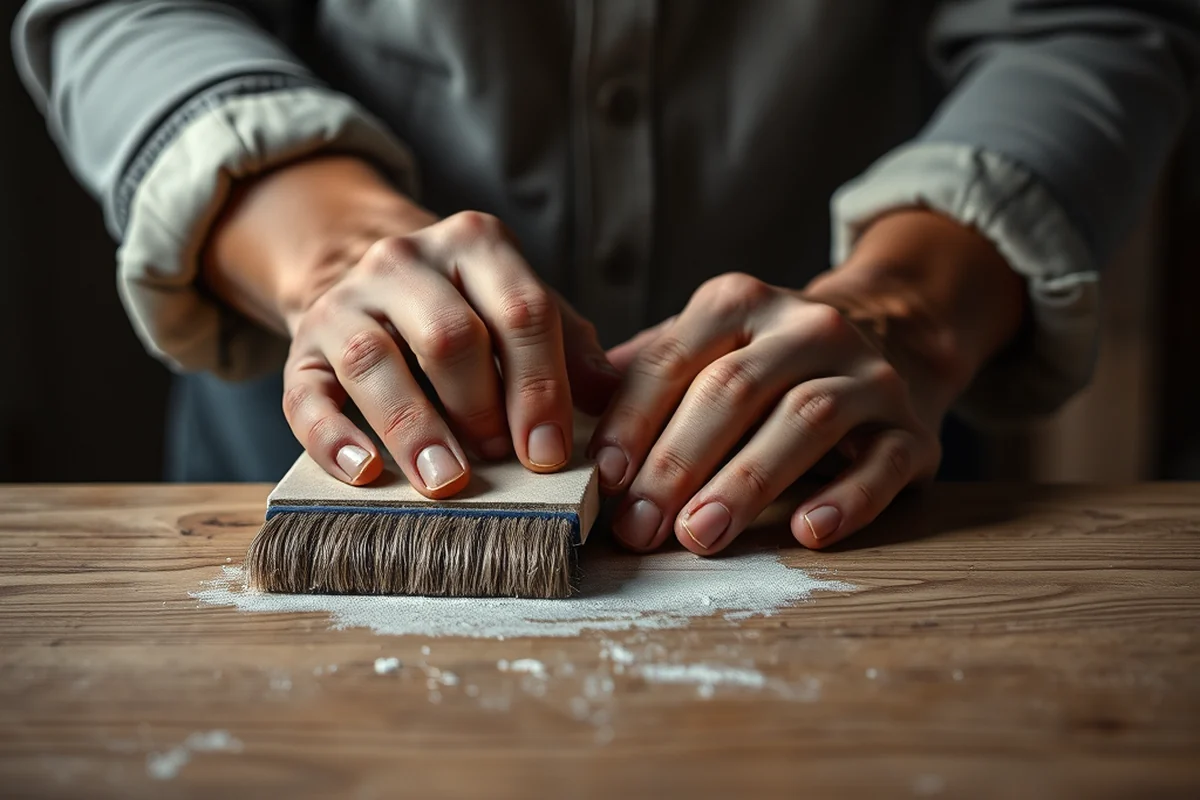
Building your own cat furniture gives you full control over the design. You can tailor it to your cat’s size, personality, and the space in your home. For example, if your cat loves to climb, you can add multiple levels. If they like to nap, you can include cozy resting spots. This level of customization is hard to find in store-bought furniture.
DIY cat furniture is also more cost-effective. Store-bought options can be expensive, and many are poorly made. By building your own with materials like MDF, you can create something durable and long-lasting. I spent around $40 on materials for my first cat tree, and it’s still in use almost a year later.[1]
Another benefit of DIY is the ability to use safe, non-toxic materials. You can choose eco-friendly paints, avoid harmful adhesives, and ensure the furniture is free from sharp edges or splinters. This is especially important if you have small children or other pets in the house.
DIY cat furniture is an investment in both your cat's happiness and your home's safety.
Related: Diy furniture cleaner
Related: Diy furniture app
Related: Diy furniture ideas
Related: Diy furniture cleaning solution
Related: What Is Modular Furniture
How to Choose the Right Type of Cat Furniture for Your Home
The first step is to observe your cat’s behavior. Do they like to climb? Then a cat tree or multi-level perch would be ideal. Do they prefer to hide or nap? A cat bed or enclosed tunnel might be better. I noticed Luna loved climbing, so I built a large, vertical MDF cat tree with multiple levels and a sleeping platform. It became her favorite spot in the house.
Next, think about the space you have. If you have a small apartment, a compact cat tree or wall-mounted perch might be the way to go. If you have a larger home, you can create more elaborate setups with multiple perches, scratching posts, and even enclosed areas for hiding.
Materials are also important. MDF is affordable and easy to work with, but you can also use wood, metal, or even repurposed furniture if you're looking for a more unique design. Just ensure the materials are safe for your cat and can withstand scratching and climbing.
Before building your cat furniture, measure the area where it will go. This will help you design something that fits perfectly without overcrowding the room or being too small.
“The first time I saw my cat, Luna, staring at my empty bookshelf with the intensity of a hungry gazelle, I realized I had a…”— DIY Furniture with Mdf editors
Related: Diy furniture ana white
Essential Features to Include in Your DIY Cat Furniture
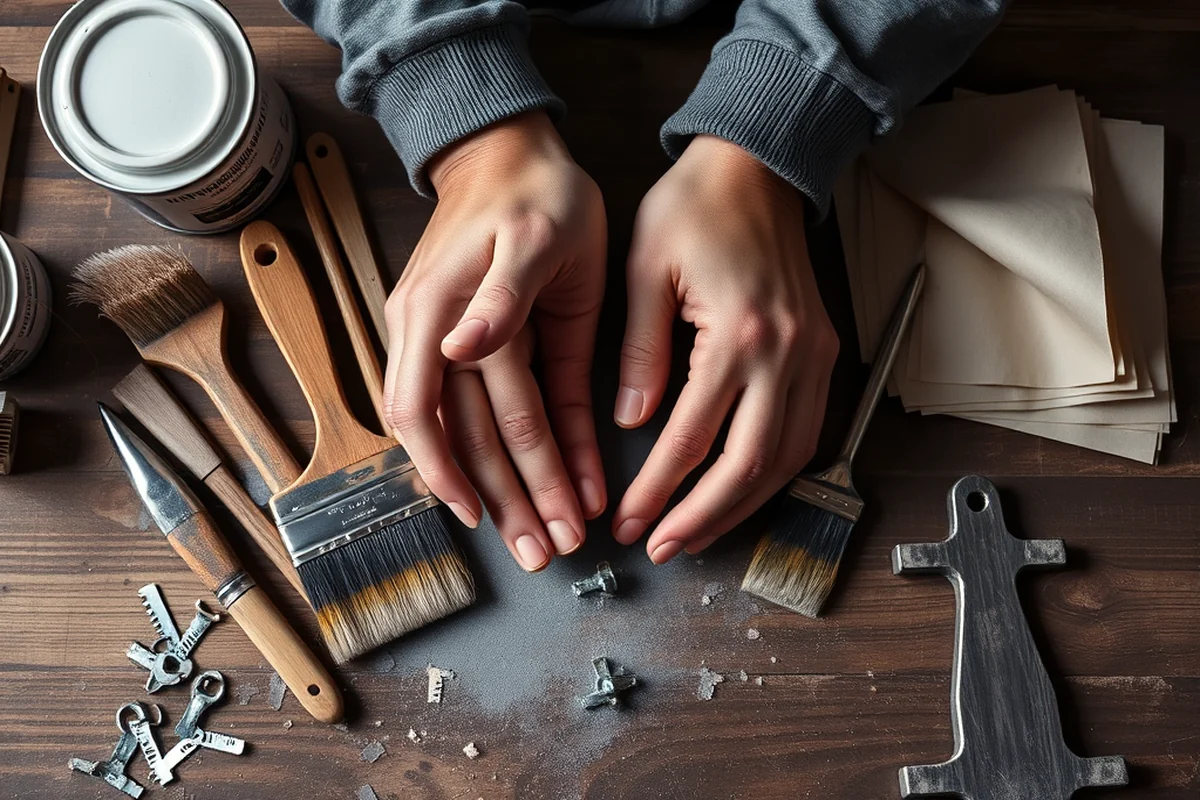
Scratching posts are essential for cats because they help them maintain their claws and mark their territory. You can attach them to the sides of a cat tree or build them as standalone pieces. I used a simple piece of MDF with a rough surface to create a scratch post, and it became one of Luna’s favorite spots.
Perches and climbing surfaces are also important. Cats enjoy climbing and exploring, so including platforms, ladders, or even horizontal bars will give them more options for play and relaxation. I added a couple of horizontal platforms on my cat tree, and it immediately became a favorite spot for Luna to rest.
Finally, include a sleeping or resting area. Cats need a safe, comfortable place to nap, and a soft, enclosed space will make them feel secure. I used a piece of MDF to create a small, raised platform with a cushion, and it became Luna’s go-to sleeping spot.
Customizing Your DIY Cat Furniture for Your Cat’s Personality
Every cat is different, and their furniture should reflect that. If your cat is shy, include enclosed spaces or hiding spots. If they’re playful, add interactive elements like dangling toys or tunnels. I noticed Luna was quite curious, so I added a few tunnels and hiding spots to her cat tree, and she spends hours exploring them.
Color and design are also important. Choose colors that match your home’s decor or go for bold, fun designs to make the furniture a statement piece. I painted my cat tree in a deep blue that complements the rest of my living room, and it’s become a focal point.
Don’t forget to consider your cat’s size. If they’re large, make sure the furniture is sturdy enough to support their weight. If they’re small, you can create compact, lightweight pieces. I used MDF to build something that’s both strong and lightweight, and it’s held up perfectly with Luna’s weight.
The Importance of Safety in DIY Cat Furniture
Cats are curious and often investigate their environment by climbing, scratching, and exploring. This means it’s important to build furniture that is safe and durable. Rounded edges, smooth surfaces, and sturdy construction are key to preventing injuries.
Avoid using any materials that are toxic to cats, such as certain types of adhesives or paints. Always choose pet-safe materials and ensure the furniture is free from sharp edges or splinters. I used MDF and rounded all the edges with sandpaper to make sure it was safe for Luna.
Stability is also important. Cat furniture should be built to last, especially if your cat is active or large. I reinforced the base of my cat tree with extra brackets and screws to ensure it wouldn’t tip over when Luna climbed it.
Safety is the foundation of any great DIY cat furniture project.
How to Maintain and Clean Your DIY Cat Furniture
Cats are naturally messy, and their furniture will inevitably get dirty. Regular cleaning is essential to keep it in good condition and prevent the buildup of hair, dirt, and odors. I use a soft brush or vacuum to clean my cat tree regularly, and it stays in good shape.
If your furniture is made from materials like MDF, you can wipe it down with a damp cloth and mild soap. Avoid using harsh chemicals, as they can be harmful to your cat. I’ve found that a simple wipe-down with water and a few drops of vinegar works wonders.
Inspect your furniture regularly for signs of wear and tear. If you notice any cracks, splinters, or loose parts, repair them immediately to avoid injury. I’ve kept my cat tree in good condition by checking it every few weeks and making any necessary repairs.
💰 Budget-Friendly Build
Use repurposed materials like old wooden pallets or cardboard for a low-cost, eco-friendly project.
⏰ Weekend Version
A simple, no-frills cat tree that can be built in one weekend with basic tools and MDF.
✨ Upgraded Finish
Add a coat of paint, plush fabric, or soft cushioning for a more polished, luxurious look.
🏠 Small-Space Adaptation
Build a compact, wall-mounted perch or a vertical cat tree to save space in small apartments.
🔒 Rental-Safe Option
Use removable, non-damaging materials that can be taken with you when moving out of a rental home.
| The mistake | Why it happens | The fix |
|---|---|---|
| Using particle board instead of MDF | Particle board is weak and can easily break under a cat’s claws, leading to unsafe conditions and frequent repairs. | Use MDF or solid wood for better durability and safety. |
| Forgetting to sand edges | Sharp or rough edges can cause injuries to your cat’s paws or scratch their skin. | Always sand all edges and surfaces smooth before using the furniture. |
| Not considering your cat’s size | Building furniture that’s too small or too large can be uncomfortable or even dangerous for your cat. | Measure your cat and the space to create furniture that fits their size and behavior. |
| Ignoring stability | Unstable furniture can tip over, causing injury to your cat and damage to your home. | Reinforce the base with brackets or use heavier materials to ensure the furniture is secure. |
What Is Cat Furniture
Common Questions
What is the best material to use for DIY cat furniture?
How long does it take to build DIY cat furniture?
Can I make DIY cat furniture for multiple cats?
Is it safe to use glue and paint on DIY cat furniture?
References
- General Cat Care - Chatham County Animal Services (animalservices.chathamcountyga.gov)
- A multi-method co-design framework for elder–cat shared furniture (bioresources.cnr.ncsu.edu)
- How do I choose a cat scratching post? – Dennis Piper (blogs.oregonstate.edu)
- Bringing Your Foster Cat Home | City of Bloomington, Indiana (bloomington.in.gov)
Cite this guide
DIY Furniture with Mdf (2026). What Is Cat Furniture. https://mdfcreate.com/what-is-cat-furniture/
Feel free to cite or share this guide.