
Diy Furniture Mdf
📖 Table of Contents
- Why MDF is the Perfect Choice for DIY Furniture
- The Benefits of Using MDF for DIY Projects
- How to Choose the Right MDF for Your Project
- The Tools You'll Need for Your MDF Furniture Project
- Step-by-Step Guide to Building Your First MDF Furniture Piece
- Adding the Finishing Touches to Your MDF Furniture
- Tips for Making Your MDF Furniture Look Professional
- Make It Your Way
- Frequently Asked Questions
I remember the first time I built a side table out of MDF — I thought I was doing something wrong because the wood felt so smooth and unassuming. But within a few hours, I had a sturdy, beautiful table that I still use every day. MDF, or Medium-Density Fiberboard, is a game-changer for DIY furniture because it's affordable, easy to cut, and doesn't warp like traditional wood. Whether you're new to woodworking or just looking for a simple way to refresh your home, MDF is the material that will surprise you.
What drew me to MDF was the fact that it doesn't require the same level of skill as working with solid wood or veneer. I've worked with both, and MDF feels like the perfect middle ground — it's not too heavy, not too light, and it takes sanding and painting like a dream. I’ve built everything from shelves and cabinets to full-sized bookcases using MDF, and each project has taught me a new trick or two. It's not just about the material; it's about the experience of building something that's entirely yours.
If you're looking for a way to make your home feel more personalized without breaking the bank, MDF is the way to go. I've spent countless weekends in my garage, cutting, drilling, and painting MDF pieces that now sit proudly in my living room and bedroom. The best part is, with just a few basic tools and some patience, you can do the same. MDF isn’t just a material — it’s a doorway to creativity and craftsmanship, and I’m here to show you how to make the most of it.
Why You'll Love This DIY Furniture MDF Project
- Affordable and accessible for beginners and seasoned DIYers alike
- Lightweight yet durable when properly reinforced
- Easy to paint and customize for a unique look
- Quick to assemble with minimal tools and time
Why MDF is the Perfect Choice for DIY Furniture
As of August 2026, MDF, or Medium-Density Fiberboard, is made from wood fibers and synthetic resins, which gives it a dense, uniform structure. Unlike solid wood, MDF doesn’t have knots or grain, which makes it easier to cut and shape. I remember the first time I used a jigsaw on MDF — it cut through cleanly without splintering, which was a huge relief. The only downside is that MDF isn’t as strong as solid wood, but with the right reinforcement, like adding a wood frame or using brackets, it can be made just as sturdy.[1]
One of the best parts of working with MDF is that it’s incredibly affordable. I’ve bought sheets of MDF for as little as $12 per sheet, which is a fraction of the cost of solid wood. And because it’s so smooth, you can paint or stain it without worrying about the grain absorbing the color unevenly. I once painted a set of shelves with a chalk paint, and they looked just like the ones I saw in a furniture store — all for under $50 total.[2]
MDF is also easy to work with even if you have no experience. I’ve built several pieces using just a circular saw, a drill, and a sanding block. It doesn’t require any special skills or tools, which is perfect for beginners. The only thing I recommend is wearing a mask when cutting, as the dust can be quite fine and irritating.[3]
Instead of using a jigsaw, try a router for a cleaner, more professional-looking edge. I used mine on a bookshelf, and it made the finished product look like it was made in a factory.
Part of our Furniture board guide.
The Benefits of Using MDF for DIY Projects
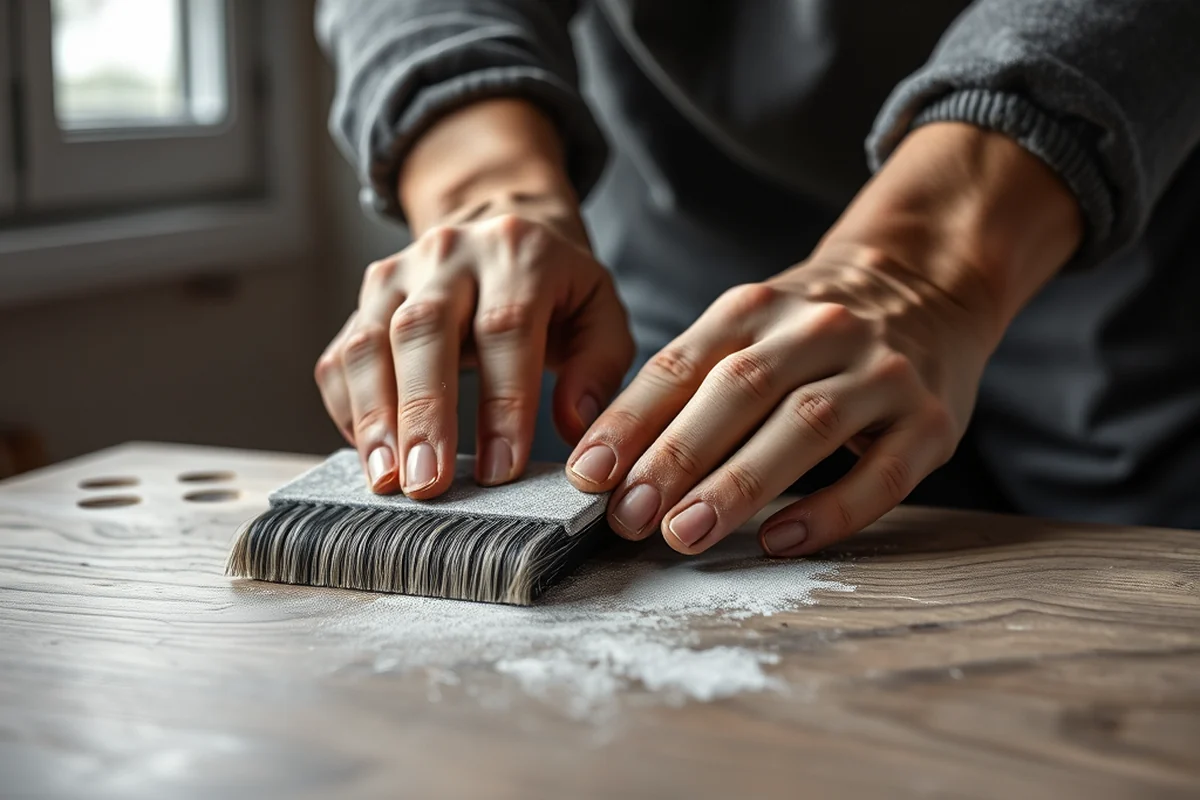
One of the biggest benefits of using MDF is that it’s incredibly affordable. A sheet of 3/4-inch MDF can be bought for around $15, and that’s enough to make a few pieces of furniture. I built a whole set of shelves for my living room using just a few sheets, and it came out to under $50 total. That’s a fraction of what I would have paid if I had bought ready-made shelves.[4]
Another benefit is that MDF is very easy to paint. Unlike solid wood, which can be tricky to paint evenly, MDF absorbs paint uniformly. I painted a set of drawers in a bold color, and the result was exactly what I was going for — no patchy spots or uneven texture. Plus, because MDF is so smooth, it doesn’t require any sanding before painting, which saves time and effort.
MDF is also lightweight, which makes it easier to move and assemble. I built a coffee table using MDF, and it was so light that I could move it across the room with one hand. This makes it ideal for people who are building furniture for small spaces or who need to move things around frequently.
MDF might not be the most glamorous material, but it’s one of the most practical.
Related: Mdf furniture feet
Related: Diy mdf drawers
Related: Diy Furniture Tips
Related: Diy Mdf Baseboard
Related: Diy Furniture Ana White
Related: "Mathis Brothers Furniture"
How to Choose the Right MDF for Your Project
When choosing MDF for your project, the thickness is the most important factor. For shelves and tables, I recommend using 3/4-inch MDF, as it’s thick enough to hold weight without sagging. I once used 1/2-inch MDF for a set of shelves, and after a few weeks, they started to sag in the middle. That was a lesson in patience — I now only use 3/4-inch for anything that will hold weight.[5]
Another thing to consider is the quality of the MDF. Look for sheets with a smooth, even surface and minimal warping. I’ve bought sheets that were slightly warped, and they made my project harder to assemble. I now buy from a local hardware store that sells only high-quality MDF, and it makes a big difference in the final result.
Also, think about the size of the sheets you need. MDF comes in standard sizes, like 4x8 feet, but you can also find smaller sheets for smaller projects. I’ve used smaller sheets for my kitchen cabinets, and they fit perfectly without needing to be cut. It's always better to measure twice and cut once — I’ve learned that the hard way.
Before purchasing MDF, always inspect the edges for any signs of warping or bowing. I once bought a sheet that was slightly warped, and it made my project harder to assemble. Always check the edges before buying.
“I remember the first time I built a side table out of MDF — I thought I was doing something wrong because the wood felt…”— DIY Furniture with Mdf editors
The Tools You'll Need for Your MDF Furniture Project
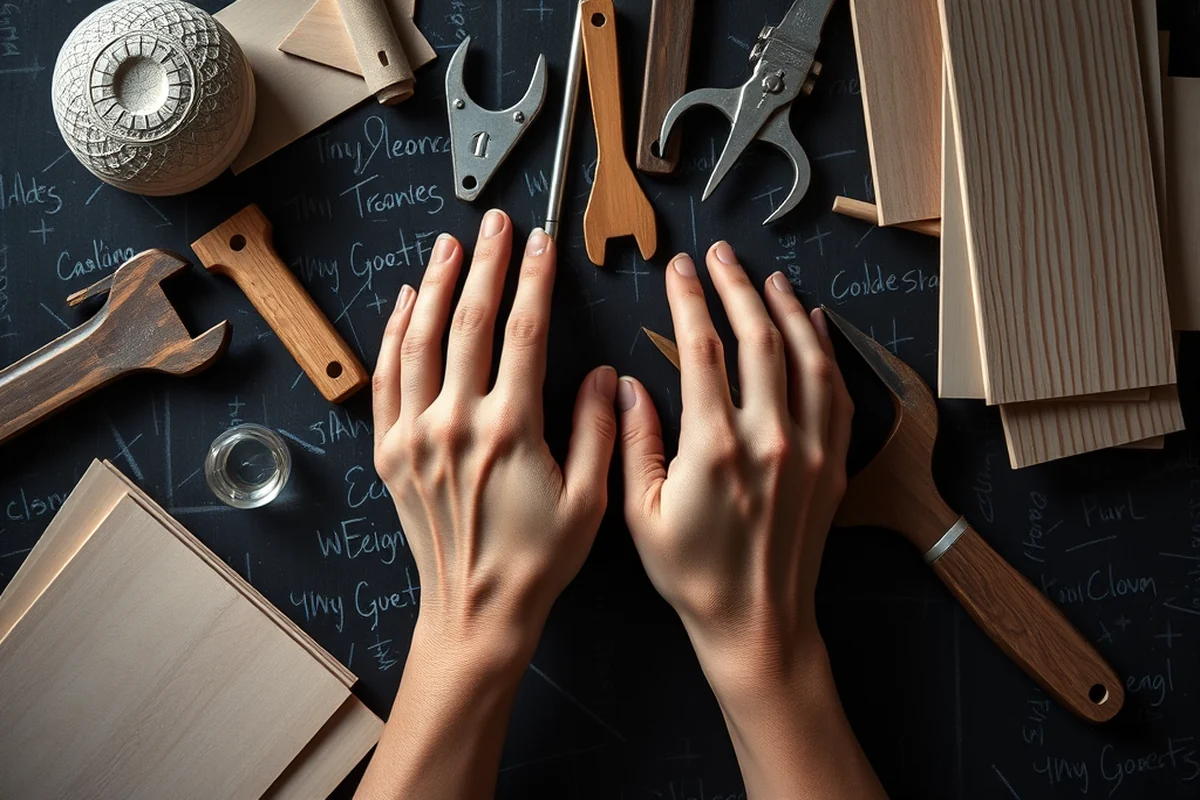
The most important tools you’ll need are a circular saw or jigsaw for cutting the MDF, a drill for making holes, and a sanding block for smoothing the edges. I used a circular saw on my first MDF project, and it worked like a charm. It made straight cuts quickly and accurately, which was a huge time-saver.
Another tool that’s helpful is a router, which can be used to make clean, professional-looking edges. I used mine on a set of shelves, and the result was so smooth that I didn’t need to sand them at all. It saved me a lot of time and effort.
You’ll also need a few basic fasteners, like screws and wood glue. I use screws for most of my projects because they’re strong and easy to use. I’ve also used wood glue on some of my shelves, and it’s worked well for holding the pieces together.
Step-by-Step Guide to Building Your First MDF Furniture Piece
The first step is to measure and cut the MDF to the size you need. I always use a tape measure and a pencil to mark the pieces before cutting. It’s important to double-check your measurements to make sure everything fits together correctly. I once cut a piece too short, and it messed up my entire project.
Next, you’ll need to sand the edges of the MDF to make them smooth. I use a sanding block for this, and it works really well. It takes only a few minutes, and it makes a big difference in the final look of the piece. After sanding, I wipe the pieces down with a damp cloth to remove any dust.
Once the pieces are cut and sanded, it’s time to assemble them. I use wood glue and screws for most of my projects, and they work really well. I’ve found that using a clamp helps keep the pieces aligned while the glue dries. It’s a small step, but it makes a big difference in the final result.
Adding the Finishing Touches to Your MDF Furniture
Once your MDF furniture is assembled, it’s time to paint or stain it. I’ve used both chalk paint and wood stain on my projects, and both have worked well. I’ve found that chalk paint is easier to apply and dries faster, which is a big plus for someone who’s in a rush.
After painting, it’s important to apply a clear coat to protect the finish. I use a water-based polyurethane for this, and it works really well. It adds a layer of protection that makes the piece more durable. I’ve found that this is especially important for furniture that will be used frequently, like a coffee table or a shelf.
Finally, you can add some decorative elements to your MDF furniture, like handles or knobs. I’ve used brass handles on some of my shelves, and they add a nice touch of style. It’s a small detail, but it can make a big difference in the overall look of the piece.
A little paint and a clear coat can turn a basic MDF piece into something truly special.
Tips for Making Your MDF Furniture Look Professional
One of the best tips is to use a router to create clean, professional-looking edges. I’ve used mine on a few of my projects, and the results were amazing. It makes the edges smooth and even, which gives the finished piece a more polished look.
Another tip is to use a quality paint or stain. I’ve found that using a high-quality product makes a big difference in the final look of the piece. I’ve used both chalk paint and wood stain, and both have worked well. I’ve found that using a high-quality product makes the color look more vibrant and even.
Finally, it’s important to take your time and be patient. MDF is a forgiving material, but it still requires some attention to detail. I’ve learned that taking the time to measure and cut carefully makes a big difference in the final result. It’s the small details that make a big difference in the end.
📦 Budget Build: Quick MDF Shelves
Create a simple set of shelves for your living room or bedroom using just a few sheets of MDF and basic tools.
🛋️ Weekend Version: MDF Side Table
Build a small side table in just a few hours using MDF, a circular saw, and some wood glue.
🎨 Upgraded Finish: Painted MDF Cabinet
Take your MDF skills to the next level by building a painted cabinet with a professional finish and decorative hardware.
🪑 Small-Space Adaptation: MDF Floating Shelf
Create a floating shelf using MDF that’s perfect for a small apartment or studio space.
📖 Rental-Safe Option: MDF Bookshelf
Build a sturdy bookshelf using MDF that’s easy to disassemble and move if you’re renting your home.
| The mistake | Why it happens | The fix |
|---|---|---|
| Using the wrong thickness of MDF for the project | Using a thinner sheet of MDF can lead to sagging or breaking over time, especially if the furniture is used for heavy items. | Always use 3/4-inch MDF for any furniture that will hold weight, and 1/2-inch for lightweight or decorative pieces. |
| Not reinforcing the structure properly | MDF is not as strong as solid wood, so failing to reinforce the structure can lead to weak joints or collapse over time. | Use brackets, corner braces, or wood glue to reinforce the structure and ensure it’s sturdy. |
| Not sanding the edges properly | Not sanding the edges of MDF can lead to splintering or uneven finishes, which can make the furniture look unprofessional. | Always sand the edges of MDF before painting or assembling to create a smooth, even surface. |
| Not applying a clear coat after painting | Failing to apply a clear coat can make the paint chip or flake over time, especially if the furniture is used frequently. | Always apply a water-based polyurethane or clear coat after painting to protect the finish and make it more durable. |
Diy Furniture Mdf
Common Questions
Can I use MDF for outdoor furniture?
How do I make sure my MDF furniture is sturdy?
What’s the best way to paint MDF furniture?
Can I use MDF for heavy furniture like a bed frame?
Cite this guide
DIY Furniture with Mdf (2026). Diy Furniture Mdf. https://mdfcreate.com/diy-furniture-mdf/
Feel free to cite or share this guide.
References
- Surface roughness and processing time of a medium density ... (bioresources.cnr.ncsu.edu)
- Fate of Formaldehyde in MDF Sawdust during MSW Composting (deq.nc.gov)
- You Ever Wanted to Know About Classifying Furniture: Heading 9403 (dhs.gov)
- Part of the Furniture: Envisioning Furniture Futures Through Qualitative Research and Design (dspace.mit.edu)
- Frequent Questions for Consumers about the Formaldehyde ... - EPA (epa.gov)